
The Science Behind Pilates and Its Impact on Spinal Alignment
Pilates is a method of exercise that emphasizes core strength, flexibility, and overall body awareness. Grounded in the principles of body alignment, it plays a crucial role in enhancing postural health. One of the fundamental theories of Pilates is that it centers on strengthening the deep abdominal muscles, which support the spine. This alignment, alongside a balanced body awareness gained through precise movements, aims to reduce discomfort or injuries in the back and surrounding tissues. Adequate posture is vital for a healthy lifestyle, especially considering the sedentary nature of many modern jobs. It seeks to help individuals develop an understanding of their body dynamics to maintain an optimal spinal alignment. By consistently practicing Pilates, individuals often experience improved flexibility and strength, directly impacting their posture. A well-aligned spine is essential for effective movement patterns in daily activities. It also helps to alleviate strain on surrounding ligaments and tendons. Through controlled breathing and focused movement, Pilates encourages more stable alignment and muscular balance, promoting overall health and well-being.
Understanding the anatomy involved in effective posture is essential when discussing the benefits of Pilates. The spine consists of various segments, including vertebrae, intervertebral discs, ligaments, and muscles, all working harmoniously. When performing Pilates exercises, the body engages not only the primary muscles but also the stabilizing ones surrounding the spine, which are crucial for maintaining alignment. Practicing increased awareness of these muscle groups results in better support for the spine. This engagement stabilizes the pelvis and spine, reinforcing a neutral alignment. This alignment minimizes tension in the back and leads to the alignment of other bodily structures. Furthermore, Pilates helps improve the strength and flexibility of the surrounding muscles, which support the spine’s natural curvature. This balance enhances daily function, allowing the body to perform tasks efficiently and comfortably. Individuals often report less fatigue and discomfort when incorporating Pilates into their routines. Enhanced muscular control allows for greater movement freedom. Finally, regular practice builds endurance in the core muscles, providing ongoing support beneficial for postural integrity.
The Importance of Core Strength in Posture
The core comprises a complex group of muscles, providing stability and support for the entire body. As the core stabilizes the pelvis and spine, it plays a significant role in achieving and maintaining good posture. In Pilates, focus is placed on engaging the core throughout various movements to enhance strength, control, and endurance. Sculpting the core muscles improves alignment by ensuring the body can support itself during movement. The exercises encourage individuals to think about their body’s positioning, fostering an understanding of how different muscle groups work together. Emphasizing the connection between the breath and movement, Pilates allows individuals to cultivate a balanced body and mind. Furthermore, the controlled nature of the practice reinforces stability, reducing the likelihood of injuries. By strengthening the core, individuals can counteract the negative effects of prolonged sitting and poor habits. Developing core strength reduces the strain on the spine and promotes an optimal posture, minimizing discomfort. Practitioners often experience increased ease in functional movements that contribute to everyday actions. Core strength supports better athletic performance and enhances overall quality of life.
Additionally, improving one’s posture through Pilates can lead to significant benefits for both physical and mental health. Posture influences self-awareness, confidence, and overall mood. When alignment is effective, individuals often report feeling more confident, which can positively impact their professional and personal lives. Moreover, good posture encourages better circulation and respiratory patterns. The respiratory system benefits, as proper spinal alignment allows the diaphragm to function effectively, facilitating deeper breathing. With enhanced oxygen exchange, the body experiences better overall function, leading to improved focus and productivity. Pilates encourages mindfulness and a connection to the body, creating an environment where individuals feel more in tune with themselves. This mindfulness can have profound effects on mental well-being, promoting relaxation amidst a busy lifestyle. Additionally, reduced strain from poor posture often contributes to decreased tension and stress levels. By addressing postural habits and building core strength, Pilates presents a holistic approach to health. As individuals become more accustomed to movement principles, they often achieve higher levels of wellness, creating a strong foundation for sustainable practice and growth in all aspects of life.
Incorporating Pilates into Your Routine
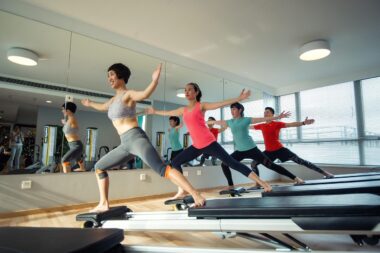
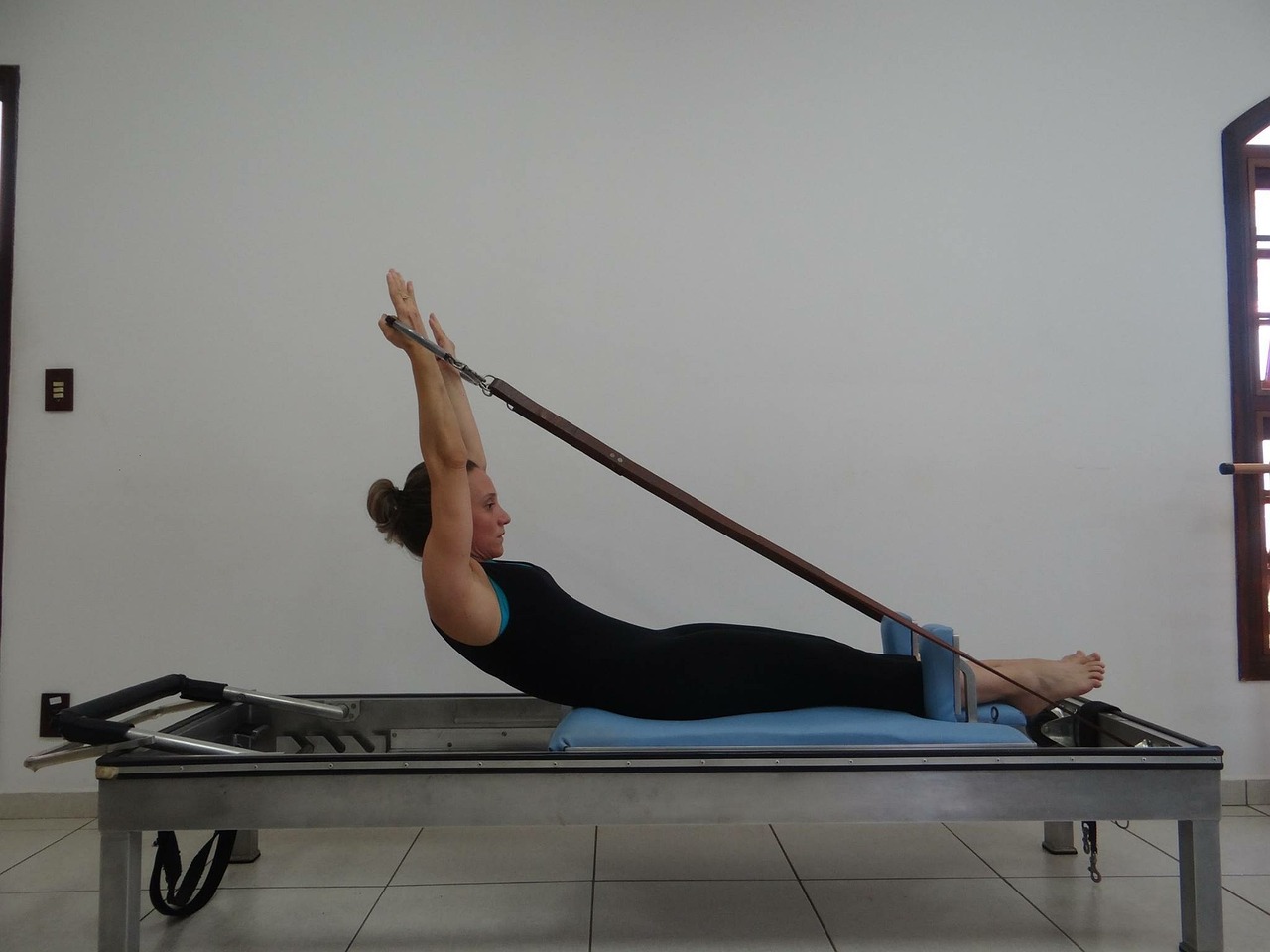
Incorporating Pilates into one’s routine is an effective way to enhance spinal alignment and overall health. Beginning with a basic understanding of the exercises and practicing them consistently can yield significant results. It’s crucial to listen to one’s body and progress at a personalized pace, especially when just starting. Joining a class or following guided online sessions can help with proper technique and alignment. This structured environment provides valuable feedback from instructors and peers. Moreover, it fosters accountability, motivating individuals to remain committed to their practice. Home practice can also be beneficial for those who prefer a self-paced approach, allowing flexibility in scheduling. Using props such as resistance bands and stability balls can enhance the effectiveness of exercises and diversify the practice. Furthermore, individuals may notice improved body awareness, flexibility, and core strength over time. Setting realistic goals can help keep motivation high, as individuals track their progress and celebrate milestones. Embracing Pilates as a journey rather than a destination encourages ongoing improvement, allowing participants to appreciate their evolving abilities and alignment.
To maximize the benefits derived from Pilates, it’s vital to combine it with proper lifestyle choices. Nutrition, hydration, and rest significantly influence physical performance and recovery. A well-balanced diet fuels energy levels necessary for effective workouts. Proper hydration supports muscle performance and joint health, essential for movement efficiency. Additionally, integrating mindfulness practices such as yoga or meditation can enhance both physical and mental aspects of Pilates. These practices promote relaxation, allowing for more effective execution of movements and alignment. Body awareness gained through Pilates can also translate into better postural habits outside the studio. Practicing conscious positioning during daily activities, such as sitting or standing, can reinforce the benefits of Pilates. Being mindful of how one carries themselves contributes to lasting improvements in posture. Regular check-ins on posture can help maintain the advancements made through Pilates practice. A supportive community can also play an important part; sharing goals, challenges, and successes with fellow enthusiasts fosters a sense of belonging. By embracing an holistic approach, individuals are set to reap the full benefits of Pilates concerning spinal alignment and overall well-being.
The Future of Pilates in Spinal Health
The future of Pilates and its impact on spinal health is promising. As awareness of the importance of posture and ergonomics continues to grow, more individuals recognize the need for preventive measures. Integrating Pilates into rehabilitation programs presents a powerful approach for helping those recovering from injuries. Moreover, educators increasingly advocate for incorporating Pilates principles into physical education. A greater appreciation for the link between posture and quality of life underlines Pilates’ relevance in modern society. Continuous research into Pilates’ benefits will further validate its effectiveness. Advancements in technology, such as virtual classes and online tutorials, enable access to quality instruction regardless of location. Additionally, these new formats will encourage engagement from wider demographics, making Pilates accessible to more individuals. Efforts to make Pilates inclusive ensure that all body types and abilities can benefit from this exercise method. Ultimately, embracing Pilates as a preventive and rehabilitative tool signifies a significant shift towards prioritizing spinal health. As people further explore the lifelong benefits of Pilates practice, much potential remains in enhancing collective physical well-being through a commitment to spinal alignment.
In conclusion, integrating Pilates into a regular health regimen can lead to significant improvements in posture and overall wellness. With a focus on spinal alignment, core strength, and body awareness, it helps individuals achieve a more balanced and functional body. The unique methods employed in Pilates cultivate an understanding of how the body moves, enabling participants to overcome personal limitations effectively. This discipline promotes self-care and increases the desire to lead a healthier, more active lifestyle. With ongoing practice, one can develop not only the physical skills necessary for achieving optimal posture but also the mental resilience that comes with personal growth. Consequently, engaging with Pilates allows individuals to forge a strong connection with their bodies, fostering lasting benefits for their physical and mental health. Whether practiced in a class setting or at home, Pilates encourages a journey towards well-being focused on spinal alignment. It provides individuals with tools to enhance their quality of life through greater body awareness, strength, and mobility. Ultimately, Pilates proves to be an invaluable practice for those seeking sustainable improvements in posture and overall health.