
Top 10 Resistance Training Exercises for Beginners
Resistance training is a crucial element of fitness, particularly important for beginners looking to build strength and muscle. Engaging in these exercises can enhance muscle tone, coordination, and overall health. For those new to resistance training, it is essential to start with foundational exercises that improve strength and confidence. Learning the proper techniques helps minimize the risk of injury, allowing you to maximize the benefits. To achieve success, incorporate a variety of exercises that target different muscle groups. Exercise variations provide necessary challenges and encourage adaptation to progressively heavier loads. Furthermore, combining resistance training with cardiovascular activities promotes a well-rounded fitness approach. Emphasizing consistency will yield the best results over time. In this article, we will outline the top 10 resistance training exercises that are perfect for beginners. Each exercise is designed to be accessible, focusing on form and function. Prepare to embark on your strength training journey with essential movements that efficiently engage your body while building a strong foundation for future advancement.
The first essential resistance training exercise for beginners is the bodyweight squat. This exercise primarily targets the quadriceps, hamstrings, and glutes, providing a solid foundation for lower body strength. To perform a bodyweight squat, stand with your feet shoulder-width apart and naturally bend your knees while lowering your hips back. Make sure to keep your chest up and engage your core throughout the movement. As you lower yourself, aim to bring your thighs parallel to the ground. Once in position, push through your heels to return to standing. This movement can be done anywhere and requires no equipment, making it ideal for beginners. Practicing bodyweight squats helps develop the technique necessary before progressing to weighted alternatives in the future. Maintaining proper form and breathing is crucial for effectiveness and overall safety. Another great benefit is the ability to increase difficulty by adding weights or adjusting reps as strength improves. Incorporating this exercise into a regular workout routine can lead to significant improvements in lower body strength and overall fitness levels.
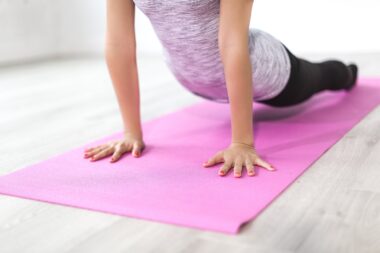
Next, the push-up is a classic resistance training exercise that efficiently targets the chest, shoulders, and triceps. Beginners can modify the push-up by performing it on their knees or against a wall. To execute a push-up, start in a plank position with your hands beneath your shoulders and your body straight from head to toe. Lower your body toward the floor while keeping your elbows close to your torso. Once your chest is just above the ground, push back up to the starting position. Focus on maintaining proper alignment throughout the movement. If knee or wall push-ups are too easy, consider elevating your feet or experimenting with different hand placements. Push-ups help build functional strength and enhance core stability, making them an essential exercise for all levels. Strong upper body muscles can improve performance in various daily tasks. As you grow stronger, gradually increase the number of repetitions or set specific targets to challenge yourself. Adding variations keeps the workout engaging and continuously promotes muscle development.
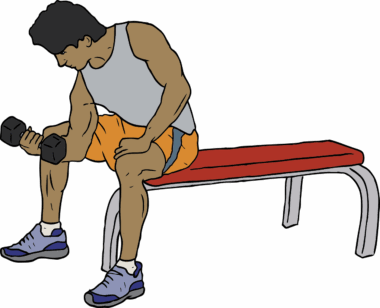
Dumbbell Basic Exercises
Incorporating dumbbell rows into your routine serves to develop upper back and arm strength. Begin by holding a dumbbell in one hand and leaning forward slightly, while placing the opposite knee and hand on a bench for support. As you pull the dumbbell toward your hip, focus on squeezing your shoulder blades together. This motion engages both the biceps and the muscles of the back. After completing your desired repetitions on one side, switch and repeat on the other side. Dumbbell rows are great for enhancing posture and stability. Additionally, they are an excellent exercise to incorporate into your full-body routine. Beginners should start with manageable weights to ensure proper form and gradually increase the load. Consistency and variety in rep ranges will produce the best results. It’s also important to rest adequately between workouts, allowing muscle recovery to promote growth. Including dumbbell rows in your training program can be a game-changer for building upper body strength and leading to better overall fitness levels.
The plank exercise is widely recognized for its effectiveness in building core strength. For beginners, performing a plank requires minimal equipment and can yield tremendous benefits. To start, assume a push-up position, ensuring your body forms a straight line from head to heels. Engage your core and hold this position for as long as possible, typically aiming for 20 to 30 seconds initially. Progressing gradually gives you optimal results. Planks effectively target various core muscles including the abdominals and obliques. As you become more comfortable, you can experiment with different variations, such as side planks or raising one leg. This not only adds challenge but also increases functional strength. Incorporating planks into your routine enhances balance and stability during daily activities. Practicing this exercise consistently helps address common postural issues caused by sedentary lifestyles. Strong core muscles provide the necessary support for many activities, promoting a healthy, active lifestyle. Thus, the plank is truly an essential beginner exercise that delivers results.
Leg Press Machine
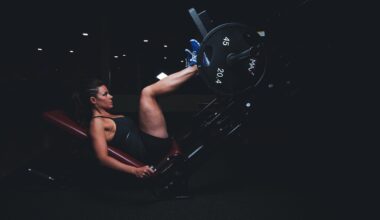
Lastly, utilizing a leg press machine is another effective way for beginners to train lower body muscles safely. This exercise targets the quadriceps, glutes, and hamstrings. To perform this exercise, sit on the leg press machine and adjust the seat according to your height. Place your feet shoulder-width apart on the platform and push the weight away from your body while controlling the descent. Be sure to maintain proper knee alignment throughout the movement, avoiding excessive inward or outward movement. The leg press provides a comfortable and secure way to perform resistance training without overloading the spine and joints. Beginners will benefit from progressively increasing weight as they grow stronger over time, allowing for substantial improvement in lower body strength. Additionally, performing leg presses contributes to enhancing overall athletic performance. Incorporating it into your routine not only builds lower body strength, but also reinforces proper mechanics, leading to safer training or athletic practice later on. This exercise should be included among your fundamental resistance training options.
Another excellent exercise for strength-building is the deadlift. This foundational movement targets the entire posterior chain, from the lower back to the hamstrings, providing numerous benefits for beginners. Start by standing with feet hip-width apart and a barbell on the floor in front of you. Hinge at your hips while lowering your body to grasp the barbell with both hands, maintaining a straight back and engaged core. As you stand, drive through your heels and extend through your hips. This comprehensive movement is crucial for developing overall strength and power. Beginners should begin with light weights to ensure proper form and technique, preventing injury. Deadlifts not only increase muscle mass alongside improving functional fitness and posture; they also stimulate fat loss. Practicing deadlifts consistently will enhance your strength and athletic abilities over time, making them an indispensable exercise in any resistance training program. Variety in load and speed can help keep the workouts fresh and engaging while stimulating progress. Thus, the deadlift is especially useful for anyone looking to build overall body strength.
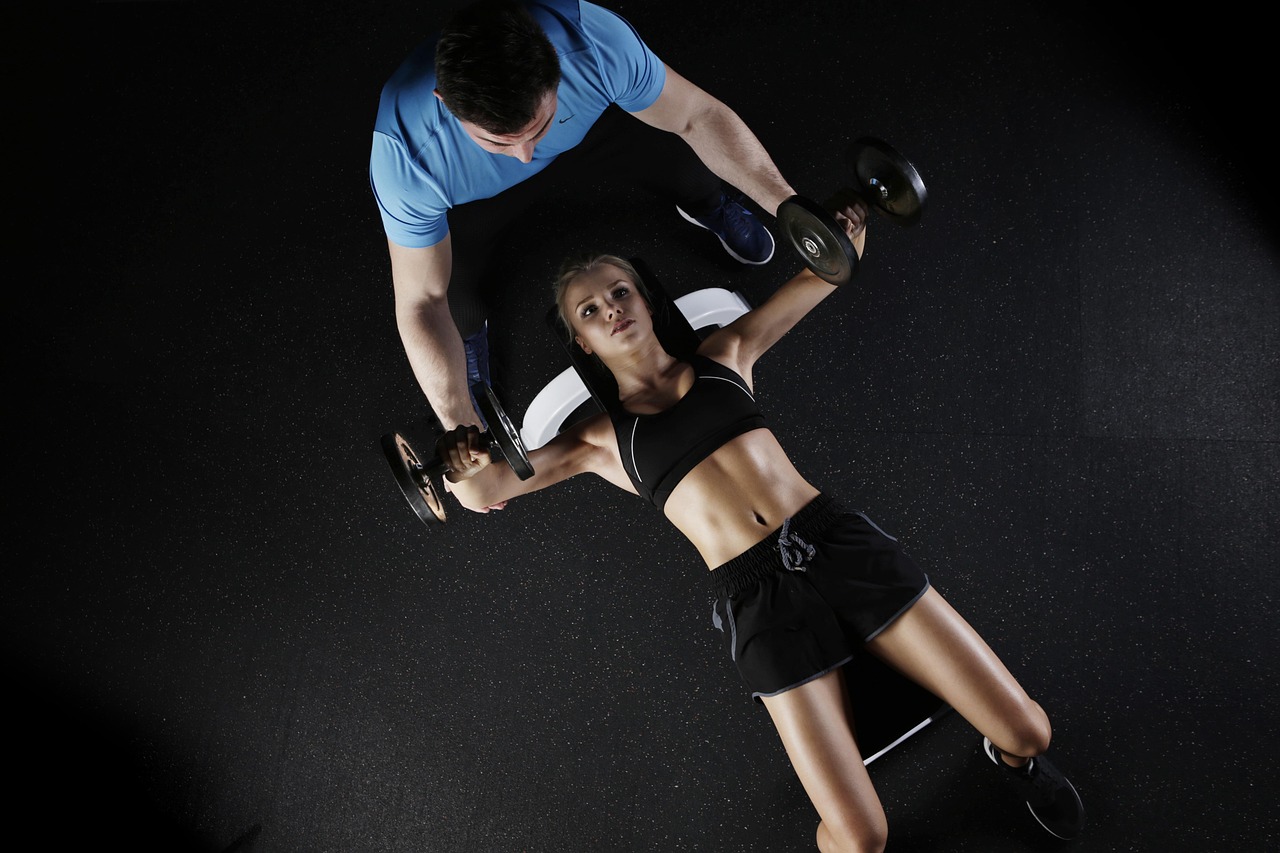
Incorporating resistance training into your workout routine can significantly enhance overall fitness. Starting with the ten exercises mentioned promotes a well-rounded approach specifically designed for beginners. By choosing exercises that engage multiple muscle groups, you can maximize your workout efficiency. Also, consistency in your resistance training efforts ensures progressive development and helps instill good habits. Each exercise outlined provides an opportunity to build strength, improve mobility, and promote a healthier lifestyle. Emphasizing proper form and technique from the very beginning will lay a solid foundation for more advanced movements down the line. Moreover, regularly revisiting techniques and seeking appropriate variations keeps workouts engaging. Always focus on gradual improvements, whether through adding weight or increasing repetitions. As you move forward on your journey, you’ll find that patience and persistence are critical to success. Learning to listen to your body and allowing adequate recovery time is essential. Additionally, consider seeking guidance from qualified trainers to ensure you get the most from your workouts. By maintaining motivation and determination, you will enjoy the benefits of a stronger, healthier body through resistance training.