
Best Practices for Postpartum Dance Safety and Injury Prevention
Engaging in dance workouts can be an exciting way for postpartum women to regain strength and confidence. However, ensuring safety during these workouts is crucial. Before starting any postnatal dance program, it is essential to consult a healthcare professional, particularly if there were complications during pregnancy or delivery. This consultation will ensure that the body is ready for physical activity. Moreover, choose a reputable class or instructor experienced in postpartum fitness. A knowledgeable instructor can modify dance routines suitable for varying levels of recovery. Start with gentle movements and progressively increase intensity over time. Create a safe exercise environment by removing hazards like slippery floors or obstacles. Make sure to wear supportive footwear designed for dance to protect joints while optimizing performance. Remember to listen to your body. Pain should not be ignored, and if discomfort occurs, it’s important to stop and rest. Following these practices helps minimize the risk of injury, allowing participants to enjoy dance workouts while focusing on their postpartum recovery and fitness goals, ultimately enhancing their overall well-being.
In incorporating postpartum dance workouts into fitness routines, hydration and nutrition play significant roles. Staying hydrated is vital during any physical activity, and postpartum women should drink enough fluids before, during, and after their workouts. Proper hydration supports recovery and overall health, keeping energy levels up. Additionally, focusing on a nutritious diet can help optimize physical performance in dance sessions. Consuming balanced meals rich in protein, healthy fats, and complex carbohydrates ensures the body has the fuel needed for exercise. Before a dance workout, a light snack that includes both carbs and proteins can provide the necessary energy. Post-exercise, replenish nutrients by consuming a recovery snack or meal within two hours. Adequate rest and recovery are equally crucial for postpartum recovery. The body has undergone significant changes, so allowing time for muscle and tissue recovery is important. Adequate sleep enhances overall recovery, boosting performance during workouts. By focusing on proper hydration, nutrition, and rest, postpartum women can enhance their energy levels, improve performance, and promote safe and enjoyable dance workouts.
Preventing Common Injuries
Injury prevention in postpartum dance workouts requires awareness of common injuries that may affect new mothers. One prevalent issue is diastasis recti, where abdominal muscles separate, which can cause instability during dance movements. This condition requires modifications in dance routines to ensure safety without exacerbating the problem. Seeking guidance from a professional who understands diastasis recti is paramount. Another common issue is pelvic floor dysfunction; many postpartum women experience pelvic discomfort during physical activities. Engaging in exercises specifically designed to strengthen the pelvic floor can help manage these concerns effectively. Additionally, proper warm-up and cool-down routines are essential to maintaining muscle health and preventing injuries. Warm-ups should include gentle stretching and muscle activation, while cool-downs should incorporate static stretches to improve flexibility. It’s beneficial to focus on posture and alignment during dance movements, as improper positioning can lead to strain and injuries. Listening to body cues regarding fatigue is vital; if feeling overwhelmed, participants should reduce workout intensity. By implementing these practices, postpartum women can significantly minimize the risk of injuries during their dance workouts.
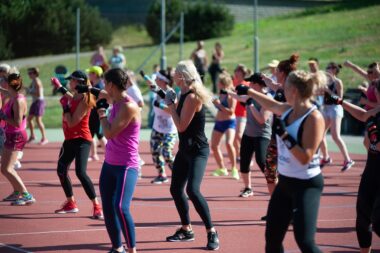
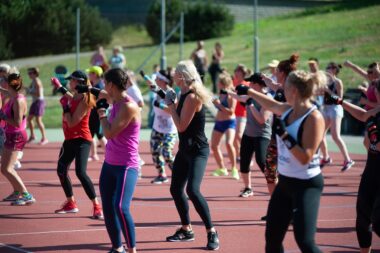
Choosing the right type of dance can also enhance safety during postpartum workouts. Low-impact dance forms such as Zumba Gold, ballet, or gentle jazz are ideal for new mothers, allowing fun while minimizing stress on the body. These dance styles are less intense, making them suitable for healing bodies. Moreover, engaging in group classes can offer additional support and motivation for postpartum women. They can share experiences, challenges, and tips, fostering a sense of community during workouts. The emotional benefits of connecting with others in similar situations should not be overlooked. Furthermore, always consider the time of day for workouts; most women will feel energized during particular times, making regular routines easier to maintain. Monitoring energy levels and emotional states can help participants select the best time to engage in dance workouts. Gradually introducing dance into fitness routines ensures a more enjoyable and sustainable experience. This way, the workouts can fit seamlessly without overwhelming the postpartum woman’s already busy lifestyle. Most importantly, dance should be a source of joy and movement, enhancing physical, mental, and emotional well-being.
Utilizing Support Tools
Utilizing support tools can significantly benefit postpartum women during dance workouts. Items such as supportive belly wraps or compression garments can provide stability and support to the core and lower back. These tools can promote a sense of security while engaging in physical activities. Additionally, using props like chairs or barre can aid in maintaining balance during dance routines, making movements easier and safer. If available, consider using dance-specific equipment like resistance bands or light weights to increase workout efficacy without compromising safety. These enhance movement variety and assist in muscle strengthening without very high impacts. Schedule dance sessions during times when caregivers are available to watch the baby, allowing mothers to focus solely on their workouts. This promotes concentration, reducing distractions during exercise. Music can also be a supportive tool; upbeat, motivating playlists can set an energizing atmosphere and encourage enjoyment during workouts. Finally, practicing mindfulness during dance helps participants connect with their bodies and emotions, thus enhancing the overall experience. Employing such tools will create a conducive environment for safer and more enjoyable postpartum dance workouts.
A vital aspect of postpartum fitness is understanding the importance of gradual progression. After childbirth, women should ease back into exercise to avoid overwhelming their bodies. Start with light movements, focusing on core stability, and progressively incorporate dance elements as the body strengthens. Avoid high-impact movements such as jumping or quick direction changes in the initial stages. Gradual progression helps to prevent injuries related to overexertion, muscle strains, and joint discomfort. Maintaining consistency is crucial; aiming for three to four short sessions weekly instead of excessively long workouts can foster lasting fitness habits while preventing burnout. Establishing a regular schedule that accommodates both fitness goals and the demands of motherhood can increase long-term success. Be patient with the body’s transformation; sometimes, it may take longer for certain movements to feel comfortable or achievable. Listen to personal capabilities, adjusting workouts based on individual progress. Keeping a fitness journal can also help track improvements and identify any adverse effects. By focusing on gradual progression, postpartum women can safely navigate their fitness journeys while participating in enjoyable and energizing dance workouts.
Consult Professional Guidance
Consulting with professionals who specialize in postpartum recovery ensures that fitness routines are tailored appropriately for individual needs. These practitioners can provide personalized assessments, addressing specific concerns regarding fitness levels and recovery statuses. Working with physical therapists or certified postpartum fitness trainers can maximize safety during dance workouts. They can suggest specific modifications based on individual conditions and suggest exercises that may be beneficial during recovery. Additionally, joining women’s health programs or classes geared toward postpartum women can provide valuable insight into safe practices in physical activity. Many local gyms and community centers offer specialized dance classes for new mothers focusing on safe practice. Participating in workshops or seminars can deepen knowledge of anatomy and how it relates to postpartum fitness, especially concerning dance workouts. Moreover, online resources and communities can be invaluable for support and guidance. Engaging with others in similar situations can provide motivation, shared experiences, and tips. Always remember that every journey is unique, and misunderstandings about postpartum recovery must be addressed through professional guidance.
In conclusion, embracing postpartum dance workouts can significantly benefit new mothers as they recover after childbirth. Ensuring safety and preventing injuries should be at the forefront when engaging in these fitness pursuits. By integrating safe practices, such as proper consultation, nutritional care, support tools, and listening to the body, participants can achieve positive outcomes. Additionally, understanding the importance of gradual progression fosters a sustainable fitness journey while enjoying the social aspects of dance. Encouragement from local classes and online communities can also increase motivation, helping postpartum women remain active and healthy. Embracing more enjoyable forms of physical activity will boost physical health and emotional wellness, contributing to overall well-being. While the road may have its challenges, such an approach assures that dance becomes a celebrated part of postpartum recovery. Mothers should be kind to themselves throughout this journey, recognizing that achieving fitness goals may take time and patience. Above all, blending joy with practice will make each experience more rewarding, helping to create a balanced lifestyle that maintains physical health and mental positivity.