
Tracking Mental Health Benefits Alongside Physical Fitness
In today’s fast-paced world, focusing on mental health is essential, particularly alongside physical fitness goals. Individuals often prioritize one aspect over another, leading to an imbalance that can affect overall well-being. By tracking mental health benefits in tandem with physical fitness, members of the fitness community can ensure a well-rounded approach. Various methods can be employed for this dual tracking, such as journaling experiences or using mobile applications designed for this purpose. These tools help highlight improvements in mood and mental clarity, providing insights into how physical activity enhances mental health. Support from fitness groups or community forums focuses on integrating both forms of wellness. Each workout session becomes more meaningful when mental achievements are celebrated just as much as physical goals. Regular assessments can help measure progress and motivate individuals to continue their fitness journey with a balanced mindset. This holistic approach emphasizes that while lifting weights builds muscles, mental health lifts the spirit. Ultimately, combining these two aspects leads to an enriched, fulfilling fitness experience that enhances quality of life.
Measuring both fitness and mental health benefits requires specific tools and strategies that encourage consistency. Individuals can start by setting clear, measurable goals for both physical fitness and mental well-being. Simple practices include daily mood tracking, participation in fitness classes, or group sport activities. These options allow for personal growth while fostering support among peers. As a community, members can share successes, challenges, and tips, celebrating achievements along the way. Establishing a routine can help individuals make mental health tracking a habit, ensuring that progress is observable over time. Additionally, incorporating mindfulness techniques into workouts can enhance the mental aspect as well. Engaging in yoga or meditation before or after a physical session can create a mind-body connection that brings awareness to emotional states. More importantly, seeking feedback from fitness coaches or mental health professionals can aid in understanding better how both areas improve simultaneously. Regular discussions about mental health within fitness communities can normalize these conversations that uplift well-being and promote a stronger sense of belonging, empowering everyone to thrive together.
Benefits of Holistic Tracking
Holistic tracking combining physical fitness and mental health presents numerous benefits for individuals. First, individuals may experience enhanced motivation, pushing them to engage more actively in both areas. As physical progress is observed alongside positive mental shifts, motivation levels remain high. Additionally, holistic tracking fosters accountability by enabling individuals to discuss their experiences with others. Sharing accomplishments in both dimensions creates an atmosphere of support within fitness communities. Mental resilience often strengthens when physical fitness is prioritized. Enhancing one’s physical state can lead to improved self-esteem and confidence, positively impacting mental health. Individuals may also discover correlations between workouts and elevated moods, leading to healthier lifestyle choices overall. This positive feedback loop reinforces the importance of focusing on both elements as interdependent rather than isolated. Furthermore, recognizing mental breakthroughs during workouts, such as reduced anxiety or enhanced mood, can deepen the personal meaning of fitness activities. Everyone involved should know that celebrating mental and physical milestones nurtures a supportive environment, leading to personal growth. Ultimately, this comprehensive approach makes the fitness journey enjoyable and sustainable for all community members.
The role of community support cannot be overstated when tracking mental health alongside physical fitness. Engaging with like-minded individuals can significantly impact commitment levels and collective progress. Group workouts and classes create opportunities to discuss mental health openly. This collaborative aspect highlights the importance of sharing techniques and personal stories that others might find relatable. Building connections fosters a sense of belonging, essential for reducing feelings of isolation often associated with mental health challenges. Various support groups focused on fitness can also provide valuable resources for mental well-being, such as expert advice, articles, or workshops. Encouraging open discussions within these groups ensures that members feel safe and supported without stigma. Moreover, creating accountability partners can remarkably enhance personal growth, as friends can motivate each other both physically and mentally. Tracking progress together allows individuals to celebrate small victories and push through adversity as a united front. Ultimately, investing in relationships and community creates a nurturing ecosystem for everyone involved. Knowing that others are going through similar journeys makes individuals feel less alone, enabling personal growth and empowering them on their respective paths.
Utilizing Technology for Tracking
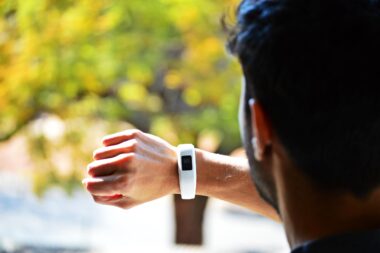
Advancements in technology have made tracking mental health benefits along with physical fitness significantly easier. Several apps now offer blended features designed for both areas. For example, fitness trackers can log workouts while providing mental health features, like meditation exercises and mood logging options. These solutions allow users to create a comprehensive snapshot of their progress, showcasing correlations over time. Integration with social media platforms can also motivate users by sharing achievements, further encouraging connection within the fitness community. Members can celebrate milestones and express solidarity, which strengthens community bonds. Moreover, digital platforms provide historical data that individuals can analyze, identifying patterns between physical activity and mental clarity. Users can track what activities most positively impact their mood, allowing for informed decisions in future workouts. This data-driven approach enables individuals to tailor their fitness routines to maximize both physical and mental benefits. Connecting with professionals via these platforms gives users access to additional resources while reinforcing the importance of integrating fitness and mental health. Each person can then curate a truly personalized fitness journey while supporting their mental health effectively.
Incorporating structured reflection into the routine can drastically improve understanding of mental health benefits linked with physical fitness. Spending a few moments post-workout to jot down feelings or thoughts can illuminate progress and challenges. Journaling allows for introspection, helping individuals grasp how workouts affect mood, motivation, and mental resilience over time. Creating a dedicated space to reflect provides individuals with a clear understanding of the progression journey. Regular written assessments can facilitate conversations with fitness and mental health professionals, ensuring that solutions align with personal objectives. These insights drive deeper understanding, guiding adjustments in both physical routines and mental strategies. Establishing consistent days for reflection or reviews reinforces the habit and creates an opportunity to celebrate progress. Individuals can note patterns that emerge in both mental states and physical performance, creating actionable items for future workouts. Furthermore, sharing insights with a support group or training partner cultivates an environment where everyone learns and grows. This collaborative approach nurtures trust, reinforcing the importance of mental health awareness in a supportive fitness community. Recognizing these connections allows individuals to cultivate a more profound understanding of themselves.
Conclusion: A Balanced Approach to Fitness
In conclusion, tracking mental health benefits alongside physical fitness leads to a more fulfilling and balanced approach to wellness. The emphasis on mental health in the fitness community highlights the significance of holistic wellness. As individuals engage in structured tracking, technology, and community support, they discover greater motivation and resilience. This journey becomes a shared experience where members uplift one another, celebrating the integration of both mental and physical goals. By embracing this dual focus, every workout evolves into an opportunity for both physical achievement and mental clarity. Additionally, fostering open dialogues about mental health within fitness settings ensures inclusivity and encourages others to prioritize their well-being. This comprehensive strategy not only promotes a vibrant fitness culture but also nurtures personal growth within every individual. Ultimately, participants begin to understand that both mental health and physical fitness are essential, interwoven facets of a healthy lifestyle. This realization drives individuals to commit wholeheartedly to their goals, enhancing their overall quality of life. Empowered through community and shared experiences, individuals can truly flourish in their fitness journeys.