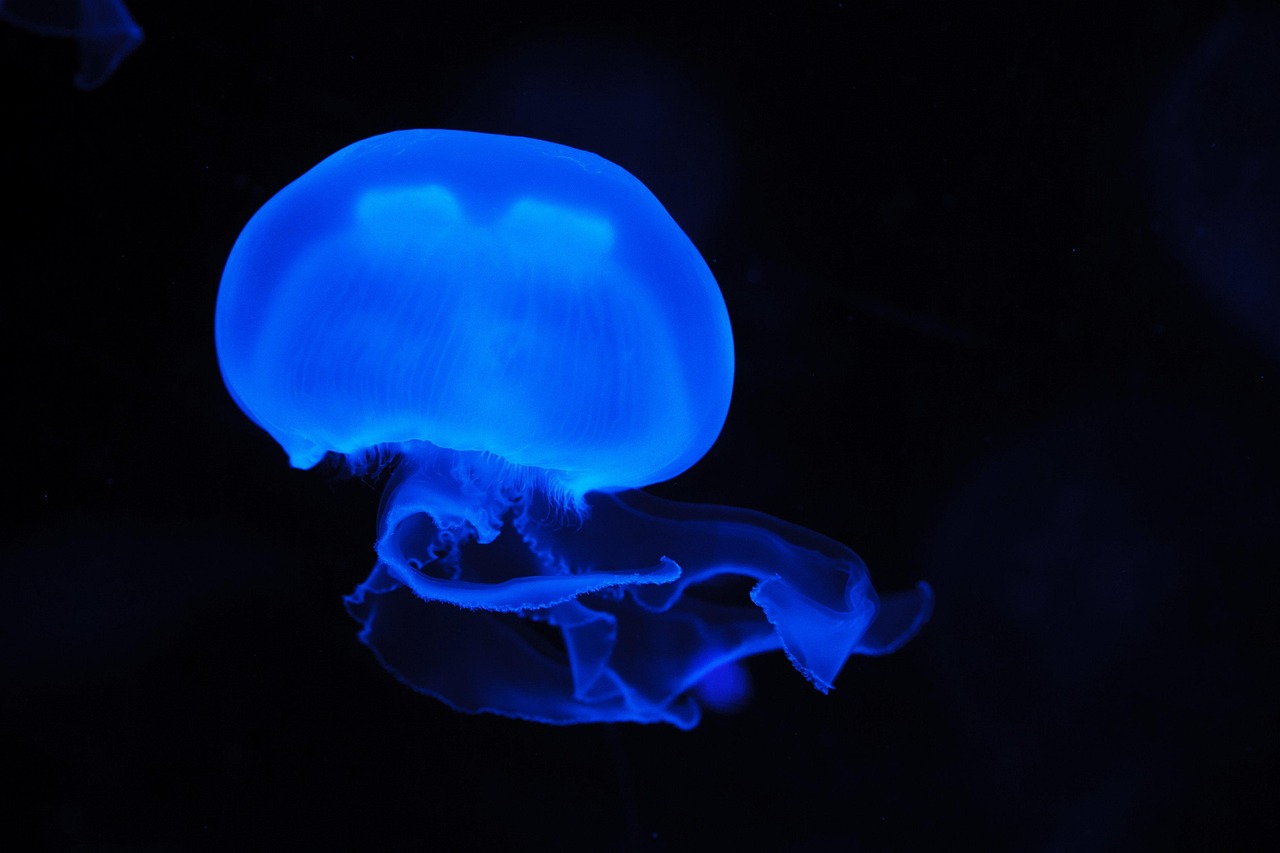

Handling Jellyfish Stings and Marine Life During Open Water Swims
Open water swimming can present unique challenges, especially when it comes to navigating encounters with jellyfish and other marine life. Ensuring your safety and comfort during these swims is paramount. To start, it is important to recognize the types of jellyfish that inhabit your swimming area, as their sting can vary significantly in severity. Some stings are merely irritating while others can lead to serious health issues. Before heading into the water, it is wise to familiarize yourself with the local jellyfish species and best practices for avoidance. Wearing protective clothing, such as rash guards, can be an effective deterrent. In addition to safety gear, carrying vinegar can aid in neutralizing the venom if stung. Always learn the correct techniques for removing tentacles cautiously. Moreover, other marine life may also be present, so being aware of your surroundings can prevent unwanted surprises while swimming. The goal is to enjoy your swim without fear, knowing that you understand the precautions necessary to mitigate risks if faced with these challenges.
One of the best methods for preventing jellyfish stings during open water swims is to select your swim time carefully. Many jellyfish species have specific feeding or swimming patterns that align with certain times of the day. They often tend to be more active early in the morning or during warmer water temperatures. Therefore, choosing to swim during calmer times of day can greatly reduce your chances of encountering them. Additionally, swimming in shallow waters can help avoid jellyfish swarms that usually prefer deeper areas. While enjoying your swim, maintaining a firm awareness of both your environment and the local marine life enhances your overall experience. After all, open water swimming offers beautiful scenery, fresh air, and the thrill of free-range aquatic life. It is also critical to understand that it is not just jellyfish you should be cautious around; other creatures can also pose threats, such as sea urchins or the occasional shark. Being educated about these animals and their habits ensures you feel confident and prepared for any potential encounters.
First Aid for Jellyfish Stings
If you do happen to get stung, knowing first aid procedures is crucial for minimizing discomfort. Initially, it is vital to exit the water calmly to avoid further stings, as panic can lead to accidents. Rinse the affected area with seawater and avoid using fresh water, as this can aggravate the sting. Using a pair of tweezers, carefully remove any tentacles still attached to your skin. Afterward, applying vinegar can help neutralize the venom if vinegar is recommended for that particular species. For severe reactions, seeking medical attention should be priority. Have a plan in place for emergencies and know the nearest medical facility’s location. Additionally, stoic swimming techniques, which involve remaining calm, should help you stay level-headed during an unusual encounter. Keeping your swim team or companions informed about your safety plan adds another layer of security and collective knowledge. Every swimmer should be prepared to answer questions for others and make an effort to be a responsible marine swimmer to protect not just themselves but also each other and the ecosystem.
Aside from stings and bites, the beauty of open water swimming allows for moments of connection with marine life. While swimming, take the time to appreciate the presence of various fish species, dolphins, or even sea turtles. Knowing how to share the water respectfully enhances your experience. For instance, when encountering larger marine animals, it’s advisable to maintain a safe distance and respect their space. It is also important to remember that many marine creatures are protected, and swimming too closely might disrupt their habitat. Be aware of your behavior in these spaces, as conserving marine life is essential. Further, being knowledgeable about local regulations pertaining to marine wildlife interactions is a good practice for swimmers. Keep the environment in mind during your swim, as litter reduction practices contribute to the health of the aquatic ecosystem. Marine plants like seagrasses and coral reefs require protection too. By acknowledging what surrounds you both during and after your swim, you contribute to better marine life conservation efforts, making the experience enriching for future generations.
Proper Gear for Open Water Swimming
When preparing for an open water swim, the right gear can significantly improve your experience in several ways, including reducing potential marine encounters. High-quality wetsuits provide not just thermal protection, but some designs also feature stinger suits that offer additional coverage against jellyfish stings. Ensure your wetsuit fits well to prevent any waterflow that could increase discomfort during your swim. Goggles with anti-fog features are vital for clearer visibility, helping you see potential marine life sooner. Additionally, swim caps can offer buoyancy while protecting against sun exposure, both of which enhance performance. Another important piece of equipment includes anchoring floats that increase safety by making you more visible to boaters or fellow swimmers. Having identification on hand, or attaching it to your float, can be crucial in emergencies. Furthermore, signaling devices such as whistles or small flare kits can keep you audible during a swim session, adding an extra layer of safety. Always test your gear beforehand in controlled environments to ensure their functionality, and feel confident as you navigate through various aquatic environments.
In conclusion, mastering open water swimming while managing marine encounters requires practice, education, awareness, and proper preparation. Knowing how to respond to jellyfish stings and being conscious of your aquatic environment can significantly enhance your swimming experiences. Before each open water swim, ensure you’re fully prepared and have a plan in place to enjoy the beauty of the sport. Engage in local swim groups that focus on marine education. This knowledge can not only serve as your own defense but can also help inform others. Remember that swimming is not just about personal achievement; it is also about experiencing and respecting the shared beauty of our water ecosphere. Find joy in open water swims by learning how to navigate through challenges, embracing marine wildlife, and, most importantly, staying safe. With thoughtful preparation, your swims can become exhilarating adventures rather than sources of anxiety. Each swim can be an opportunity for connection with nature, promoting both your health and awareness of the underwater world. Dive in and let the waves guide your way with confidence and knowledge as your constant companions.
To summarize, jellyfish encounters can initially seem daunting, but arming oneself with adequate knowledge and resources can turn potential hazards into manageable situations. Understanding the habitat of jellyfish species in your local waters will prepare you ahead of time, encouraging respect and precaution. It’s essential to keep communicating with fellow swimmers while staying observant of your surroundings. Creating awareness around marine life not only ensures individual security but enhances group safety. Participate in community safety regulations and environmental education programs to promote a safer open water culture. Through incorporating the appropriate gear, swim etiquette, and first aid knowledge, you boost your chances of enjoyable outings. Throughout the swimming season, continued education and safety practices will improve your competency and confidence. The thrill of the open water is only matched by the richness of experiences and relationships developed within it. Seize the opportunity to learn and share experiences that foster a sense of camaraderie among swimmers. Celebrate the ocean with respect, and enjoy the adventure that awaits. Remember, every swim is a chance to grow as a swimmer and a contributor to aquatic conservation efforts.
By prioritizing safety and awareness during open water swims, swimmers promote positive relationships with marine environments that benefit everyone. The natural environment offers unique experiences filled with extensive learning opportunities about aquatic ecosystems. Embrace the connection that arises from these interactions while exploring new locations with enthusiasm. Consistency in practice leads to greater adaptability around challenges, including marine encounters. Open water swimming is rich in comfort and enjoyment when everyone feels secure and informed. Be proactive — share safety tips with others, remain communicative regarding sightings of jellyfish or unusual marine life, and partake in beach clean-ups as a collective effort. By creating an informed community, every participant can feel encouraged. Open communication strengthens responsibility and unity amongst swimmers, ultimately leading to memorable experiences that everyone can cherish. Each session in the ocean should serve not only personal growth but also benefit the larger goals of environmental awareness and enjoyment. Reach out to fellow swimmers for shared wisdom regarding jellyfish stings and marine life safety. Together, an abundance of insights can lead to communities that prioritize marine life conservation, making every swim a shared adventure of respect and awe.