
Why Water Intake Matters When Fasting
Intermittent fasting has become a popular trend among those seeking various health benefits, including weight loss and improved metabolic health. While many focus on the types of food to consume during eating windows, it’s equally essential to consider hydration. During fasting periods, the body depletes its fluid reserves, making water intake crucial. Adequate hydration is vital for maintaining energy levels and mental clarity, two key factors that can influence the success of fasting practices. Not drinking enough water may result in fatigue, headaches, and reduced cognitive function. Experts suggest that individuals practicing intermittent fasting should monitor their hydration levels closely. Water intake helps facilitate vital physiological functions, including metabolism, nutrient transport, and waste elimination. This is particularly true during fasting, as dehydration may exacerbate feelings of hunger and lead to cravings. Additionally, some people overlook the importance of electrolytes during fasting, which can help replenish essential minerals lost through sweat and urine. Not only does this support hydration, but it also helps maintain overall health during fasting regimes. Keeping hydrated can make fasting not only easier but also more beneficial overall.
Hydration Strategies for Fasting
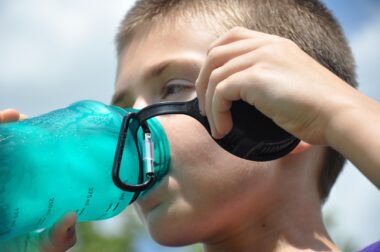
To maximize the benefits of fasting, establishing effective hydration strategies is crucial. Begin your day with a glass of water to replenish any fluids lost overnight. Carry a reusable water bottle throughout the day to ensure you can easily access water. Aiming for at least eight glasses of water daily can help maintain hydration. Adding flavor to water, such as lemon or mint, may encourage increased intake without adding calories. It’s also wise to consider the timing of water consumption. Drinking water before meals can create a sense of fullness, potentially curbing overeating. Staying consistent with water intake during fasting can help individuals avoid discomfort. Herbal teas and black coffee are also acceptable options, as they are low in calories and can contribute towards your hydration needs. Additionally, incorporating hydrating foods during eating windows, such as cucumbers, lettuce, and oranges, can further help with fluid intake. Regular monitoring of urine color is a helpful gauge for determining hydration status; light yellow indicates adequate hydration. Recognizing your body’s signals is vital and can promote optimal fasting success.
The Risks of Dehydration
Failing to maintain proper hydration while fasting can lead to several adverse effects on health. When dehydrated, the body may struggle to perform essential functions, leading to complications. Common symptoms include fatigue, dizziness, dry mouth, and headaches, which can deter individuals from adhering to their fasting protocols. Chronic dehydration can also affect digestion and metabolism, making weight loss more difficult. Furthermore, prolonged low fluid intake can cause kidney problems, as the kidneys rely heavily on water to filter waste from the blood. Electrolyte imbalances can occur as well, leading to muscle cramps and fatigue. To mitigate these risks, it’s essential to regularly consume fluids during fasting. Additionally, recognizing and addressing early signs of dehydration can help sustain fasting efforts. Acknowledging thirst signals and drinking water at sign of discomfort is paramount. Discomfort can hinder both focus and productivity; this undermines the overall purpose of fasting for personal growth and health benefits. Therefore, prioritizing hydration during fasting is crucial to maintain function and support overall health and wellness.
Electrolyte Balance in Fasting
Electrolytes play a significant role in maintaining hydration and physiological functions, making them important during fasting periods. Electrolytes are minerals such as sodium, potassium, calcium, and magnesium that help regulate nerve and muscle function while maintaining acid-base balance and fluid levels. When fasting, especially if engaged in high-intensity workouts, electrolyte needs may increase. Consuming mineral-rich water or electrolyte supplements can help restore electrolyte balance while fasting. Hydration with an emphasis on electrolytes assists in preventing undesired symptoms like cramping or fatigue. Low-sugar and low-calorie sports drinks can also be beneficial when fasting. However, individuals should review ingredients to ensure they align with fasting protocols. Moreover, incorporating foods naturally high in electrolytes during eating windows, such as bananas, avocados, or coconut water, supports hydration and overall health. Monitoring your body’s responses can help in adjusting fluid and electrolyte intake according to personal needs. It is also helpful to experiment with electrolyte strategies during fasting periods to determine what works best. Proper hydration coupled with balanced electrolytes enhances fasting experience and increases the potential benefits.
Signs of Dehydration
Being aware of the signs of dehydration is vital during fasting. Early warning signs include thirst, dry mouth, low energy, and dark-colored urine. While many may experience these symptoms, it is important to react timely by increasing water intake. Advanced dehydration can lead to even more concerning symptoms such as rapid heartbeat, headache, or confusion. These symptoms should not be ignored, as they can significantly hinder fasting efforts and overall well-being. Attention to hydration should become a priority during fasting. Keeping a hydration log may assist individuals in tracking their water intake and recognizing patterns. Everyone’s hydration needs can vary, and factors such as climate, activity levels, and overall health can impact requirements. Therefore, fasting individuals should tailor their hydration approach based on personal experiences and reactions. If necessary, consulting a healthcare professional about hydration needs while fasting can provide additional guidance. Awareness and proactive measures in managing dehydration risks can enable a more beneficial fasting experience, allowing met goals and improved health outcomes. Increasing awareness about hydration also enhances proactive self-care habits.
Final Thoughts on Hydration and Fasting
In conclusion, hydration plays a vital role in the success of intermittent fasting. Maintaining proper fluid intake not only supports physiological functions but can significantly influence how individuals feel during fasting hours. Fasting can often lead to fluctuations in hunger levels, cravings, and energy, and hydration is crucial in managing these experiences. Individuals should not overlook the importance of staying hydrated, focusing on water intake alongside electrolyte balance. Ensuring that hydration aligns with personal needs can lead to enhanced fasting results while promoting overall health. Adopting a proactive approach towards hydration tailored to personal preferences can make fasting more comfortable and effective. Experimenting with different hydration strategies may provide insights into what works best individually. Encouragement to prioritize hydration should be viewed as an investment in the fasting experience rather than an afterthought. By recognizing the critical relationship between fasting and hydration, individuals can optimize their journey toward improved health and wellness through fasting. Staying committed to both hydration and fasting promises to yield the most profound benefits.
Resources for Further Reading
For individuals seeking more information on fasting and hydration, numerous resources are available. Websites such as Healthline offer comprehensive guides on fasting practices, hydration tips, and the role of water in overall health. Books like “The Complete Guide to Fasting” provide insights on how proper hydration can enhance fasting outcomes. Online forums and community groups can connect individuals with similar fasting experiences and support. Joining these groups allows sharing knowledge, tips, and personal stories about effective hydration strategies during fasting. Furthermore, consulting with nutritionists or healthcare providers can provide tailored hydration plans that accommodate individual fasting methods. Emphasizing the importance of accurate information helps encourage safe fasting practices. Additionally, many apps are designed to track hydration levels, making it easier to monitor water intake throughout the day. By accessing credible resources and engaging with community support, individuals can strengthen their understanding of hydration’s role in fasting success and, in doing so, encourage a healthier lifestyle overall.
Conclusion
The importance of hydration during fasting is often underestimated. Individuals can greatly enhance their fasting experience by maintaining adequate fluid intake and considering electrolyte balance. Water serves as a foundation for achieving optimal health during fasting, aiding energy, focus, and overall well-being. As intermittent fasting continues to grow in popularity, the need for education around the importance of hydration becomes even more critical. Through staying proactive with hydration strategies, individuals can propel themselves toward success while fasting. Encouragement of hydration awareness as an essential pillar of fasting should resonate with all practitioners. Ultimately, effective hydration can improve the overall effectiveness of fasting and lead to better health outcomes that are sustainable in the long run. Individuals should regularly assess their hydration levels, adjusting as needed to align with fasting demands on the body. Ultimately, fostering a supportive environment around hydration can promote improved health for anyone undertaking fasting. Thus, striving for balance between fasting practices and hydration ensures that fasting can remain an achievable and pleasurable experience.