
The Vital Role of Hydration During Intermittent Fasting
Intermittent fasting has gained immense popularity as a health and weight management strategy. While many focus on the eating schedule, hydration often takes a backseat. Maintaining adequate fluid intake is crucial during fasting. Water not only keeps you hydrated but also facilitates numerous bodily functions. It aids in digestion, nutrient absorption, and waste elimination. Proper hydration boosts metabolism and enhances energy levels, helping to curb hunger pangs, which can derail your fasting efforts. During the fasting window, it’s essential to consume fluids, primarily water, but also herbal teas or black coffee. These options offer flavor without added calories. Additionally, they provide antioxidants and benefits such as improved mental clarity and focus. One misconception is that you can’t consume anything but water, but many beverages can be included. Electrolyte-rich options also play a vital role, especially if fasting for extended periods. Including supplements or electrolyte drinks can help replenish lost minerals your body needs. Always listen to your body, and don’t wait until you feel thirsty. Adequate hydration supports optimal performance, making fasting more bearable and effective in achieving your health goals.
Ensuring proper hydration during intermittent fasting can help prevent various health complications, particularly dehydration. Dehydration can lead to fatigue, headaches, dizziness, and in severe cases, organ dysfunction. Surprisingly, many do not realize they are dehydrated until symptoms arise. Therefore, incorporating regular fluid intake should be a priority during fasting. Aim for at least 2 to 3 liters of fluids daily. If plain water bores you, consider infusing it with fruits or herbs for added flavor. This method not only boosts hydration but makes drinking water enjoyable. It’s also important to note that hydration levels can fluctuate based on your fasting duration and activity levels. If you exercise during fasting, increase your fluid intake beforehand to offset any potential loss through sweat. A well-hydrated body maintains stronger cognitive function, allowing for better concentration and focus. Moreover, adequate hydration can help regulate body temperature, particularly in warmer weather. It can even assist in weight loss, as staying hydrated may promote feelings of fullness. So, always prioritize hydration not just as a necessity, but as an integral part of fasting success. The balance between fasting and fluid intake can ultimately lead to better health outcomes.
Types of Hydration
Identifying the right types of hydration is equally crucial for anyone practicing intermittent fasting. While water is the primary choice for hydration, there are various other options that can supplement your intake effectively. One popular alternative is herbal tea, which comes in numerous flavors and provides additional benefits such as antioxidants. Green tea, for instance, is well-known for its metabolism-boosting properties. Furthermore, bone broth can be an excellent choice, rich in electrolytes and beneficial nutrients. This warm beverage not only hydrates but also keeps you feeling full longer, aiding in portion control until your next meal. Additionally, coconut water serves as a natural electrolyte source, replenishing minerals lost during fasting especially in hotter conditions. However, it’s important to be aware of the sugar content in some options. Other alternatives may include vegetable juices or smoothies, but these should be consumed with caution due to potential calories. Always check for added sugars which can break your fast inadvertently. Each option has unique advantages, so mixing different types of hydration can make your fasting experience enjoyable while ensuring you meet your fluid needs effectively and efficiently.
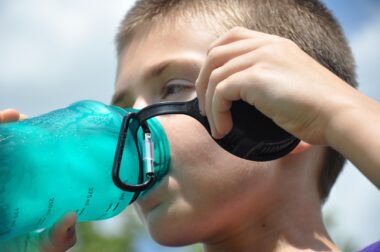
Awareness of your body’s hydration signals is essential, especially when practicing intermittent fasting. Many people often confuse hunger with thirst, thus consuming food when their only need is fluid. To combat this, consider developing a schedule that encourages regular hydration. Set reminders to drink water during your fasting period; this will help avoid pitfalls of dehydration and poor energy levels. Additionally, investing in a reusable water bottle can provide visual cues and aid in tracking your fluid intake throughout the day. Consider having your water bottle nearby at all times. Staying hydrated can be particularly challenging during social gatherings or busy workdays. Being proactive in planning your fluid intake can prevent feeling deprived or lethargic. Moreover, keeping track of fluid intake through apps can be helpful as well. If routines tend to differ from day to day, try to remain consistent regarding hydration levels. Remember, the goal is to stay ahead of thirst. Before breaking your fast, ensure you’ve consumed adequate water, as this prepares your body for food. Staying attentive to your hydration needs enables a smoother fasting process and enhances your overall well-being.
Benefits of Hydration
Hydration boasts numerous benefits, especially during intermittent fasting. One significant advantage revolves around appetite control. Often, individuals misinterpret signals from their bodies, leading them to consume unnecessary calories. By staying hydrated, you can help alleviate feelings of hunger, enhance your mood, and improve overall mental clarity. Research shows that proper fluid intake can boost energy levels, allowing you to perform daily activities without feeling sluggish. This can be especially advantageous during fasting when your food intake is restricted. Better hydration also aids in maintaining optimal cognitive function, which is important for productivity during fasts. Additionally, hydration can improve physical performance, whether you choose to engage in exercise or stay active throughout the day. Keeping your joints lubricated and muscles functionally supports your workout efforts while fasting. Furthermore, drinking adequate water can result in clearer skin, as hydration plays a vital role in supporting healthy skin cells. It’s crucial to remember that quick fixes may not exist; instead, consistent hydration over time yields results. Ultimately, prioritizing hydration can lead to improvements in numerous aspects of health, enhancing the intermittent fasting experience for many individuals.
Hydration periods should not be overlooked while engaging in intermittent fasting. One strategy to incorporate hydration is through mindful drinking practices. This involves being conscious of fluid intake during both fasting and eating windows. Start your meals with a glass of water or a warm beverage to aid digestion and ensure you’re adequately hydrated when consuming food. Avoid excessive caffeine, which can act as a diuretic; instead, aim for balanced choices for your health. Consume fluids slowly and steadily rather than chugging, which can lead to discomfort. Even recognizing feelings before eating may prevent overeating, which is essential for successful fasting. Evaluate how your body responds to different beverages, as some may agree with you better than others. By coupling hydration with healthy eating habits, you can promote a positive relationship with food. Keep experimenting until you find the regimen that works best for you, enhancing your overall fasting experience. Proper care over hydration allows individuals to navigate their eating schedules effortlessly and effectively. In summary, consistent hydration should form a cornerstone of your intermittent fasting journey to help you achieve your health goals seamlessly.
Conclusion
In conclusion, hydration during intermittent fasting is essential and should never be underestimated. The relationship between fasting and fluid intake significantly impacts your overall health. When done correctly, incorporating sufficient liquids can lead to superior fasting outcomes. Always prioritize water as your primary source of hydration, supplemented with other beneficial beverages to keep monotony at bay. Additionally, listen to your body and develop a personalized schedule aligning with your physical needs, ensuring hunger does not mislead you. Don’t forget that hydration can influence not only physical performance but mental clarity and mood stability as well. Focus on maintaining a balanced approach to your hydration strategies, particularly during longer fasting periods where electrolyte replenishment may become necessary. Whether you choose plain water, herbal teas, or electrolyte-rich drinks, each option contributes positively to your fasting experience. Stop waiting until you feel thirsty; proactively manage your fluid intake, assisting your body in effectively navigating fasting challenges. By prioritizing hydration alongside your intermittent fasting practices, a transformative journey towards better health, increased energy, and well-being becomes attainable. A successful fasting experience pairs commitment to hydration and eating with intention, underpinning a healthy lifestyle.
Overall, ensuring appropriate hydration levels is another crucial lifestyle change that must accompany intermittent fasting. A committed approach to drinking water and staying attuned to your body’s needs will lead to impressive changes in your health trajectory. As you navigate the journey of intermittent fasting, do not underestimate the indispensable role hydration plays within your plan. So, equip yourself with effective strategies for fluid intake, remain adaptable to your needs, and strive for a balanced lifestyle that incorporates regular drinking habits along with your eating patterns. Each glass of water or refreshing beverage you consume should be a means to enhance your mindfulness around food and fasting choices, contributing positively to your health. Make hydration a priority; the benefits are undeniable. Adapt your fluid choices based on your preferences while ensuring to maintain lower caloric intake during fasting periods. This adaptable approach will ultimately enhance your overall experience and success in fasting sustainably. Thus, embark on your intermittent fasting journey with a focus on hydration. Embrace this essential component to unlock optimal body functionality and various health improvements along the way. Take small steps towards every hydration goal you set; each counts in achieving success.