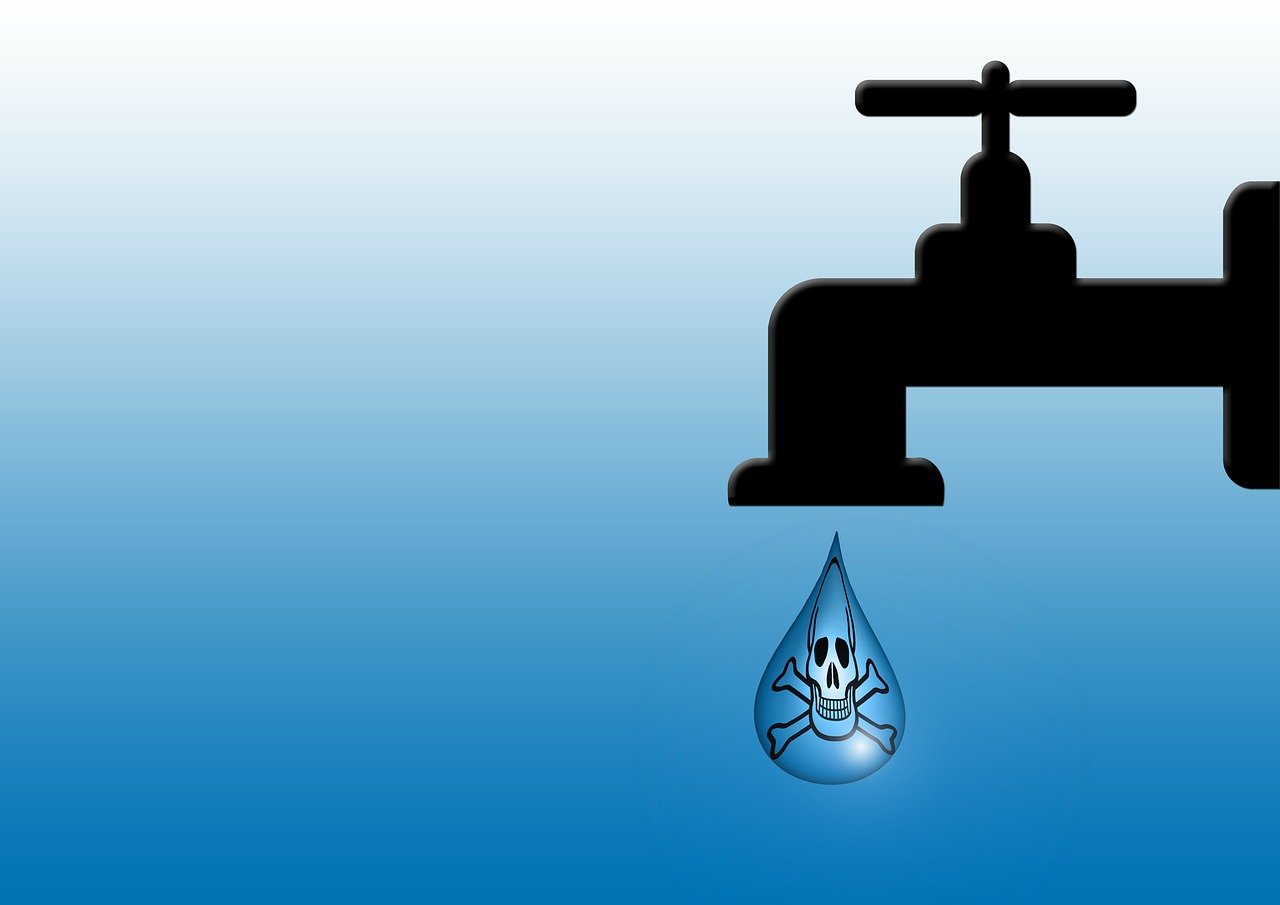

Water Quality and Its Effects on Kidney Function
Water quality plays a crucial role in maintaining kidney function, which is vital for overall health. The kidneys filter waste from the bloodstream, regulate electrolytes, and maintain fluid balance. Poor water quality can introduce harmful substances into the body. For healthy kidney function, it is essential to drink high-quality, clean water. Contaminants such as heavy metals, pesticides, and bacteria can impair kidney function, leading to potential health issues. Chronic exposure to these harmful substances may result in toxic build-up, making it harder for kidneys to perform efficiently. Filtering systems, and proper water treatment, are necessary to ensure water purity. Regular water testing can help identify contaminants, allowing for necessary measures to improve water safety. Additionally, replacing old pipes can prevent lead and copper contamination, which can severely affect kidney health. In conclusion, maintaining high water quality is imperative for kidney function and overall well-being. Detoxifying the kidneys through proper hydration with safe water will protect against damage and promote optimal functioning. Make sure to prioritize drinking quality water to support your kidneys and overall health needs.
The relationship between water and kidney function is complex and significant. The kidneys need adequate hydration to function properly and maintain their filtering role. Water aids in the excretion of waste products and excess substances. When you do not consume sufficient water, the kidneys conserve water, leading to concentrated urine. This scenario can contribute to kidney stones and urinary tract infections (UTIs). Changes in urine color can indicate hydration levels, where dark yellow suggests dehydration. Staying hydrated helps prevent the formation of kidney stones and maintains an efficient urinary flow. Furthermore, drinking enough water can lower the risk of developing chronic kidney disease (CKD). It is essential to listen to your body’s hydration signals and drink at least eight glasses of water each day, especially when engaging in physical activities or living in hot climates. Remember that individual hydration needs vary based on age, weight, and activity levels. Keeping a water bottle handy can encourage increased water intake. Implementing reminders or tracking apps can also ensure you meet your hydration goals daily. Ultimately, proper hydration is a vital contributor to kidney health.
Water contaminants pose significant risks to kidney health, with various substances affecting filter efficiency. Heavy metals, like lead and mercury, can be detrimental and cause kidney damage. High levels of minerals such as calcium and oxalate can promote kidney stone formation, leading to severe pain and health complications. Microbiological contaminants, including bacteria and viruses, can also result in infections and inflammation. Chlorine and other chemicals used in water treatment may also affect kidney health negatively when consumed over long periods. Treatments such as reverse osmosis can minimize contamination risks and improve overall water quality. Regularly checking for contaminants in your drinking water can provide crucial insight into your health. Many local health departments offer free water testing kits, which can help monitor contaminant levels. Taking proactive steps to ensure clean drinking water is essential for flushing waste and detoxifying the kidneys. Collections of alternative water purification methods can further enhance water safety. Maintaining a high standard of water quality can positively impact your kidneys, leading to better filtration and lower risks of chronic issues.
Water Intake Recommendations
To ensure kidney health, adequate water intake is necessary, but how much is enough? While the common guideline suggests eight 8-ounce glasses of water daily, individual hydration needs vary. Factors such as age, weight, physical activity, and climate influence these needs significantly. An active person in a hot climate might require more water due to sweat loss. Moreover, foods we consume contribute to our overall hydration; fruits and vegetables, such as cucumbers and watermelon, are high in water content. It’s essential to pay attention to your body’s hydration signals. Thirst is a reliable indicator, signaling when water intake is needed. Additionally, regular fluid consumption throughout the day is crucial, rather than consuming large amounts at once. Make it a habit to drink a glass of water with every meal and snack. Using reminders on your smartphone can help promote consistent water intake. Including herbal teas can also hydrate without negative effects on kidney function. Keeping track of your hydration can encourage reaching your daily goals, which may ultimately lead to improved kidney function.
Hydration is particularly vital for individuals with pre-existing kidney conditions such as hypertension or diabetes. These conditions can lead to kidney damage, making adequate hydration even more necessary. Drinking enough water helps maintain blood pressure levels and supports healthy blood sugar management. According to expert guidelines, patients should consult with healthcare professionals to define personalized hydration targets. It is vital for these individuals to remain vigilant about their water intake and hydration status. Understanding the specifics of your health condition allows for better hydration practices tailored to personal needs. For example, renal patients may need to monitor electrolyte levels, requiring specialized water recommendations. Choosing low-sodium and low-potassium bottled water can be beneficial. Additionally, patients on medication for kidney-related issues may need greater hydration to support drug excretion. Consulting with a registered dietitian can be invaluable for managing hydration in these cases. Educating yourself on various hydration sources, such as low-sugar beverages, can also aid in achieving hydration goals. Ultimately, taking intentional actions to ensure proper hydration can greatly benefit kidney health.
Conclusion: The Importance of Clean Water
In conclusion, water quality and intake are fundamental to maintaining proper kidney function. The kidneys play an integral role in filtering and detoxifying the body, making it essential to provide them with clean, safe water. Contaminated water can lead to serious health consequences, underscoring the importance of being proactive about water safety. Investing in water filtration systems can significantly enhance water quality, providing peace of mind regarding what you consume. It’s imperative to monitor the sources of your water, including drinking from urban taps or natural springs. Furthermore, education about the risks of poor water quality should promote public awareness. Simple practices, such as boiling water or using water purification methods, can minimize contamination risks. Ultimately, prioritizing both water quality and adequate hydration can significantly enhance kidney function and overall health. Regular check-ups with healthcare providers can help track kidney health, making timely interventions possible if problems arise. By developing consistent habits centered on hydration and safe water consumption, we can support our kidneys and improve our quality of life in the process.
In addition to focusing on hydration and water quality, lifestyle factors must also be considered in promoting kidney health. Eating a balanced diet rich in fruits, vegetables, whole grains, and lean proteins can complement hydration efforts. Limiting processed foods, excessive salt, and sugars will also support kidney function. Engaging in regular physical activity can improve the overall health of the kidneys. Furthermore, maintaining a healthy weight plays a critical role in preventing kidney problems. Regular check-ups and lab tests can help monitor kidney health and detect potential issues early on. An adequate sleep schedule contributes significantly to optimal kidney function as well. Stress management techniques, such as meditation and yoga, can also promote kidney well-being. It is essential not only to focus on water quality and intake but also to create a holistic approach to support kidney health. Sharing this knowledge with others can further promote effective kidney health practices within communities. Encouraging loved ones to stay hydrated and consume high-quality water can improve public health. By implementing these comprehensive strategies, we can work towards overall kidney health and a better quality of life.
Water intake is essential for everyone, but understanding the importance of water quality is vital. Contaminated and poor-quality drinking water can have far-reaching effects on kidney function. The filtration process that the kidneys perform requires clean water to operate smoothly. Additionally, contaminated water may lead to chronic diseases affecting the kidneys over time. Factors such as environmental pollutants can introduce toxins into water supplies, raising health concerns over long-term exposure. Being informed about these risks allows consumers to make educated decisions about water. Regular consumption of purified water is one way to reduce exposure to toxic substances. Home filtration systems can make tap water safe and eliminate unwanted contaminants. It is also advisable to stay informed about local water quality reports, which can highlight potential risks. For many, switching to bottled water is a safe alternative for hydration. Always look for trusted sources and brands when selecting bottled water. Finally, educating oneself about government safety standards and regulations on water quality might also contribute to better water choices. Prioritizing clean water sources benefits kidney health and ensures a healthier lifestyle overall.