
HIIT Equipment Options: Bodyweight vs. Machines
High-Intensity Interval Training, or HIIT, has revolutionized the fitness landscape due to its efficiency and effectiveness. One crucial aspect of HIIT is the type of equipment used during workouts. Depending on individual goals, preferences, and available resources, people can choose between bodyweight exercises or utilizing various machines. Bodyweight exercises often focus on using one’s own mass for resistance, making HIIT highly accessible without the need for a gym or special equipment. Exercises like burpees, push-ups, and squat jumps are ideal for bodyweight HIIT workouts. Alternatively, machines such as stationary bikes, treadmills, or rowing machines provide significant resistance and often help in achieving specific fitness goals. Each equipment type has its benefits and drawbacks, which can significantly impact the effectiveness and pleasure of the workouts. As one explores options, it is essential to understand how to incorporate both types to maximize gains through supplementation. Weighing the value of machines versus bodyweight exercises can lead to a more customized training regimen for both beginners and experienced fitness enthusiasts alike. The key is to find what resonates and effectively drives progress towards personal fitness goals.
In the realm of fitness, understanding the distinction between bodyweight exercises and machines is vital when developing a HIIT routine. Bodyweight exercises offer incredible versatility, allowing for modifications based on personal strength levels. For instance, pushing oneself to perform several push-ups can lead to impressive strength gains over time. These types of workouts can easily shift according to energy levels and fitness goals. Machines, on the other hand, offer targeted resistance that can enhance specific muscle groups. This targeted approach often yields quick results, especially for those looking to build strength and endurance. During HIIT workouts, the quick-switching intervals challenge both aerobic and anaerobic energy systems, ultimately maximizing calorie burning within a compressed timeline. However, integrating machines into a HIIT routine can lend itself to greater control over workout intensity. This can be beneficial for those recovering from injuries or beginners still building their foundation. In any case, recognizing the unique contribution of each to a well-rounded fitness regimen ensures optimal results. Understanding one’s goals will help determine which tool will be best suited for the job.
Advantages of Bodyweight Training in HIIT
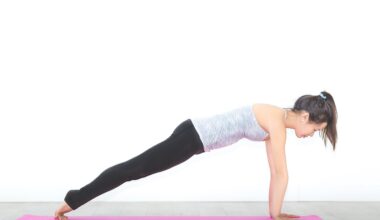
Bodyweight training offers several advantages that make it an appealing choice for many engaging in HIIT routines. First and foremost, bodyweight workouts require minimal or no equipment; this accessibility encourages more individuals to start their fitness journey. Many exercises can be performed anywhere, allowing for flexibility in scheduling and locations where workouts can take place. Additionally, bodyweight workouts can be adapted to suit different fitness levels, providing a customizable approach that caters to both beginners and advanced practitioners alike. Another significant advantage is the focus on engaging multiple muscle groups simultaneously; this functional training enhances overall body coordination and stability. Bodyweight exercises tend to prioritize movements that mimic daily activities, offering practical benefits beyond just aesthetics. Furthermore, they promote improved cardiovascular endurance while simultaneously building strength. Studies indicate that participants burning calories during intense bodyweight HIIT sessions can achieve remarkable results in weight loss and fitness progression. Despite the lack of external equipment, the effectiveness of bodyweight training can be staggering due to its scalability and engagement of the whole body throughout the workout.
While bodyweight training possesses numerous benefits, it is essential to consider the unique advantages of using machines within a HIIT framework. Machines can provide a more guided experience, reducing the risk of injury for beginners uncertain about proper form and technique. This aspect can be incredibly valuable for those new to exercising or recovering from an injury, as machines often offer adjustable settings to accommodate various fitness levels. Another advantage of machines is the focused resistance training they provide, allowing users to target specific muscle areas that may require additional attention. In the case of HIIT, incorporating machines can lead to an increased variety in workout routines—keeping things fresh and engaging. Facilities equipped with advanced machines often have features that track heart rate and calories burned, providing immediate feedback to optimize workouts. This information allows participants to make informed decisions regarding their effort levels. Furthermore, dialing up the resistance on machines encourages muscle growth through progressive overload, a key component in achieving fitness gains. Thus, integrating machines into HIIT significantly contributes to achieving personalized fitness outcomes, adaptable to what each individual seeks in their workouts.
Combining Bodyweight and Machines for Optimal Results
For individuals aspiring to maximize their HIIT gains, finding the right balance between bodyweight exercises and machines can yield exceptional outcomes. A hybrid approach blends the accessibility of bodyweight workouts with the targeted strength development machines can provide. For example, alternating between a series of burpees and intervals on a stationary bike creates a challenging yet comprehensive fitness routine. Alternating workouts not only promotes muscle engagement but also keeps enthusiasm high by introducing variety. In a well-structured session, performing 30 seconds of intense bodyweight work followed by a cardio machine interval offers a unique shared benefit: both aerobic and anaerobic conditioning are enhanced. Additionally, this combination can prevent workout monotony, thus encouraging ongoing commitment to fitness goals. Incorporating dynamic stretching during transitions between exercises also helps improve flexibility and mobility, which many individuals may overlook. Engaging in a well-rounded routine draws on the strengths of both methods while enabling users to harness the benefits present in each training modality. With a customized plan in place, participants are empowered to make meaningful progress on their fitness journey.
Along the journey of crafting a successful HIIT program, it’s crucial to establish clear goals tailored to individual needs. Some may seek weight loss, while others might focus on muscle building or improving endurance. Recognizing personal objectives can help inform the choice between bodyweight exercises, machines, or an effective blend of both to satisfy desired outcomes. Taking advantage of both methods can also promote adaptability; participants can modify their routines based on energy levels or equipment availability on any given day. Furthermore, understanding one’s body can make it easier to gauge recovery times, ensuring a balanced approach promoting ongoing progress without burnout or injury. Listening to what the body communicates will guide decisions on workout intensity and frequency. Gathering insights from progress tracking may further illuminate the effectiveness of combining equipment types, helping refine approaches over time. Celebrating milestones—whether they involve increased repetitions, improved cardio capacity, or specific weight loss achievements—reinforces commitment to fitness aspirations and progress. By focusing on personal goals, individuals strengthen their resolve to not only sustain their HIIT journey but also excel in spite of challenges faced along the way.
Final Thoughts on HIIT Equipment Choices
Choosing the right equipment for a HIIT regimen ultimately hinges on individual preferences and goals. Whether selecting bodyweight exercises, machines, or a blend of both, understanding the unique advantages and challenges of each choice empowers personal growth. This process involves acknowledging one’s training environment and available resources, along with considering how each method aligns with fitness aspirations. Neither bodyweight workouts nor machines are inherently superior; rather, the effectiveness emerges from how aptly they are integrated into personalized training protocols. For optimal results, individuals may benefit from a flexible mindset, where one can easily transition between training methods depending on situational factors. Engaging regularly in HIIT provides significant improvements in cardiovascular fitness, muscular endurance, and overall physical capability. Seeking communities, classes, or complementary resources can also offer valuable camaraderie for motivation and support. As fitness journeys continue, staying adaptable ensures participants are well-equipped to meet the challenges they encounter. Building this diverse arsenal of workout techniques contributes to more dynamic, enjoyable workouts—ultimately leading to sustained commitment on the road toward fitness excellence.
In conclusion, understanding HIIT and exploring the various equipment options plays a critical role in achieving success in fitness endeavors. Engaging entirely with both bodyweight workouts and machines can create a robust training toolkit for individuals keen on maximizing their workouts. Regardless of which route chosen, the essential component remains commitment and consistency in pursuing fitness goals. The adaptability of HIIT enables participants to keep their training varied and energizing, which is crucial for long-term success. As people embark on their fitness journeys, they should prioritize discovering what works best for them, ensuring enjoyable and satisfying experiences at every level. Both bodyweight exercises and machines offer unique benefits, so why not blend them for a more comprehensive approach? With determination and a planned strategy in mind, embarking on a HIIT journey can turn aspirations into realistic accomplishments. Ultimately, fostering a positive mindset will ensure fitness remains an integral part of everyday life, leading to enhanced physicality and overall well-being. In the end, no matter the preferred equipment or exercise style, a passionate commitment to personal progress stands tall as the hallmark of any effective HIIT regimen.