
Natural Supplements to Support Strength Gains in Older Adults
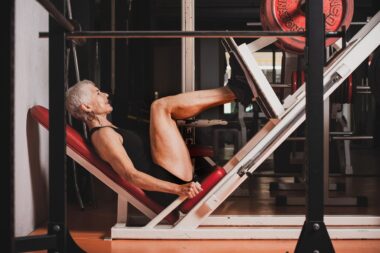
As we age, our bodies undergo various changes that can impact muscle mass and strength, making it essential to explore options for maintaining physical fitness. Strength training for older adults has been shown to improve overall health, enhance mobility, and decrease the risk of injuries. Combining strength training with specific natural supplements can help enhance these strength gains. Many older adults find that integrating natural dietary aids can support their workouts effectively. These supplements are generally well tolerated and can be combined with a standard exercise regimen to improve results. Some popular supplements that aid strength gains include protein powder, creatine, and beta-alanine, among others. These supplements work to enhance recovery and performance during workouts while also supporting muscle repair. It is crucial for older adults to consult healthcare professionals before starting any new dietary supplement to ensure safety and suitability. In this article, we’ll dive into several natural supplements that are believed to support strength gains for older individuals, providing a concise overview highlighting benefits, usage, and considerations.
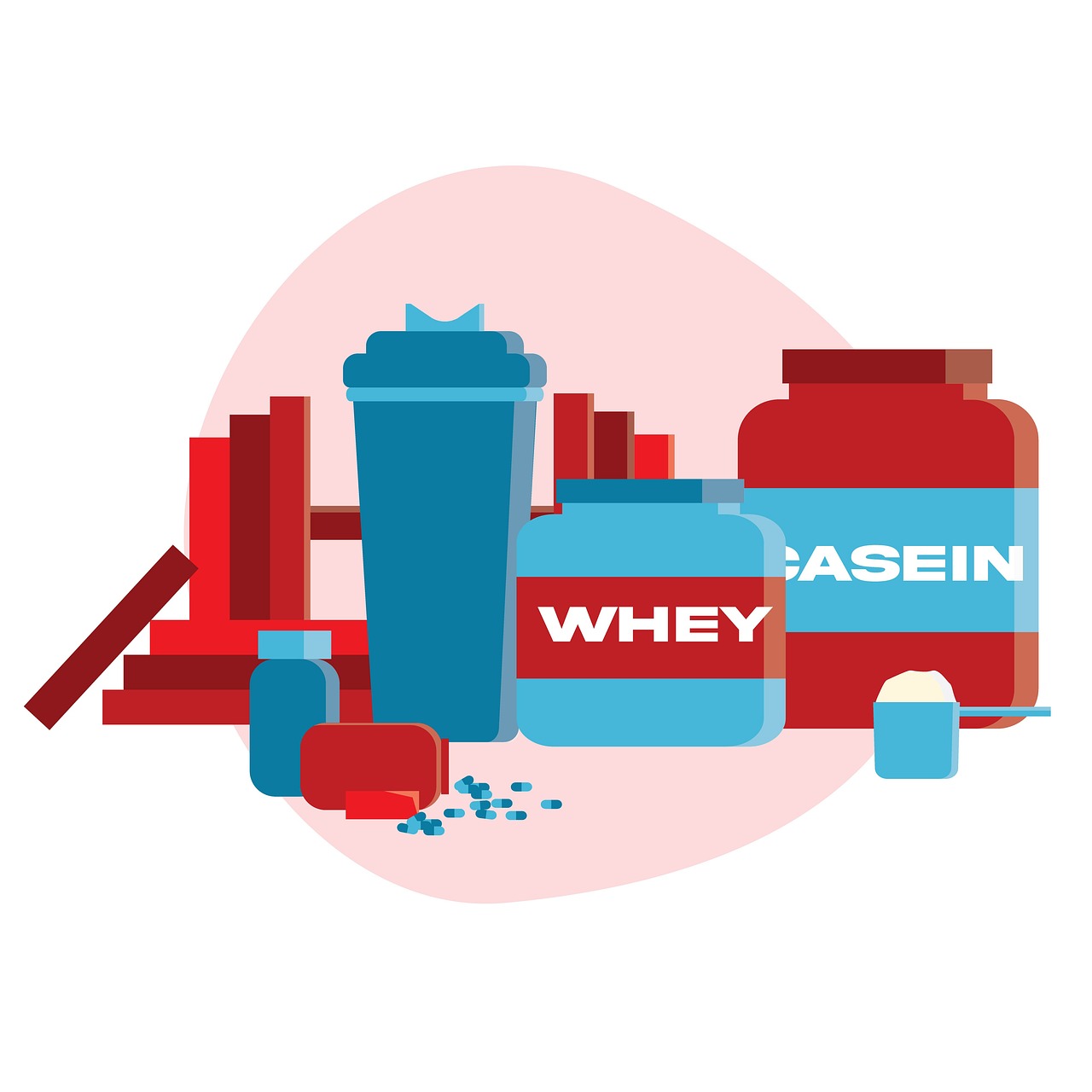
Protein is fundamental to muscle health and strength, playing a critical role in muscle repair following exercise. As individuals age, their protein synthesis processes may decline, making it necessary to consume adequate protein levels daily. Whey protein, casein, and plant-based protein supplements are excellent options that older adults can consider. These protein sources can help stimulate muscle growth when combined with exercise. It is vital to monitor protein intake closely, aiming for approximately 1.2 to 2.0 grams of protein per kilogram of body weight daily. Older adults incorporating protein supplements into their diets may experience better recovery and enhanced strength gains following resistance training sessions. Moreover, being mindful of the types of protein consumed can also contribute to overall health. It’s best to choose high-quality protein sources, considering levels of amino acids, especially leucine, which is vital in activating muscle protein synthesis. Always ensure to balance protein intake with regular strength training to maximize benefits. In the following sections, we’ll explore more natural supplements that can complement older adults’ strength training programs effectively.
Creatine: A Game Changer for Older Adults
Creatine has gained popularity as a powerful supplement among athletes, and its benefits extend to older adults as well. It assists in enhancing strength, muscle growth, and exercise performance. As we age, natural creatine levels in the body diminish, making supplementation a useful strategy to counteract this decline. Studies have shown that older individuals who supplement with creatine may witness improvements in muscle mass, strength, and exercise capacity. Generally, users can take about 3-5 grams of creatine daily to yield notable results. Employing creatine alongside resistance training can maximize strength benefits, resulting in positive impacts on overall physical performance. Regular usage combined with a structured exercise regimen can lead to substantial improvements in muscle power as well. It is essential to stay well-hydrated when taking creatine, as dehydration could reduce its efficacy. Older adults may want to consult healthcare professionals to discuss potential interactions, especially those with pre-existing medical conditions. In the subsequent paragraph, we’ll discuss another notable supplement aimed at supporting strength gains in older populations.
Beta-alanine is another promising supplement for older adults engaged in strength training, particularly due to its role in improving exercise performance. As a non-essential amino acid, beta-alanine functions by increasing muscle carnosine levels, which can help buffer acid buildup in muscles during workouts. This results in enhanced endurance and reduced fatigue, allowing older individuals to engage in more strenuous exercise without compromising their performance. Consuming beta-alanine regularly may lead to improved strength gains while also increasing overall training volume. Recommended dosages typically range from 2 to 5 grams per day, spread over several servings to minimize potential side effects like tingling sensations. It is crucial to maintain consistent supplementation for effectiveness. Older adults should consider combining beta-alanine with their existing strength training programs to optimize results. Pairing supplements with healthy diet choices, including whole foods rich in nutrients, can further support muscle health. Keep an eye on hydration and ensure proper nutrition to aid muscle recovery as well. Next, let’s delve into herbal supplements that can also benefit strength training.
Herbal Supplements: Supporting Strength through Nature
Herbal supplements have found their place in supporting various health aspects, including strength training among older adults. Several herbs, such as ashwagandha and ginseng, may help improve physical performance and muscle strength. Ashwagandha, popular in Ayurveda, has been associated with increased strength levels, muscle mass gains, and reduced exercise-induced stress. Studies suggest that regular supplementation can lead to significant benefits, particularly when combined with resistance training programs. Another notable option is ginseng, which has been used traditionally to enhance physical performance and reduce fatigue. Moreover, it can help support energy levels and mental clarity, boosting overall workout efforts. Dosing for these herbal supplements can vary, so it’s crucial to follow the manufacturer’s guidelines or engage healthcare providers for personalized advice. As with any supplement, it is necessary to assess your responses and track any side effects. To ensure maximum benefits, combine these herbs with healthy lifestyle choices and a balanced diet, supporting overall well-being. In the next section, we will explore one more category of supplements that may benefit strength.
Omega-3 fatty acids are well-regarded for their anti-inflammatory properties and signal numerous health benefits, including potential support in muscle health for older adults. These healthy fats, found in fish oil or algal oil supplements, may contribute positively to muscle function and strength, particularly in aging populations. Regular consumption of omega-3 fatty acids can reduce muscle protein breakdown and subsequently promote greater strength gains when combined with exercise. Additionally, omega-3s can help minimize post-exercise soreness and stiffness, enabling a quicker recovery. Experts recommend aiming for a daily intake ranging from 250 to 500 mg of EPA and DHA combined. Incorporating omega-3 fatty acids into your diet provides a myriad of health benefits besides supporting strength training. Be sure to pair this supplement with a balanced diet and regular resistance training to optimize results. Consulting with healthcare providers before starting any supplementation, especially for those with certain medical issues, is vital. When done correctly, utilizing omega-3 supplements wisely can contribute positively to an older adult’s overall strength journey. Next, we will briefly address some important considerations regarding supplementation.
Important Considerations for Supplementation
While natural supplements can significantly support strength gains in older adults, it’s essential to approach supplementation with careful consideration and awareness. It is crucial to evaluate individual needs, goals, and health conditions when incorporating new supplements into your regimen. One must acknowledge the importance of a well-rounded diet, as whole foods should remain the primary source of nutrients. Supplements should enhance a balanced diet rather than replace it. Additionally, ensure to monitor for any adverse reactions or interactions with existing medications. Consulting with a healthcare professional before introducing supplements into your routine is a smart way to assess potential risks and benefits tailored to your unique circumstances. Keep in mind that results will vary among individuals, and regularly assessing overall progress can help inform future adjustments or modifications. Enjoying a consistent strength training regimen is equally important in conjunction with any supplementation to promote muscle health effectively. Ultimately, this holistic approach, combining diet, exercise, and supplements, will lead to improved strength and overall health for older adults.
In conclusion, the integration of natural supplements into strength training can greatly support older adults in achieving strength gains and maintaining muscle health. Prioritize nutrition, hydration, and consistency when embarking on any strength training journey, while being open to exploring which supplements work best for you. From protein and creatine to herbal and omega-3 options, multiple choices are available that can complement strength training efforts. Always consult with healthcare professionals before making changes to your routine or introducing new supplements, ensuring that they align with your individual requirements. Aging does not have to mean a decline in strength; with the right approach and support, older adults can continue to progress in their fitness journey. Committing to a consistent and balanced approach empowers you to embrace physical activity throughout your life. By prioritizing muscle health and strength training, older adults can foster improved quality of life and mental well-being. Embrace natural supplements sensibly and take proactive steps towards maintaining strength and physical fitness in your golden years.