
Detox Diet Meal Plans for Athletes and Active Lifestyles
Detox diets are increasingly popular among athletes and individuals committed to active lifestyles. These meal plans are designed to remove toxins and promote overall health while providing essential nutrients for performance recovery. A well-structured detox meal plan can enhance energy levels, aid digestion, and improve mental clarity, all crucial for athletes. Traditional detox diets often focus on fruits, vegetables, and whole grains, which are nutrient-dense and facilitate natural cleansing processes. Incorporating foods high in fiber, such as beans, lentils, and leafy greens, ensures effective elimination of toxins while keeping you satiated. Hydration is key to any detox regimen; aim for at least eight glasses of water daily. Consider adding herbal teas or lemon-infused water to enhance detoxification naturally. Some athletes may also choose to incorporate specific supplements tailored to their nutritional needs during detox phases. Consulting a nutritionist before starting a detox diet is advisable to ensure it aligns with personal training goals. By adopting a balanced approach, athletes can enjoy the benefits of detoxification without compromising performance.
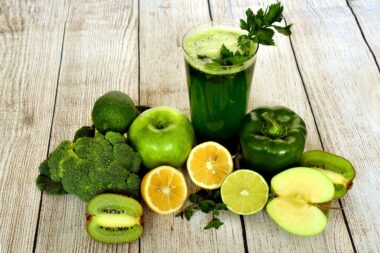
To kickstart your detox journey, begin with a one-day cleanse that allows your body to reset. This introductory phase should focus on consuming whole, unprocessed foods, such as fruits, vegetables, nuts, seeds, and plenty of herbal teas. A sample meal plan for this day could include a green smoothie for breakfast, a hearty vegetable soup for lunch, and a quinoa salad with fresh veggies for dinner. Snacks can include fruit or a handful of almonds. After the initial cleanse, gradually introduce more solid meals, ensuring they’re rich in detoxifying properties. Incorporate complex carbohydrates, lean proteins, and healthy fats to maintain energy levels during workouts. The following days can feature larger meals, prepared with detoxifying spices like turmeric and ginger. Pairing these meals with regular exercise, such as yoga or light cardio, can amplify the detox effects. Keep listening to your body’s hunger signals as you progress through your detox diet, adjusting portion sizes accordingly. Remember that recovery after intense workouts is vital, so choose ingredients that support muscle repair.
Sample Detox Meal Plan for Athletes
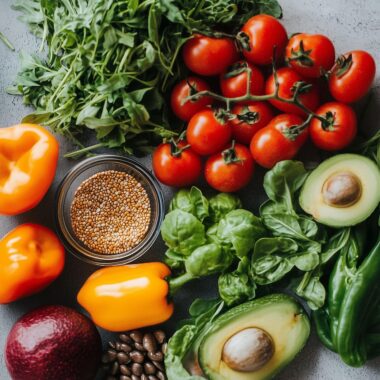
This section presents a structured meal plan tailored for active individuals engaging in a detox diet. The plan contains balanced meals, snacks, and hydration tips that provide adequate energy and nutrients necessary for athletic performance. Starting your day with a nutrient-rich breakfast is vital; consider a smoothie blend of spinach, frozen berries, almond milk, and protein powder. For lunch, a nutrient-dense salad with mixed greens, grilled chicken or tofu, avocado, and a lemon-tahini dressing supplies necessary vitamins and minerals. To fuel your workout, snack on raw veggies or an apple with almond butter later in the afternoon. Dinner could feature a vibrant stir-fry with broccoli, bell peppers, brown rice, and sesame oil, promoting further detoxification. Always incorporate hydration with water or herbal teas throughout the day. Providing variety in your meals will keep your taste buds engaged while ensuring nutrients are adequately met. Additionally, avoid processed foods and added sugars, focusing instead on natural sources of energy. Stick to this meal plan for a week to experience heightened recovery and performance levels.
Proper hydration during a detox is essential for maintaining performance and health. Drinking adequate fluids helps transport nutrients and flush out toxins effectively. Aim for a blend of water, herbal teas, and electrolyte-rich beverages post-workout. Electrolyte beverages can replace minerals lost during training sessions, ensuring you’re balanced and energized. Coconut water is a great natural alternative. It is a hydrating option that replenishes lost minerals while offering a slight sweetness. As vital as hydration is, also pay attention to the timing of your fluids. Drinking too much before a workout might cause discomfort; it’s better to hydrate well in advance. During your detox period, consider incorporating detox waters infused with cucumber, mint, or lemon, as they not only hydrate but also add a refreshing taste. This can aid in digestion and boost metabolism. Remember to adjust your fluid intake based on the intensity and duration of your workouts. Monitoring your hydration levels will help keep you on track and optimal. If intense workouts leave you fatigued, re-evaluate fluid intake alongside meal quality.
Tips for Success on a Detox Diet
Staying committed to your detox diet can be challenging, especially for those with busy, active schedules. Preparation is critical for success. Planning meals in advance ensures that nutritious options are readily available, minimizing the temptation to opt for unhealthy choices when hunger strikes. Batch cooking on weekends can save time and effort during the week. Store pre-made portions in the fridge for easy access. Additionally, keeping healthy snacks on hand, such as dried fruits or homemade energy balls, can curb cravings while supporting detox efforts. It’s also important to practice mindfulness during meals; eating slowly and without distractions can enhance digestion and satisfaction. This practice promotes awareness of bodily cues about hunger and fullness. Seeking support from fellow athletes or friends embarking on similar detox journeys can create motivation. Utilizing social media platforms or fitness forums to share your progress may reinforce dedication. Finally, monitor how your body reacts to different foods and adjust your meals to fit personal preferences. A flexible yet mindful approach ensures adherence to the detox while maintaining enjoyment of food.
As you progress through your detox plan, listening to your body becomes paramount. Everyone’s response to detox diets varies, making it essential to assess personal wellness regularly. If fatigue or discomfort arises during your plan, consider modifying it by increasing nutrient-dense foods. Ensure that your meals contain a balanced mix of carbohydrates, proteins, and fats while incorporating detoxifying ingredients. Feel free to experiment with particular foods that resonate with you, embracing a flexible approach rather than rigid adherence to specific foods. Pay attention to your energy levels during workouts and recovery periods, adjusting your fuel sources accordingly. Tracking your detox journey through journaling could offer insights into which foods work best for your unique needs. Journaling allows for motivation and self-reflection, enabling clarity surrounding triggers or challenges faced. Remember that the ultimate goal is improved well-being and enhanced performance. Post detox, transitioning back into regular eating can still include many of the nutritious foods enjoyed during the detox phase. The aim is to maintain those health benefits while supporting ongoing fitness endeavors. Focus on sustaining healthier choices for a lasting impact.
Conclusion: Embracing a Detox Lifestyle
Adopting a detox diet, particularly for athletes and those committed to active lifestyles, can yield substantial benefits. Not only does a properly planned detox meal offer a reset for the body, improved digestion, and boosted energy, but it can also promote a sense of overall well-being. Athletes can learn to fuel their bodies with nutrient-dense foods, incorporating a variety of flavors while supporting performance goals. By keeping meals diverse and interesting, maintaining energy levels becomes achievable throughout workouts. Being mindful of hydration, meal preparation, and personal preferences further enhances the detox experience. An essential part of ensuring success includes listening to body cues and approaching meals flexibly. After completing your detox, consider how to integrate delicious and nutritious foods into your regular diet promised by detox meals. Gradual incorporation often leads to sustainable lifestyle changes. Engaging in a detox lifestyle doesn’t need to remain a temporary event but can become a regular practice that nurtures body and mind. By promoting wellness and self-care, athletes can ensure long-term improvements in performance, health, and vitality.
Regular engagement in detox practices can provide an ongoing sense of clarity and vitality. Whether preparing for a specific event or simply seeking to enhance overall well-being, tailoring detox meal plans to individual needs can lead to lasting improvements. It’s essential they become part of a harmonious lifestyle that incorporates regular exercise, adequate rest, and positive mental health practices. Encourage authenticity in your nutritional journey as you explore how you treat your body and what it craves. Consult professionals when unsure about food choices or during challenging phases. Working with a registered dietitian can provide personalized guidance, ensuring an athlete’s performance isn’t compromised while benefiting from detox diets. Extend the concepts of detox beyond meals; consider lifestyle adjustments such as minimizing environmental toxins and embracing stress management techniques. Create environments that encourage relaxation and rejuvenation. Through integrating holistic health principles, you can cultivate an empowered, balanced approach toward health goals. Ultimately, a detox diet can serve not just as a temporary measure but as an ongoing commitment to maximizing health and athletic potential.