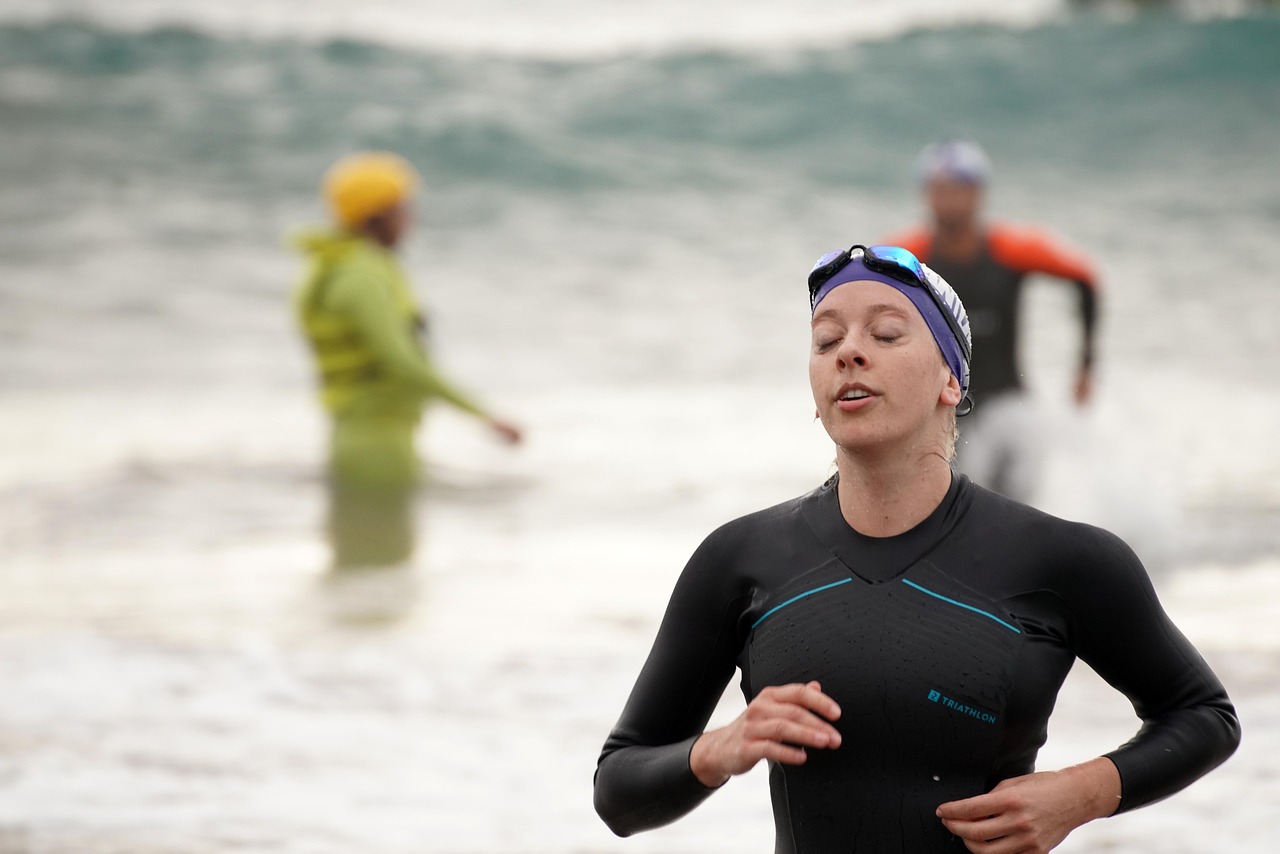

Strength Training Tips for Improving Triathlon Power and Endurance
To excel in triathlon, strength training is crucial. Focusing on lower body strength enhances running and cycling power, contributing to better overall performance. Incorporate squats and deadlifts, which engage multiple muscle groups. Utilizing your core during these exercises improves stability and endurance. Aim for two to three strength sessions weekly, balancing them with swim, bike, and run workouts. For beginners, consider using bodyweight exercises before adding weights. Progression is vital; gradually increase resistance or complexity to avoid plateaus. Additionally, integrating plyometric exercises such as box jumps can improve explosive power. Resistance bands are effective tools for strengthening muscles and enhancing versatility. Don’t overlook flexibility training; it complements strength efforts, preventing injuries and promoting longevity in your training. As muscles become stronger, incorporating functional movements prepares your body for the demands of triathlon. Recovery should not be underestimated; allow muscle groups ample rest to heal between workouts. Ultimately, a well-rounded approach combining strength, endurance, and flexibility leads to remarkable improvements in performance. Consistency and determination are key components to achieving your athletic goals. Embrace strength training and watch your triathlon capabilities transform.
Creating Your Strength Training Schedule
Your strength training schedule must accommodate swim, bike, and run sessions. Prioritize scheduling around your triathlon events, allowing for adequate recovery. Consider dividing strength workouts into upper and lower body days for balance. Each session should last approximately 45 minutes to 1 hour, fitting it seamlessly into your week. Focus on compound movements, which boost overall strength efficiently. Schedule strength training sessions on days when you have lighter endurance workouts planned, ensuring you maintain energy levels for both. Monitor your fatigue and adjust based on feelings; if soreness accumulates, reduce intensity or frequency temporarily. Remember, quality over quantity is essential; focus on proper technique rather than lifting heavy weights. Integrating mobility work before and after your strength sessions will enhance overall performance. Alternate between high-intensity and lower-intensity workouts, allowing for variation. Incorporate active recovery days to preserve your progress and improve performance. Lastly, keep track of your workouts, noting increases in weights, repetitions, or sets to stay motivated. A structured schedule can promote great results over time. Find joy in the process, celebrate milestones, and witness significant advancements in your triathlon journey.
You should always educate yourself on the importance of strength training for triathletes, as it builds a strong foundation for improved performance. Strength training not only enhances muscle power but also optimizes endurance, allowing you to push through longer distances with less fatigue. Explore various strength exercises to target all major muscle groups, ensuring balanced development. Emphasize the significance of focus on your core muscles, which are foundational in stabilizing your body during swimming, biking, and running. Incorporate exercises such as planks, Russian twists, and leg raises to improve core strength. A strong core can lead to better posture and energy efficiency, minimizing energy loss over long distances. Look into the benefits of working with a personal trainer or joining a local strength training group. This can provide accountability and enrich your training experience. Don’t hesitate to seek advice or guidance from seasoned triathletes, whose insights can prove invaluable. Successful strength training often involves trial and error, so be patient with yourself as you explore what works best for you. Adjust your games based on progress and results; flexibility in training is crucial for continuous improvement.
Incorporating Cross-Training
Cross-training can significantly enhance your strength training efforts by engaging different muscle groups and preventing overuse injuries. Include activities like rowing, kickboxing, or aerobics, adding variety to your routine. Participating in diverse activities improves cardiovascular health while maintaining strength potential. Workouts such as yoga improve flexibility, crucial for injury prevention. Also, check out Pilates, which focuses on core stability and muscle endurance, serving as a valuable addition to your schedule. Aim to blend strength workouts with cross-training sessions to maintain your enthusiasm. Maintaining a fresh training environment combats boredom, ensuring motivation remains high. Choose activities that complement your triathlon training, focusing on enhancing performance without compromising recovery. Most importantly, listen to your body and prioritize quality over quantity throughout your workouts. Balance between intensity and recovery keeps you feeling strong and engaged. Experiment with different combinations until you find optimal synergy for your routine. A diverse approach can lead to unforeseen benefits, like improved agility and faster recovery. Keep an open mind and embrace the journey towards triathlon success by diversifying your training practices. With time, dedication, and iterative adjustments, remarkable progress awaits.
Another crucial aspect of strength training for triathlons is nutrition tailored to your goals. Adequate protein intake is necessary for muscle recovery, particularly after intense strength workouts. Incorporate lean meats, legumes, and dairy products to meet your daily protein requirement. Timing your meals around your training sessions enhances performance and recovery. Aim to consume a balanced meal containing carbohydrates, protein, and healthy fats within 30 minutes post-workout. Consider using protein shakes to maintain adequate levels on busy days or before training. Your gluten intake should not be overlooked; rather, carbohydrates play an essential role in replenishing glycogen stores. Examining your pre-workout nutrition will also promote optimal muscular performance. Maintaining hydration levels is equally essential; dehydration can lead to fatigue and hampered training effectiveness. Keep a water bottle handy during workouts and consume electrolyte-rich fluids, especially in hot weather. Pay attention to your body’s signals, adjusting your diet based on your specific needs. Overall, a targeted nutrition plan can significantly affect your training success and plays an essential role in combining effective strength workouts. Stay consistent in both training and nutrition for notable improvements in triathlon endurance and power.
Strength Training Recovery Strategies
Strength training recovery strategies are paramount in achieving optimum performance. Allowing adequate rest between sessions, especially for targeted muscle groups, is essential for muscle growth. Implement recovery techniques tailored to individual needs, including foam rolling and stretching to prevent soreness. Develop a post-workout routine that incorporates both active and passive recovery methods to keep muscles supple. Active recovery can involve light swimming or cycling, promoting blood flow for quicker healing. Utilize ice baths or contrast showers to manage inflammation that may occur after intense workouts. Nutrition also plays a pivotal role in recovery; focus on wholesome, nutrient-dense foods to support muscle repair and overall health. Sleep cannot be overlooked; prioritize quality sleep to facilitate hormonal balance and recovery. As a general guideline, aim for 7-9 hours of sleep per night. Listen to your body, as signs of fatigue indicate it’s crucial to incorporate deload weeks, during which intensity and volume should decrease. Overall, implementing these recovery strategies can maximize your progress and enhance performance in both strength and triathlon disciplines. Prioritizing recovery will ultimately lead to a more successful and enjoyable training journey.
In summary, the role of strength training in enhancing triathlon performance is significant, yielding optimal benefits when incorporated strategically. Focus on building a well-rounded strength training regimen that targets key muscle groups essential for swimming, cycling, and running. A consistent training schedule, complemented by cross-training and proper nutrition, will prepare you for the demands of competition. Pay attention to your recovery strategies to facilitate ongoing improvements and avoid injuries over time. Seek guidance from experienced triathletes or fitness professionals when needed to ensure effective training practices. Make use of performance tracking methods to gauge your progress; this can reveal valuable insights into your strengths and weaknesses. Enjoy the journey of refining your body and expanding your capabilities as a triathlete through strength training. Challenge yourself regularly while remaining adaptable; adjust your training approach based on outcomes and personal feedback. Embrace the mental and physical growth that comes from the world of triathlon. With dedication, discipline, and informed choices, you can unlock your true potential, leading to gratifying achievements and a fulfilling athletic experience.