
Understanding Explosive Power
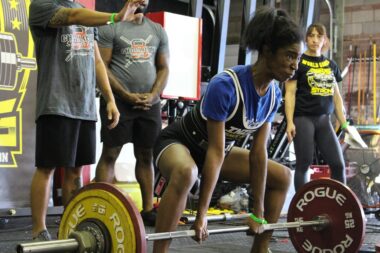
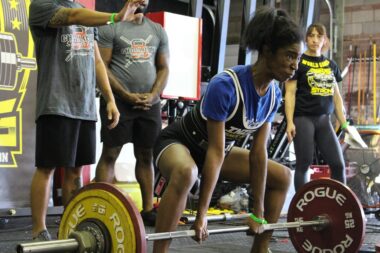
Explosive power is essential for powerlifters aiming to improve their performance. This involves not just the sheer amount of weight lifted but also how quickly one can generate force. Strength training, when properly structured, can significantly enhance your explosive capabilities. To develop explosive power, athletes must focus on specific training techniques that enhance fast-twitch muscle fibers. These fibers are crucial for rapid and powerful movements, essential in performing lifts such as the squat, bench press, and deadlift. Integrating explosive exercises helps teach your body to exert force in a short time span, which translates to better lift performance. Some exercises to consider include Olympic lifts, sprinting drills, and plyometrics. Furthermore, timing plays a critical role in generating explosive power. Lifters should aim to incorporate dynamic effort days where lighter weights are lifted rapidly. Tracking progress in these workouts is important to ensure consistent improvement. Overall, understanding and targeting explosive body mechanics is key to boosting not only strength but also the speed of each lift. Through appropriate programming, athletes can achieve significant gains and enhance overall performance at powerlifting competitions.
One effective way to enhance explosive power is through the inclusion of plyometric exercises into your training routine. Plyometrics serve to improve muscle elasticity and the ability to exert maximum force in minimal time. Exercises such as box jumps, depth jumps, and medicine ball throws are also extremely beneficial. Incorporating these movements at the beginning of your training session can help prime your muscles for explosive lifts. As you practice these exercises, focus on quickness and controlled landings. Utilizing different heights for box jumps and varying the weight of the medicine ball can keep the training stimulating and ensure muscle adaptations. To fully optimize plyometric training, ensure that you’re not over-exerting your body. Adequate rest periods between sets will ensure that you can perform each rep with maximum intensity. Striking a balance between volume and intensity is crucial. If the body fails to recover from previous exertions, performance may decline, leading to potential injury. In sum, when executed correctly, plyometrics play an essential role in developing explosiveness and enhance one’s overall capabilities in powerlifting competitions.
Proper Nutrition for Enhanced Performance
Nutrition is a vital factor in strength training and increasing explosive power. Properly fueling your body with the right nutrients can dramatically affect training outcomes. Athletes should focus on a balanced diet rich in proteins, carbohydrates, and healthy fats. Proteins are essential in muscle recovery and repair, which directly impacts growth and strength. Protein shakes post-workout are an excellent option to accelerate recovery. Meanwhile, carbohydrates are crucial for providing the energy required for explosive workouts and maintaining optimal performance. Quick-digesting carbs, such as fruits or rice cakes, consumed before workouts can offer those energy spikes necessary for intense training. Don’t overlook the importance of healthy fats either, which support hormone production and energy levels. Additionally, maintaining hydration levels is just as critical. Water intake affects muscular function and recovery, directly correlating with performance. Athletes should continuously adapt their diets according to their training schedules and body demands. In summary, a well-rounded nutrition plan focusing on muscle recovery, energy sources, and hydration is fundamental to achieving explosive power and maximizing lift performance.
Incorporating advanced training techniques can also significantly impact explosive power development. One such technique is ‘cluster training,’ which breaks sets into smaller, manageable parts with short rests in between. For example, if you typically perform five reps of a power clean, cluster sets may allow you to complete three reps, rest for 10-15 seconds, and then execute another three reps. This method allows for more force application each rep while minimizing fatigue. Another technique worth exploring is incorporating accommodating resistance, such as bands or chains, into your workouts. This adds variation in the resistance experienced throughout the lift, enhancing strength at multiple points of movement and mimicking the force exerted during explosive actions. Different variations of lifts, such as speed squats with bands or chains, can lead to improved explosiveness. Additionally, be mindful of the volume and intensity of each session. Personalizing your program to fit your needs will optimize results and promote ongoing adaptation. Adopting these techniques seriously impacts an athlete’s lifting capabilities by improving both power and speed needed for successful competition lifts.
Importance of Technique in Lifts
While strength and power are crucial, lifting technique can’t be overlooked by aspiring powerlifters. Proper lifting technique not only promotes safety but also enhances efficiency and explosiveness during lifts. For example, when performing a squat, ensuring that your knees track over your toes and keeping your chest upright contribute to better power transfer through the legs. In a deadlift, focusing on proper back alignment and hip positioning is critical for generating maximum force. Lifters should spend time refining their mechanics, as poor technique may limit the ability to lift heavier weights and increase explosiveness. Working with a coach or experienced lifter can provide valuable feedback and necessary corrections. Filming your lifts can further help identify technical flaws that could hinder performance. Incorporating drills can improve stability and proprioception relating to each lift. Consider utilizing position-specific movements, like pause squats or deadlifts, to reinforce correct patterns and strengthen weak links in technique. The journey towards lifting success is as much about technical prowess as it is about building strength and explosive power. Investing time in refining technique will yield dividends when attempting to perform at a competitive level.
Recovery plays an equally crucial role in enhancing explosive power for powerlifters. Many athletes overlook the significance of proper recovery as a vital component in strength training. Allowing your muscles adequate time to recover and adapt is essential for making consistent gains. This includes implementing strategies like active recovery days, where lighter activity enhances blood flow without stressing the muscles. Techniques such as foam rolling or utilizing massage can further aid in muscle recovery, alleviating soreness and improving mobility. Furthermore, quality sleep is just as important. Aim for 7–9 hours of uninterrupted sleep each night, as this is when the body undergoes the most repair and rejuvenation. Prioritizing sleep hygiene, such as maintaining a regular sleep schedule and creating a restful environment, can significantly impact recovery outcomes. Nutrition also ties closely to recovery, as consuming nutrients post-workout aids muscle repair. Remember to include a blend of carbohydrates and proteins for optimal results. By respecting the recovery processes, lifters can ensure their bodies are primed for explosive lifts and additional training sessions, thereby enhancing overall performance as they prepare for competitions.
Conclusion and Long-term Strategy
In summary, increasing explosive power in strength training requires a multifaceted approach. Combining explosive drills and plyometric exercises with a well-structured diet forms the foundation for improving performance. Additionally, prioritizing technique and employing advanced training strategies can significantly benefit athletes looking to enhance their explosive capabilities. Recovery strategies should never be overlooked, as they feed into ongoing progress and empowerment in lifting. Lifters should take a systematic approach, regularly assessing their performance while adjusting their routines as necessary. Consulting with fitness professionals can also provide novel insights and support in achieving set goals. Remember that growth is a journey; maintaining a long-term outlook will ensure sustained development. As strength athletes implement these insights into their training regimen, they can expect to not only boost their numbers but achieve personal records in powerlifting competitions. By focusing on explosive power, athletes will maximize their potential and command impressive lifts on the platform, contributing to increased overall success in their powerlifting journey.
Always maintain a healthy mental outlook, embracing challenges as they arise. Resilience is a powerful trait for enthusiastic lifters. Engage with the powerlifting community for support and motivation, as creating connections fosters personal growth. In coming to terms with the ups and downs of training, it becomes paramount to celebrate smaller milestones along the way. Such celebrations keep spirits high and cultivate an environment ripe for achievement. Learn to adapt and stay open to changes in your training approach as needed, ensuring a love for the sport remains intact. Ultimately, making informed choices, maintaining a consistent practice, and fostering a passion for the craft of lifting, will lead to explosive power gains and enhanced performance on the platform. Embrace the journey ahead with patience and dedication, resulting in transformational changes in strength and performance. Let each workout remind you of the progress you’re making, both physically and mentally, towards your powerlifting goals. With discipline and commitment, there is no limit to what one can achieve in strength training and explosive power development.