
Advanced Marathon Training Techniques Using Apps
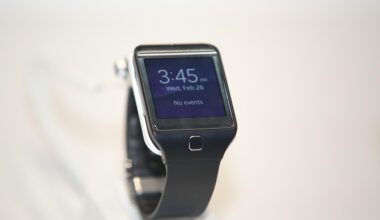
Marathon training has evolved significantly, integrating technology to enhance performance and efficiency. Among these, mobile apps stand out as a powerful resource for runners. They offer structured training plans, track progress, and provide personalized coaching tailored to individual needs. Popular examples like Strava and Runkeeper allow athletes to monitor their pace, distance, and heart rate in real-time. By leveraging data analytics, these tools help set achievable goals while preventing injuries. Another standout feature is community engagement, fostering a sense of camaraderie among runners. Connecting with fellow athletes through challenges and leaderboards motivates users to stay committed. Customization is key; many apps enable users to select their desired training intensity and duration. Furthermore, they provide important feedback on performance metrics. In the fast-paced world of marathon training, having an app that syncs with wearable technology can streamline the training experience. Many apps connect with devices like fitness trackers and smartwatches, enhancing the accuracy of data collected. In conclusion, marathon training apps revolutionize how athletes approach their fitness journeys, ensuring they remain focused and informed throughout their training.
Utilizing Adaptive Training Plans
One of the most beneficial features of marathon training apps is the adaptive training plan they offer. These plans adjust based on user performance and feedback, allowing for a personalized approach to running. As you progress, the app may modify your workouts, increasing intensity or volume to match your evolving fitness level. This flexibility is crucial for accommodating individual recovery times and ensuring optimal preparation for marathon day. Furthermore, many apps feature built-in assessments to gauge your endurance and strength. For instance, after completing a series of runs, users might receive adjusted paces or new workouts designed to push their limits effectively. Another strong advantage of adaptive training is its focus on preventing overtraining. By monitoring key performance indicators such as heart rate and perceived effort, apps alert users when they need rest or modifications to their regimen. Additionally, easily accessible analytics make tracking improvements seamless; seeing numbers improve boosts motivation. It’s especially advantageous for advanced runners seeking to optimize their performances. Adapting your training in real-time allows you to make the most of your time spent training, maximizing each workout’s efficacy to help reach marathon goals.
Advanced marathon training apps often utilize GPS functionality, providing real-time tracking and mapping of routes for users. This feature is crucial for runners looking to explore new paths while maintaining accountability during their training sessions. Many apps allow you to save preferred routes or discover popular trails used by other runners in your area. This can add variety to training, which is essential for both physical and mental engagement. Less monotony leads to maintaining motivation over time. Additionally, numerous apps analyze terrain and pace to help optimize future training runs. A runner can adjust their strategy based on past performance in varying conditions, like hill training or long runs over mixed surfaces. GPS also ensures precise data collection, allowing for accurate post-run analytics. Whether you’re running in your neighborhood or a more challenging trail, apps give insights into personal bests over various terrain. Moreover, sharing these routes and performances on social media platforms helps create an engaging running community. Exploring new routes keeps training efficient while helping to discover exciting running destinations. Equipment recommendations based on terrain type can also be provided, helping runners make informed gear choices for varied environments.
Integrating Health Monitoring Features
Modern marathon training apps have health monitoring tools to ensure holistic training approaches. Features such as heart rate monitoring, calorie tracking, and hydration reminders contribute to comprehensive fitness management. Many apps link seamlessly with wearable devices for accurate biometrics during running. Tracking heart rate during workouts helps prevent overexertion and promotes optimal training ranges. With precise metrics, users can tailor their efforts during runs. Additionally, monitoring sleep quality and recovery periods allows runners to ensure they’re implementing effective rest strategies. Good recovery is essential for marathon training as it aids in muscle repair and growth. Moreover, hydration tracking features remind users to maintain fluid intake, crucial for sustaining energy levels. Some apps can even assess nutritional habits through integrated meal logging functionalities, providing insights into dietary impacts on performance. This comprehensive feedback fosters well-informed decisions about health and wellness. Consequently, runners can understand how lifestyle choices affect training and race day performance. Marathon apps facilitate this awareness, helping users cultivate healthier habits. Therefore, incorporating these health monitoring features enhances not only running effectiveness but also contributes to overall well-being throughout the marathon training process.
Some advanced marathon training apps emphasize the importance of structured workouts, offering a variety of training methods tailored to users’ needs. These methods include interval training, tempo runs, and long-distance sessions designed to improve speed and endurance efficiently. Users often benefit from clear guidance on executing these workouts effectively, ensuring they know the appropriate paces and recovery times to follow. Moreover, many apps present detailed tutorials or instructional videos on advanced running techniques, such as optimal form or breathing strategies. By integrating this educational aspect, users can develop their skills while training. This enhances physical performance and builds confidence leading to marathon day. Social sharing functionalities allow users to celebrate workout achievements and gain encouragement from community support. Engaging with fellow athletes creates a sense of accountability, making it easier to remain committed to training plans. In addition, motivational features, such as audio prompts or coaching cues during runs, keep users engaged and informed while they train. The combination of structure, education, and community fosters a truly enriching experience. Overall, these structured workout features provide a consistent framework for runners aiming for optimal marathon training outcomes.
Customizing and Setting Goals
Goal setting is a fundamental aspect of marathon training, and apps facilitate this process effectively. Users can set specific, measurable, achievable, relevant, and time-bound (SMART) goals tailored to personal running aspirations. For example, a runner might aim to complete a marathon within a certain timeframe or gradually increase weekly mileage. Many apps allow tracking of various fitness metrics related to these goals, monitoring progress over time. By analyzing performance trends, users can adjust objectives based on their evolving fitness levels. This adaptability enables continuous challenge and engagement, minimizing the risk of burnout. Advanced features also allow users to create milestone goals for transitional phases during training, celebrating achievements along the way. Integrating goal-setting functionalities with progress analytics fosters improved motivation. In addition, sharing these objectives within a community can provide encouragement and external accountability to reach each benchmark. Consistently meeting goals contributes to runner confidence, setting the stage for achieving marathon aspirations. Thus, these integrated functionalities reinforce personal accountability while effectively visualizing their fitness journey. To ensure consistent motivation, regularly revisiting and adjusting goals based on performance analyses remains essential in achieving target marathon success.
As technology advances, marathon training apps evolve accordingly, integrating innovative features designed to meet runners’ diverse needs. For instance, several apps now include virtual coaching, offering real-time feedback and motivation during workouts. Utilizing audio prompts, coaches can guide users through sessions, providing personalized instructions based on performance metrics. This isn’t just convenient; it’s transformative, enhancing user engagement and results throughout each run. Additionally, adaptive learning algorithms embedded in the apps analyze individual data patterns, allowing for tailored recommendations on training frequency and workout types. This level of personalization ensures that each athlete’s unique circumstances are properly addressed. Accessibility remains a vital aspect of modern apps; many cater to varied experience levels from beginner to elite runners. This inclusivity allows newcomers to the marathon training world to benefit from expert advice previously only available to experienced runners. Furthermore, many training apps feature community aspects, creating forums for sharing advice, experiences, and encouragement. Fostering an environment of support among users provides tangible benefits, helping to build relationships and knowledge sharing. Ultimately, technology continues to enhance the marathon training experience, enabling athletes to maximize their potential through strategic, data-driven approaches.