
How to Analyze Your Running Data with Marathon Training Software
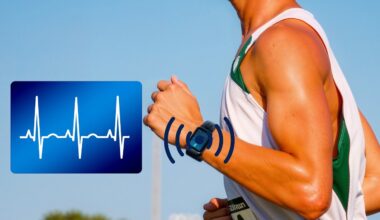
Understanding the data generated during marathon training is vital for any serious runner. Marathon training apps can provide a wide array of insights including pace, distance, heart rate, and much more. By effectively analyzing this data, runners can create tailored training plans that enhance performance. Start with the basics: keep consistent records of your runs, such as duration and kilometers completed. This helps in identifying patterns, establishing benchmarks, and understanding your progress over time. Use the reporting features of the apps to visualize data and track improvements. Many apps offer graphs that present your performance trends across various metrics, which can help you pinpoint where you excel and areas needing work. Additionally, consider integrating wearable fitness technology, which can provide precise measurements for advanced metrics like recovery time and cadence. The impact of weather, terrain, and fatigue on performance should also be analyzed. For comprehensive improvement, combine data analysis with professional advice, ensuring the techniques you employ are scientifically backed. Persistently assess your performance to train smarter in preparation for race day.
Using Metrics to Inform Training
Different metrics will inform training distinctively. For instance, focus on your pace and how it fluctuates during long runs versus short sessions. Understanding your pace helps you develop targeted training segments to improve speed over time. Another critical metric is the heart rate, which reveals how hard your body works during varying intensities. Monitoring your heart rate can prevent overtraining and provide insights into your cardiovascular health. Next, consider assessing your cadence—measured in steps per minute—as it can significantly influence running efficiency. A higher cadence can help minimize the risk of injury by reducing the impact on joints. Marathon training apps can also track elevation gain which is crucial for understanding the difficulty of your routes. Analyze how different terrains affect your running efficiency and how you can adapt your training accordingly. Furthermore, strive for consistency in your training. Incorporate varied workouts and cross-training to promote muscle balance. Setting specific, measurable goals pertaining to these metrics allows for informed adjustments tailored to your unique needs, thus fostering both enjoyment and performance on race day.
An additional aspect to consider is the psychological dimension of marathon training. Tracking emotional responsiveness to various workouts can provide insights into your mental state and motivation levels. Many apps allow you to log your feelings after each run, which can reveal how certain types of workouts impact your energy and enthusiasm. Regular logging can highlight trends, such as the correlation between your mental state and performance. Knowing when you feel best can guide you to schedule harder workouts or rest days, aligning your training with your psychological peaks. Evaluating your focus during runs can also inform how well you can maintain pacing and stamina during long distances. Visualization techniques can complement data from apps by helping you mentally prepare for race scenarios. Combining technology with psychological strategies forms a holistic approach. Moreover, consider doing social runs with friends to enhance motivation—tracking shared workouts can fuel healthy competition that inspires improvement. Integrating supportive communities, whether in-app or locally, can uplift your overall marathon training experience, providing accountability while making the journey enjoyable. Thus, data analysis in conjunction with mental preparation leads to comprehensive race-readiness.
Leveraging Insights from Professional Coaches
Incorporating advice from professional coaches into your app insights can greatly enhance your training experience. Coaches often provide personalized feedback and tailored training plans based on your unique data, which can maximize all the insights gained from marathon training apps. They can help you interpret complex data points, ensuring you understand how various metrics influence your overall performance. Coaches can recommend specific drills to improve areas observed in your data, such as vibration drills to increase cadence or threshold runs to build stamina. Their expertise ensures that you focus on strengths while also addressing weaknesses. Utilizing apps during training sessions allows for immediate feedback from coaches—a vital part of modernizing the training approach. Additionally, many coaches utilize their platforms to analyze runners’ performances remotely; sharing your workout data can lead to in-depth discussions on pacing strategies and recovery techniques. Leverage technology to communicate your goals effectively and keep your coach up to date on your progress. Furthermore, a supportive coaching relationship fosters accountability, pushing you to commit to your training plan. Therefore, combining technology with professional expertise leads to more successful marathon training experiences.
Integrating nutrition tracking with marathon training apps can further optimize performance. Nutrition plays a substantial role in a runner’s ability to train effectively. Many training applications include features that allow users to log their meals and hydration, making it easier to analyze energy levels against training performance. Runners can track how different foods affect their training, noting what best fuels their body before, during, and after sessions. Monitor how your nutrition correlates with key performance metrics like recovery times or long runs’ success. Identifying food that enhances stamina or aids recovery will enable better preparation for race day. Additionally, apps can promote a balanced diet by offering personalized tips and recommendations based on your logged intake. Sharing nutritional insights within runner communities can also be beneficial, as collaborative learning offers exposure to various food strategies others successfully implement. Consider consulting with a sports nutritionist for in-depth guidance, showcasing the importance of harmonizing data analysis with dietary insights. Ultimately, optimizing nutrition alongside analyzing training data ensures your body has the fuel it needs to reach peak performance levels. Such integration contributes significantly to successful marathon preparation.
Conclusion: Continuous Analysis for Marathon Success
In summary, the journey to marathon success hinges on consistent and insightful data analysis. Utilizing marathon training apps to track metrics ranging from pace to heart rate creates a comprehensive performance overview. Each aspect of training contributes significantly to race-day preparedness, allowing runners to adopt informed strategies tailored to individual needs. Emphasizing the psychological facet alongside the physiological ensures a well-rounded approach, catering to both mind and body. Collaboration with professional coaches can transform raw data into actionable insights, maximally aligning training with unique running goals. Nutrition forms an essential supporting element, enriching the training process when aligned with data analytics. The power of wearable technology complements running apps, providing valuable real-time insights. As runners encounter diverse terrains and conditions, data becomes crucial in crafting adaptable training plans. Staying engaged with community support fosters motivation and accountability, further enhancing the journey. As you approach race day, remember the importance of calibration across all aspects of your training data. Thus, continuous analysis of data is not just beneficial but essential for marathon runners aiming for their personal best.
Remember, marathon training is a marathon in itself. Consistency, determination, and adaptability maximize performance insights gleaned from marathon training apps. Correctly leveraging data supports individual growth over time, allowing for steady and sustainable improvements. Each run adds to the data pool, refining insights that drive runners towards their ultimate goals. Stay open to experimenting with workouts and recovery strategies; data evolves as runners optimize their routines. Embrace setbacks as learning experiences, as they often provide the most profound insights into training effectiveness. Compilation of successful strategies empowers runners with a deeper understanding of their performance journey. Harnessing community resources will continue nurturing motivation and accountability, fostering a culture of improvement among peers. Utilize all resources available, whether through tech integration or peer interaction, to build strength and endurance for race day. Regular assessments not only provide direction but cultivate resilience against the challenges that marathon training inherently presents. Whether you’re a first-time runner or seasoned competitor, the analytical journey unfolds uniquely for everyone. Keep striving and analyzing—your next personal best awaits!
Exploring Advanced Analytics Features
Delving into advanced analytics features of marathon training apps broadens your understanding of various performance metrics. These features often include sophisticated algorithms that analyze your pace over time, enabling you to identify consistent habits or patterns that may aid in your running journey. Setting personal records and comparing them against calculated trends can illustrate how training intensity impacts overall performance. For instance, many apps can visually display correlations between runs completed and average heart rates, which subsequently influence your overall fitness level. In addition to visual displays, constant integration of new technology means that many apps now feature predictive analytics, allowing runners to forecast outcomes based on current training data. Such foresight helps in preparing for different racing conditions by outlining what adjustments might yield the most beneficial results. Moreover, as you familiarize yourself with these analytics tools, consider sharing insights within running communities; discussing strategies can cultivate a deeper understanding collectively. Furthermore, always seek to revisit earlier data—what worked for you months ago may provide insights into modern challenges. Emphasizing advanced analytics integration into your training ensures each unique aspect is effectively interpreted and optimized.