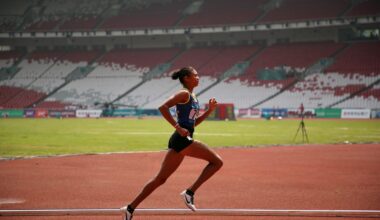

The Role of Biomechanics in Rehabilitation and Return to Sport
Biomechanics plays a vital role in the recovery process for athletes returning from injuries. It combines principles of physics and engineering with biological systems, aiming to optimize performance and prevent future injuries. In rehabilitation, biomechanics helps to identify movement patterns that contribute to injury risk. By analyzing these patterns, specialists can adjust training methods and rehabilitation exercises accordingly. Effective biomechanical assessments assist in determining how an athlete’s movement efficiency can be improved.Gait analysis is a commonly employed tool in this area, as it evaluates how an athlete runs or walks. This detailed analysis allows for tailored rehabilitation programs focusing on specific needs and weaknesses. Utilizing technology such as motion capture systems, clinicians can gather precise data on an athlete’s movements. Consequently, they can enhance recovery protocols that are personalized. This individualized approach fosters the athlete’s confidence through proper guidance. Ultimately, such focused attention not only accelerates the rehabilitation process but also promotes a seamless transition back to sport, ensuring athletes regain their peak performance levels efficiently.
Within biomechanics, kinematics and kinetics are essential concepts that guide rehabilitation practices. Kinematics pertains to the motion of bodies without considering the forces that cause the motion. In contrast, kinetics involves understanding how those forces affect the body. Professionals utilize these frameworks to study joint angles and velocities at which body segments move during rehabilitation exercises. By understanding the forces at play, practitioners can design interventions that minimize stress on injured areas.Strength training and conditioning exercises become more effective when grounded in biomechanical principles. For instance, using resistance training to enhance muscle support around weakened joints can show significant benefits. Moreover, biomechanics aids in establishing optimal loading patterns crucial for tissue healing. Practitioners can implement specific parameters, like range of motion and load progression, based on biomechanical assessments. Such structured exercises prevent complications or setbacks during recovery and support sustained athletic performance. By weaving together these biomechanical insights, rehabilitation professionals ensure a holistic recovery approach that not only targets physical injury healing but also focuses on broader athletic performance recovery.
Integrating Technology in Biomechanics
The integration of technology in biomechanics has transformed how rehabilitation strategies are developed and implemented. Technologies such as force plates, video analysis software, and wearable sensors allow for real-time data collection. With these tools, clinicians can gain invaluable insights into an athlete’s performance metrics. For example, force plates measure ground reaction forces and provide data on balance and stability. This evidence informs adjustments in training protocols aimed at enhancing performance and preventing injury recurrence. Similarly, video analysis software enables practitioners to dissect movement patterns frame-by-frame, pinpointing faulty mechanics that may contribute to injury. Wearable sensors track workload metrics, providing updates on fatigue levels. Data-driven decisions informed by these technologies cultivate more precise rehabilitation processes. Moreover, athletes become more informed regarding their recovery, leading to enhanced cooperation in their programs. Biomechanical feedback fosters open communication between athletes and rehab providers, making the rehabilitation experience more collaborative. Hence, technology serves as an essential ally that elevates both recovery and performance to new standards.
Additionally, biomechanics significantly impacts the psychological aspects of rehabilitation. Athletes often face mental challenges during recovery, such as fear of re-injury and decreased confidence. Utilizing biomechanical feedback can help mitigate these concerns by providing objective evidence of progress. When athletes see quantifiable improvements in their movement efficiency and strength, they are reassured about their return to sport. An expanded focus on biomechanical education fosters a deeper understanding of how to execute movements safely, instilling confidence in athletes. Furthermore, adopting techniques like visualization can enhance recovery by mentally preparing athletes for their return. Integrating such psychological components into a biomechanical framework creates a comprehensive rehabilitation experience. It emphasizes the importance of building not just physical readiness but also mental resilience. Consequently, athletes can harness an empowering mindset while approaching their recovery. This emotional preparedness is equally vital for successful transitions back to competitive environments. Therefore, understanding the psychological interplay and reinforcing positive mindsets aids in achieving complete recovery.
The Importance of Joint Stability in Rehabilitation
Joint stability is another critical focus within sports biomechanics during rehabilitation. It involves the ability of muscles, tendons, and ligaments to control joint movement. When rehabbing from an injury, restoring stability is paramount for successful outcomes. Biomechanical assessments evaluate not only range of motion but also proprioception, which is the body’s ability to sense its position in space. Understanding stability needs enables clinicians to target specific muscle groups during recovery exercises. For instance, addressing weakness in surrounding musculature through targeted strength work can stabilize affected joints. Incorporating exercises that challenge balance, such as single-leg stands, can further enhance joint stability, helping athletes regain their confidence. Moreover, maintaining joint integrity is vital for avoiding future injuries. Youth and amateur athletes may benefit significantly from a focus on stability as their bodies are still growing and developing. Implementing structured stability training, with progressive loading and balance exercises, is essential. Ultimately, focusing on stability creates a robust foundation for athletes to perform at their best, reducing their risk of injury during their return to sport.
Moreover, tailored rehabilitation programs based on biomechanics enhance athlete-specific outcomes. Each athlete presents unique characteristics, including their movement patterns, physical attributes, and anatomical structure. Customizing rehabilitation plans addresses these variabilities effectively. Comprehensive assessments should consider individual needs and preferences, ensuring that all components remain relevant and user-friendly. Using technology can streamline these assessments, facilitating individualized recommendations throughout the recovery journey. Similarly, by identifying differences in biomechanics, clinicians can develop personalized preventive strategies. For instance, if an athlete has a history of ankle sprains, targeted exercises can bolster surrounding musculature. Rehabilitation programs should also factor in sport-specific demands, reflecting the unique challenges athletes face in their disciplines. The significance of personalization is highlighted in elite sports, where specific skills and abilities are essential. Following biomechanics as a guide promotes the delivery of creative, effective, and efficient interventions, ultimately yielding superior recovery and performance results. Such specialist attention makes every athlete feel valued in their rehab process, leading to profound psychological benefits.
Future Directions in Sports Biomechanics
Looking ahead, the field of sports biomechanics promises advancements that will further enhance rehabilitation practices. Increased research in integrated approaches—combining biomechanics with physical therapy, nutrition, and psychology—is paving the way for more comprehensive recovery frameworks. Additionally, emerging technologies like artificial intelligence (AI) and machine learning are set to revolutionize data analysis by yielding personalized rehabilitation insights and solutions. These innovations will enable clinicians to predict injury risks more accurately, guiding preventive strategies tailored to individual performance profiles. An increased focus on biomechanics education for both athletes and coaches fosters informed decision-making, allowing them to better understand injury prevention mechanisms. As more athletes gain data insight, the shift towards self-managed rehabilitation practices may emerge. Furthermore, addressing athlete welfare and holistic well-being in conjunction with biomechanics will promote healthier transitions back to sport. Overall, collaboration among sports scientists contributes significantly to advancing this field, driving progress toward optimized individual and team performance, ultimately creating a competitive edge. Emphasizing biomechanical foundations enhances recovery processes while highlighting the intricacies of athletic performance.
In conclusion, the role of biomechanics in rehabilitation and the return to sport cannot be overstated. Its application fosters both physical and psychological readiness while facilitating a patient-focused recovery approach. By tailoring programs utilizing biomechanics, rehabilitation professionals can ensure athletes recover swiftly and safely. This attention ensures that each athlete transitions back with greater confidence and capability. As the understanding of biomechanics continues to evolve, evidence-based practices will increasingly inform rehabilitation strategies. The close partnership between athletic trainers, biomechanics specialists, and coaches will be crucial in shaping future developments in this field. By pooling resources and knowledge, professionals can create an environment that champions injury prevention while enhancing performance outcomes. At its core, the integration of biomechanics reshapes the rehabilitation landscape, promoting a new era of athletic excellence. Thus, athletes equipped with biomechanical insights can find themselves better prepared not only for challenges during their recovery but also for the rigorous demands of competitive sports. Ultimately, the collaboration between biomechanics and rehabilitation gives rise to a more informed and optimized athletic endeavor for all.