
The Impact of Dance Fitness on Body Confidence
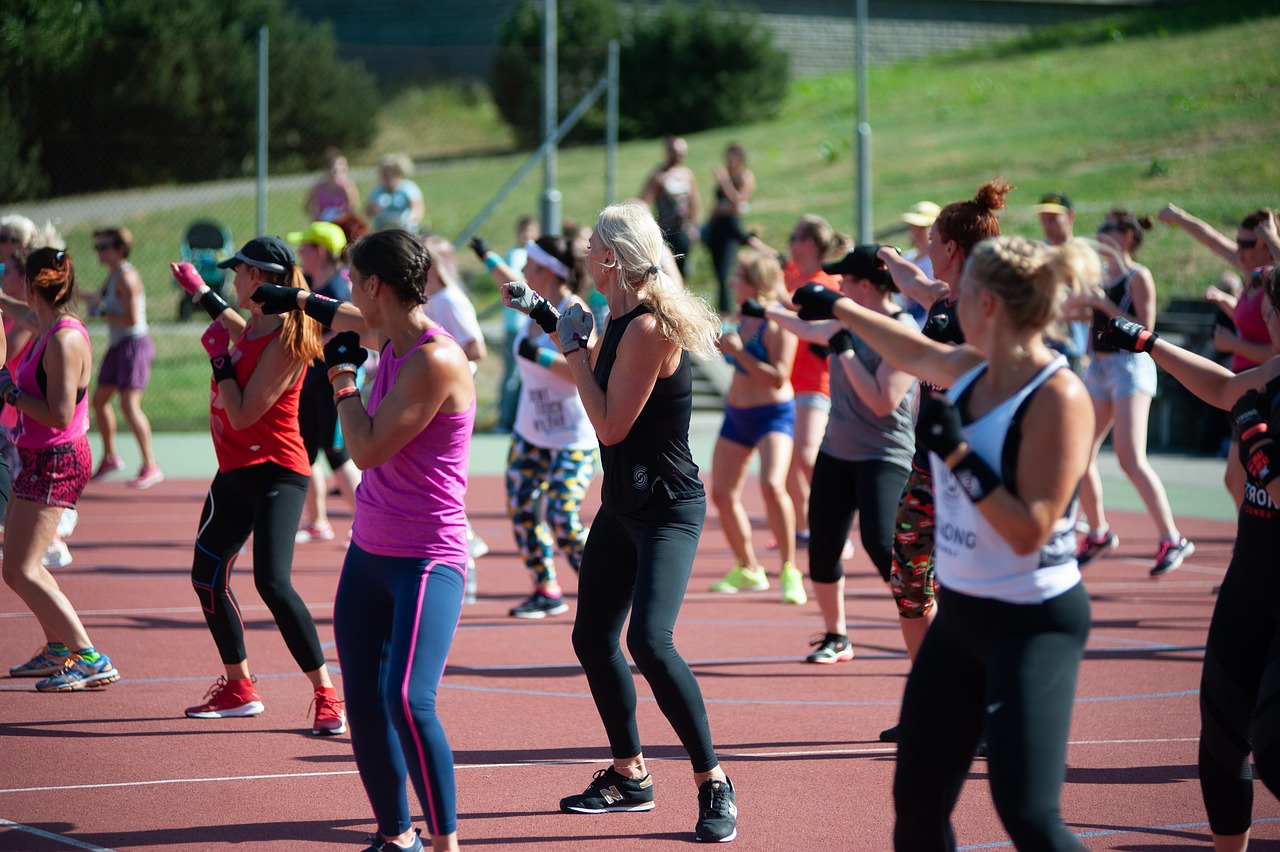
Engaging in dance fitness programs can significantly enhance body confidence for individuals of all ages and backgrounds. The rhythmic movement combined with music allows participants to express themselves creatively while working towards fitness goals. As people become more attuned to their bodies through dance, they often develop a better understanding of their physical capabilities and limitations. This increased awareness can lead to an uplifted self-image. Furthermore, dance fitness often occurs in group settings, fostering a supportive community that encourages positivity and self-acceptance. In these environments, individuals can feel more comfortable showcasing their abilities without the fear of judgment. Participants frequently report feeling empowered, leading to improved mental well-being. During classes, individuals are encouraged to let go of inhibitions and enjoy movement, which can decrease feelings of self-consciousness. Many dancers find themselves surprised by their progress as they build strength, flexibility, and coordination. Ultimately, the journey of dance fitness can transform one’s views on the body, promoting a healthier relationship between self-image and physical appearance. This mindset shift can be beneficial both in and out of the exercise environment, impacting overall lifestyle choices.
As individuals embark on their dance fitness journeys, they often experience a newfound appreciation for their bodies. This appreciation is cultivated through various dance styles that provide diversity and cater to different interests. Participants can choose from hip-hop, salsa, Zumba, or other forms that resonate with them personally. Through this exploration, they gain insights into what their bodies can achieve creatively and physically. Additionally, learning new dance routines enhances cognitive abilities as participants remember steps, timing, and coordination. This mental engagement contributes to overall mental sharpness, presenting another positive outcome of dance fitness. By focusing on the joy of movement, individuals can shift their attention away from societal pressures to conform to unrealistic beauty standards. They learn that fitness is not solely about aesthetics but about how one feels and moves through life. This awareness fosters self-acceptance, inspiring individuals to embrace their unique shapes and sizes. Social aspects of dance fitness also encourage bonding and friendships among participants, further boosting self-esteem. Dancing with others creates a sense of belonging, contributing to stronger emotional health and resilience against negative body image narratives.
Community Support in Dance Fitness
The supportive community formed in dance fitness classes cannot be overstated. Many individuals find this environment conducive to personal growth and self-discovery. Shared experiences in class provide opportunities for making connections with others who have similar goals and struggles, reinforcing the idea that one is not alone in their journey. This communal aspect of dance fitness fosters a culture of encouragement, where participants can celebrate victories, no matter how small. Progress in dance fitness is often measured by personal achievements rather than external factors, creating an inclusive atmosphere. For example, being able to execute a challenging dance move successfully can serve as a confidence booster. Celebrating such milestones reinforces positive self-esteem. This sharing of experiences—even failures and setbacks—creates a safe space for vulnerability, as participants realize they are among friends. Moreover, having a support system empowers dancers to push beyond their comfort zones, enhancing both their fitness and self-image. Overall, the connections made in dance fitness classes contribute significantly to improvements in body confidence, making them valuable not just physically but also mentally and emotionally.
Another remarkable benefit of dance fitness is the sense of empowerment it instills. Participants often feel liberated as they dance, momentarily shedding the stresses of daily life, which contributes positively to mental well-being. Many individuals report that engaging in dance can act as a natural stress reliever, allowing them to channel emotions into movement. When participants witness their abilities improve through practice, they gain an invaluable sense of accomplishment, further enhancing body confidence. Additionally, dance fitness can motivate individuals to maintain healthy habits, such as better nutrition and regular physical activity. As they see tangible results from their efforts—whether it’s greater flexibility, strength, or endurance—they become more invested in their overall health. This holistic approach provides a comprehensive boost to body confidence, intertwining physical fitness with mental resilience. Individuals begin to view their bodies as instruments of joy rather than just a reflection of societal ideals. They realize that every body has its own rhythm and beauty, creating a deeper respect for themselves and others. The culmination of these experiences leaves participants feeling empowered and capable, enhancing their outlook on life.
The Role of Self-Expression in Dance
Self-expression plays a crucial role in dance fitness, as it allows individuals to showcase their unique styles and personalities. The freedom to interpret music through movement nourishes creativity and individuality, enabling dancers to break free from standard forms. This sense of freedom expands beyond the dance studio and fosters a more profound appreciation for one’s own body. Instead of conforming to prescribed expectations of beauty or fitness, individuals learn to embrace their own unique shapes and forms. For instance, different dance styles highlight various aspects of the body, demonstrating that there is no singular definition of fitness. This diversity is empowering, as participants come to understand that every person’s journey through dance is distinct and valid. They can witness the beauty of various body types and movements, breaking down barriers associated with traditional fitness culture. The acceptance of oneself and others within this context builds a strong foundation for increased body confidence. Ultimately, self-expression through dance fitness facilitates a shift in perspective, turning the focus from external validation to internal fulfillment and self-love.
Moreover, incorporating dance fitness into a fitness regimen allows individuals to develop a broader understanding of what fitness entails. It challenges the stereotype that fitness must include high-intensity workouts like weightlifting or running. Participants learn to appreciate movement in various forms, opening their minds to alternative methods of maintaining health and vitality. Dance fitness emphasizes rhythm and enjoyment, demonstrating that fitness can be a joyful experience rather than a chore. This change in outlook encourages individuals to engage in activities they genuinely love, leading to improved consistency in their fitness routines. The more one enjoys their workouts, the more likely they are to show up and commit. Over time, this commitment can lead to significant progress in physical fitness levels, reinforcing positive body image. Those who embrace dance as a form of fitness not only enhance their physical well-being but also cultivate a sense of identity as dancers. Identifying as part of the dance community reinforces a joyful relationship with exercise, further solidifying body confidence and the desire to keep moving, grooving, and living well.
Conclusion: The Transformative Power of Dance
In conclusion, dance fitness programs offer numerous benefits that extend well beyond physical appearance, fostering body confidence among participants. Through the combination of community support, self-expression, and a positive mindset, individuals can experience transformative growth in their self-perception. The encouraging atmosphere within dance fitness classes allows for weightlifting and fitness goals to be perceived as expressions of care for oneself. As dancers embrace their bodies, they often find joy in movement and discover their potential, leading to a healthier and more positive relationship with their self-image. Over time, individuals who participate in these programs frequently report improved mental health and resilience against negative societal messages. Dance fitness teaches that confidence is cultivated within, and that a loving relationship with one’s body is a worthy pursuit. By celebrating uniqueness and diversity among participants, dance fitness creates a supportive culture where individuals can thrive. Those looking to boost their self-esteem and overall quality of life should seriously consider incorporating dance fitness into their routines. The benefits are palpable, both on and off the dance floor, proving that rhythm truly has the power to change lives.