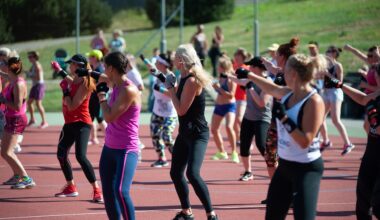

Strength Training with Dumbbells: Minimal Equipment Muscle Gains
For those looking to build muscle effectively, integrating dumbbells into your routine can yield impressive results. The versatility of dumbbells allows for various exercises targeting multiple muscle groups. They can help in developing strength and size without requiring extensive gym equipment. Furthermore, they enable a range of workouts from upper body to lower body. You can perform compound movements like squats and deadlifts, as well as isolation exercises such as bicep curls and tricep extensions. This approach is particularly beneficial for individuals with limited space or time. Dumbbells can be used for focused workouts, or you can incorporate them into more extensive resistance training sessions. To effectively build muscle with dumbbells, one must ensure proper technique and gradually increase weight as strength improves. Consistency in training is crucial, and varying your workout routine will continuously challenge your muscles. Additionally, combining strength workouts with adequate nutrition will optimize your gains. Consider tracking your progress to stay motivated. With dedication, even minimal equipment can provide significant muscle-building benefits.
The Benefits of Minimal Equipment Training
Minimal equipment training, particularly with dumbbells, offers numerous benefits that appeal to many fitness enthusiasts. These advantages include cost-effectiveness, convenience, and flexibility. Investing in a set of dumbbells can eliminate the need for a gym membership, saving money in the long term. Moreover, dumbbells are easily stored, allowing you to create a workout space that fits your home environment. Additionally, their lightweight design makes them portable, so you can maintain your workout schedule while traveling. Flexibility is a significant perk, as you can tailor your routines to meet personal fitness goals. With bodyweight exercises or light dumbbell lifts, you can engage muscles effectively without causing excessive strain. This makes minimal equipment training suitable for all fitness levels. Another benefit is the diverse range of exercise options available. Dumbbells allow you to switch between functional movements, targeting stabilizer muscles that assist in overall strength. With effective programming, you can achieve impressive results with a well-structured minimal equipment routine, enhancing muscle definition and overall fitness while retaining enjoyment through variety.
To start with minimal equipment training, proper exercise selection is essential for optimal muscle building. Dumbbells are versatile and can be employed across various workouts. Compound movements, which engage multiple muscle groups, should be prioritized. Exercises like dumbbell bench press, deadlifts, and shoulder presses efficiently target several muscles simultaneously. Additionally, incorporating unilateral movements like single-arm rows or lunges can help in improving imbalances and core stability. Dumbbell exercises are particularly effective for functional strength training, improving overall movement patterns in daily life. As a beginner, focus on learning proper technique and form before increasing weights. Gradually manipulating variables such as sets and repetitions can stimulate muscle growth. It’s crucial to aim for progressive overload; this concept involves gradually increasing the resistance or intensity of your workouts. As you become comfortable with particular weights, increasing them strategically can provide continuous challenge. Consider maintaining a workout log to track gradually heavier weights and exercise variation. This practice not only enhances accountability but also assists in monitoring your progress toward goals. Combining these elements effectively will promote muscle growth and perseverance in your training journey.
Dumbbell Exercises for Each Muscle Group
Employing various dumbbell exercises across different muscle groups enhances overall strength and muscle development. Focus on specific areas for a well-rounded routine. For the upper body, bicep curls, shoulder presses, and tricep kickbacks can be effective. These movements engage the biceps, triceps, and shoulders, promoting defined arm strength. Incorporate bent-over rows for back development and chest presses for balanced upper body training. For lower body workouts, consider squats, lunges, and deadlifts with dumbbells. Squats can help build quad and glute strength, while lunges also engage the hamstrings. Deadlifts will develop back and leg strength simultaneously. Abs and core stabilization are critical as well, so performing dumbbell Russian twists or side bends can enhance core strength. Lastly, consider using explosive movements like dumbbell snatches or cleans for dynamic strength training. These multi-joint exercises can encourage muscle engagement and improve athletic performance. Remember to maintain proper form throughout your workouts, focusing on both contraction and extension phases. Planning workouts targeting each muscle group effectively ensures a comprehensive resistance training program to facilitate muscle gains.
To achieve better results while training with minimal equipment, maintaining a balanced nutritional intake is essential. Protein plays a vital role in muscle recovery and growth post-workout. Consuming protein-rich foods such as chicken, fish, eggs, and legumes can significantly enhance the recovery process. In conjunction with protein, consuming carbohydrates prior to training offers the energy necessary for effective workouts. Whole grains, fruits, and vegetables can provide the sustaining energy needed for strength training. Moreover, incorporating healthy fats from sources like nuts and avocados can support overall health while contributing to satiety. Staying adequately hydrated is fundamental for optimal performance as well; dehydration can lead to decreased strength and energy levels during workouts. Tracking your macronutrient intake may assist in fine-tuning your diet for enhanced muscle gains. Focus on consuming nutrient-dense foods while being mindful of portion sizes. Lastly, consider the timing of your meals in relation to your workout schedule. Consuming a balanced meal or snack pre-and post-workout can optimize performance and recovery. Overall, a synergistic approach to training and nutrition will promote muscle growth and satisfaction with your progress.
Common Mistakes to Avoid
While performing minimal equipment muscle training, it’s vital to sidestep common mistakes that might impede progress. One prevalent mistake is neglecting proper form and technique. Poor form can lead to injuries and reduced effectiveness in your workouts. It’s essential to prioritize mastering the correct movement patterns before attempting heavier weights or advanced exercises. Furthermore, lifting weights that are too heavy can compromise form, leading to unwanted strain. Gradual weight progression ensures safety and effectiveness. Another common mistake is skipping warm-up routines. Warming up prepares your muscles and joints for exercise, reducing the likelihood of injuries. A dynamic warm-up consists of movements that activate muscle groups engaged in your workouts. Also, avoid too much focus on specifics rather than maintaining a holistic approach. While it is crucial to differentiate between muscle groups, it’s equally important to engage in compound movements that involve multiple muscles simultaneously. Lastly, consider your recovery time. Strength training can lead to muscle fatigue, which necessitates recovery days. Failure to allow adequate recovery may impede progress and increase the risk of overtraining. Remember, balance is key to achieving optimal results.
Finally, consistency and progress tracking play crucial roles in effective minimal equipment muscle training. Establishing and committing to a structured weekly plan ensures that workouts remain a priority. Regular scheduling not only keeps motivation high but also builds a routine that reinforces healthy habits. When setting fitness goals, consider making them SMART: Specific, Measurable, Achievable, Relevant, and Time-bound. This approach helps in clearly defining objectives, whether it’s gaining strength or increasing muscle definition. Documenting workout parameters, such as weights, sets, and repetitions, allows you to visualize growth over time. Additionally, reviewing your progress can help in identifying which exercises yield the best results and allow for adjustments. Don’t hesitate to modify the training program if you hit a plateau or become overly fatigued. Regularly changing your routine can stimulate new muscular growth while keeping workouts exciting. Join a community of like-minded individuals for motivation and support; online forums and fitness groups are great for sharing experiences and tips. Ultimately, a combination of commitment, tracking progress, and consistent training will lead to impressive muscle gains with minimal equipment.