
How Tai Chi Can Boost Your Mind-Body Connection
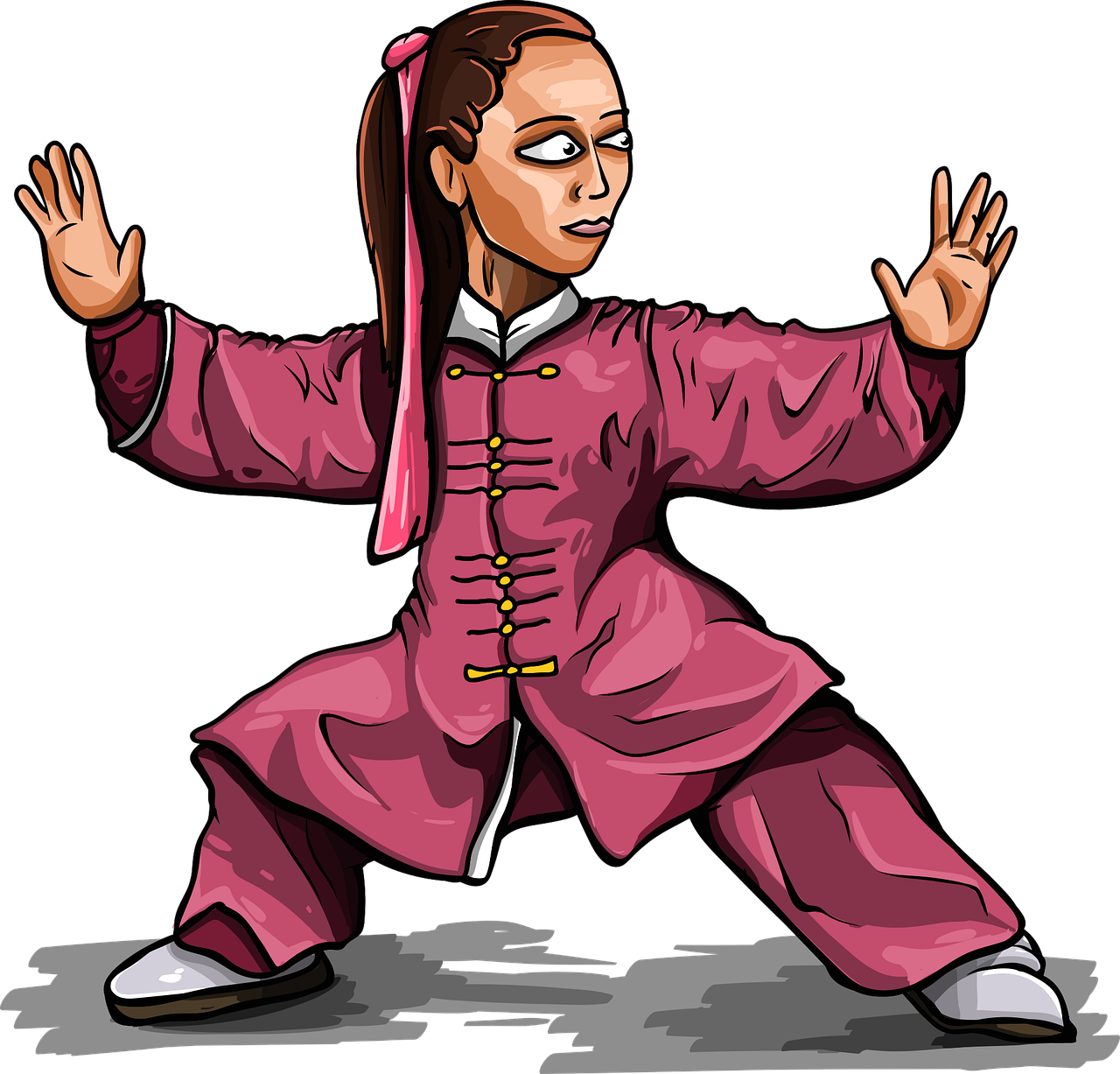
Tai Chi, an ancient Chinese martial art, has gained significant attention for its effectiveness in enhancing the mind-body connection. This gentle, flowing practice combines physical movement, meditation, and controlled breathing, promoting holistic wellness. Engaging in Tai Chi not only improves balance, flexibility, and strength, but it also works wonders for mental clarity and emotional stability. Mindfully engaging with each movement encourages participants to cultivate a deep awareness of their bodies. Participants remain present through slow, intentional actions, reducing stress and anxiety. Practicing Tai Chi can lead to enhanced bodily sensations and awareness. The synchronization of breath with motion allows practitioners to experience a deep sense of relaxation, fostering emotional resilience. The rhythmic nature of Tai Chi encourages the release of negative emotions while building positive energy. Strengthening the mind-body connection aids in better coping mechanisms for stress and daily challenges. People often report feeling refreshed and more centered after a session, highlighting the effectiveness of Tai Chi as a therapeutic practice. Thus, Tai Chi is not merely an exercise; it is a comprehensive approach to emotional and physical well-being.
Building resilience through mind-body practices is vital to achieving mental health and wellness. Tai Chi serves as a bridge between physical health and psychological balance, nurturing this resilience through its unique principles. The practice encourages individuals to focus on mindful movements, promoting a meditative state that quiets the mind. Possessing a strong mind-body connection creates a foundation for resilience by enhancing awareness of one’s physical sensations and emotions. These heightened perceptions enable practitioners to recognize stress signals in their bodies and respond effectively. Moreover, Tai Chi’s principles can be integrated into daily routines, fostering consistent practice and resilience development. The practice emphasizes the importance of patience, acceptance, and self-compassion as essential qualities in facing life’s adversities. As individuals master Tai Chi techniques, they often discover increased confidence in their ability to cope with challenges emotionally and physically. Furthermore, the communal aspect of Tai Chi fosters connections with fellow practitioners, creating a support network. These relationships further enhance resilience, providing emotional backing during difficult times. Consequently, integrating Tai Chi into daily life cultivates a resilient mindset, empowering individuals to navigate challenges productively.
The mental benefits of Tai Chi extend beyond just stress reduction. Engaging in regular practice has been associated with improved cognitive function. Some studies suggest that Tai Chi may reduce the risk of cognitive decline associated with aging. The fluid movements stimulate brain connectivity, potentially enhancing creativity and problem-solving skills. Additionally, the practice encourages meditation in motion, fostering a deep sense of mindfulness. This aspect of Tai Chi can translate to improved focus and concentration in daily life. As individuals become more adept at tuning into their bodies, they often experience heightened awareness in their surroundings. Greater attention to the present moment can lead to enhanced decision-making and clarity in ordinary tasks. Notably, Tai Chi’s emphasis on breath control plays a crucial role in promoting mental alertness. Through intentional breath patterns, individuals learn to ground themselves, reducing mental clutter while improving overall cognitive function. As a result, Tai Chi practitioners often report experiencing greater emotional stability, reduced symptoms of anxiety, and increased overall life satisfaction. This interplay between physical movement and mental clarity makes for a powerful combination. Tai Chi consequently stands as an ideal practice for nurturing the mind-body connection.
The physical health advantages of Tai Chi are well-documented and contribute significantly to building resilience. Regular practice enhances overall physical fitness by improving flexibility, balance, and strength. Many aging individuals adopt Tai Chi to prevent falls and enhance mobility, which in turn bolsters their confidence in daily activities. This newfound physical prowess not only empowers individuals but reinforces their emotional resilience. As participants become more physically capable, they cultivate a belief in their capacity to handle challenges. Moreover, Tai Chi’s low-impact nature makes it accessible for all age groups, further promoting a healthier lifestyle. The collective benefits manifest in reduced chronic pain, improved cardiovascular health, and lower blood pressure. Practicing Tai Chi also promotes better sleep quality, a crucial factor in maintaining mental well-being. Good sleep helps individuals feel recharged and ready to tackle daily obstacles with resilience. Significantly, engaging in Tai Chi can create a positive feedback loop, where improved physical health empowers emotional strength. This holistic approach forms a solid foundation for individuals to face life’s inherent uncertainties with confidence. As a result, Tai Chi supports a well-rounded path toward optimal well-being.
Finding Community through Tai Chi
Participating in Tai Chi also fosters a sense of community among practitioners. When individuals come together to share this practice, they create a strong support network that is vital for personal growth and resilience. Group dynamics enhance the experience by allowing people to learn and motivate one another. This sense of belonging can be profoundly healing, as social connections positively impact emotional health. Additionally, learning from a qualified instructor ensures that practitioners receive proper guidance, creating a safe environment for exploration. These social interactions cultivate feelings of acceptance and understanding, key components of resilience. The supportive atmosphere encourages individuals to be vulnerable and share their challenges during practice. Through this exchange, practitioners often find comfort in knowing they are not alone in navigating difficult emotions. These communal experiences enhance emotional resilience while providing motivation to continue the practice. Furthermore, a strong community creates opportunities for shared experiences, such as workshops and retreats. Such events allow practitioners to delve deeper into Tai Chi’s philosophies, enriching their understanding and appreciation of the practice. Thus, Tai Chi serves as a powerful catalyst for building connections.
Incorporating Tai Chi into daily life can significantly enhance a person’s overall well-being. Adopting a regular practice requires commitment and mindfulness, but the long-term rewards are undeniable. Setting aside dedicated time for Tai Chi allows practitioners to pause and reconnect with themselves. Engaging with this practice can begin with short sessions, gradually increasing in duration and complexity. Integrating Tai Chi into morning routines can set a positive tone for the day, allowing individuals to approach challenges with clarity and calm. Many practitioners have found that practicing outdoors further enhances this experience, as nature’s surroundings promote tranquility and connectedness. This connection to the environment adds another layer to the mind-body integration process. Moreover, recording progress through journaling can help practitioners reflect on their journey. Noting emotional and physical developments offers insights that deepen one’s appreciation for the practice. Additionally, seeking online resources, apps, or local classes can enrich the Tai Chi experience. Engaging with various learning materials can introduce fresh perspectives and techniques. As individuals continue growing with Tai Chi, they discover its multifaceted nature, enriching their mind-body connection and emotional resilience.
Conclusion
In conclusion, Tai Chi embodies a unique blend of physical and psychological benefits that powerfully contribute to enhancing the mind-body connection. Engaging in this practice equips individuals with versatile tools for coping and resilience, empowering them to navigate life’s challenges more effectively. As each session unfolds, practitioners cultivate patience, focus, and an appreciation for their bodies, fostering a balanced lifestyle. Through its gentle movements, Tai Chi instills confidence in its practitioners, helping them feel more capable of managing various stressors. The experience of becoming part of a supportive community further reinforces the benefits of Tai Chi, offering understanding and motivation during tough times. Ultimately, incorporating Tai Chi into one’s routine allows for personal transformation and improvement in overall well-being. With commitment and dedication, individuals can harness the profound effects of this timeless practice to enhance their quality of life. Embracing Tai Chi is more than just physical activity; it is an investment in emotional strength and holistic balance, paving the way for resilience. Therefore, whether you are a seasoned practitioner or a beginner, Tai Chi offers a path toward deepening your mind-body connection.