
When to Avoid Detox Diets: Gut Health Warning Signs
Detox diets have gained immense popularity, often touted as quick solutions for health improvements. However, it is crucial to recognize the warning signs that indicate when these diets might not be the best choice for you, especially concerning gut health. One key indicator is chronic digestive issues. If you experience ongoing symptoms like bloating, gas, or irregular bowel movements, embarking on a detox may exacerbate these problems. Our digestive system is a complex network requiring balance, and sudden changes can lead to adverse effects. Another sign to watch for is persistent fatigue. Detox diets can sometimes lead to nutrient deficiencies, depriving your body of essential vitamins and minerals. This lack can lead to an energy slump, making you feel tired or lethargic. Individuals with pre-existing medical conditions should approach detox diets cautiously. Consulting with a healthcare professional is essential if you have digestive disorders, kidney problems, or any chronic illness. For these individuals, the detox process might be too taxing and could lead to health complications. Remember that health is about balance, not extremes, so listen to your body’s signals.
Another group that should consider avoiding detox diets consists of those who are pregnant or breastfeeding. During these critical periods, nutritional needs are heightened, and restrictive diets can deprive both mother and child of essential nutrients. Detox diets often emphasize elimination, which can lead to deficiencies that affect fetal development or milk supply. This situation poses risks that far outweigh any perceived benefits of detoxification. Moreover, individuals with a history of eating disorders need to approach detox diets with extreme caution. These diets can trigger harmful behaviors or thoughts associated with restrictive eating patterns, causing emotional and physical harm. Consulting with a mental health professional before considering a detox diet is particularly advisable for this group. For those on medication, detox diets may interact negatively with prescribed drugs, leading to severe side effects. It’s crucial to consult your healthcare provider before making any drastic dietary changes, especially if you take medication that affects your gut health. Always prioritize safety and body stability over the fleeting allure of detoxification and cleanse diets. A balanced approach to health is the key for everyone.
Listening to Your Body Signals
Listening to your body is essential, particularly when considering detox diets. If you notice unusual symptoms, it may indicate that your gut is reacting negatively to changes in your diet. One such symptom is persistent cravings for certain foods. Cravings can be your body’s way of communicating that it needs specific nutrients. Ignoring these signs by engaging in a detox diet might lead to imbalances. It’s also important to be aware of mood changes; sudden dietary shifts can impact your mental well-being. If you feel irritable or anxious during a detox, it may signal that the body is under stress. Additionally, skin reactions, such as rashes or breakouts, can indicate internal turmoil. Instead of detoxifying, consider a more balanced dietary approach like functional foods that support gut health. Lastly, if you experience unexplained weight loss or gain during a detox, consult a healthcare professional. Sustainable weight management comes from cultivating healthy habits rather than extreme diets. Healthy changes contribute significantly to overall well-being, fostering a positive relationship with food and body.
Detox diets can often lead to dehydration, especially if they emphasize juices or restrictive eating. Staying hydrated is crucial for gut health and proper digestion. If you find yourself feeling excessively thirsty or suffering from dry skin, it might be time to reconsider your detox approach. Proper hydration aids in the elimination of toxins naturally, supporting liver and kidney functions, much more effectively than extreme detox regimens. Another potentially harmful aspect of detox diets is the weight loss they promise in a short time frame. Rapid weight loss often leads to muscle loss rather than fat loss, which can negatively impact metabolism and energy levels. Studies have shown that sustainable weight loss occurs most effectively through gradual changes. If you find yourself losing weight too quickly, it’s generally a red flag indicating that your body might be undergoing stress. Additionally, consider how detox diets can disrupt your social life. Dining out or engaging with others might become challenging if the meals you consume become rigidly structured. Relationships and nourishment should coexist harmoniously; find balance without unnecessary deprivation.
Gut Health and Microbiome Balance
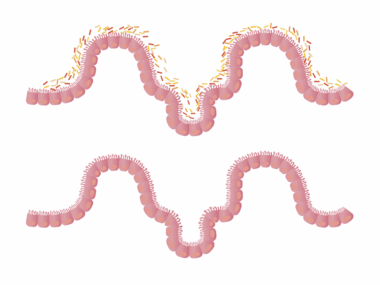
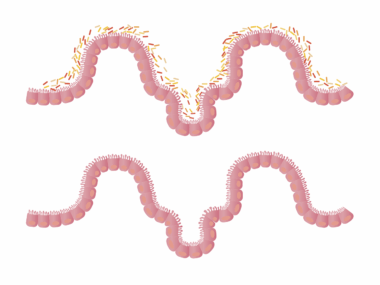
Maintaining gut health relies heavily on the balance of microbiome bacteria. Detox diets typically lead to a shift in dietary intake, often reducing fiber-rich foods that promote healthy bacteria. If you’re feeling bloated after starting a detox, it could indicate that your gut microbiome is reacting negatively. When good bacteria are missing, harmful bacteria can proliferate. This imbalance may lead to digestive issues and other health complications. Furthermore, chronic stress can exacerbate these problems, revealing another reason to be cautious with detox diets. Stress can distort gut health, worsening symptoms during detoxification. If you’re feeling pressure in your daily life, detoxifying may add unnecessary stress. It’s crucial to keep stress in check for overall gut wellness. Be mindful of your body; if a detox plan feels overwhelming, it’s better to maintain a balanced approach. Integrating prebiotics and probiotics into your diet can support microbiome diversity without restrictive detox practices. Raw foods, fruits, and whole grains nourish beneficial gut bacteria. Instead of drastic detox diets, focus on incorporating diverse, healthy foods into your meal plans for sustained benefits.
Finally, listen actively to any sudden changes in your body, particularly when on detox diets. Many people report headaches or digestive pain when starting a detox, which can be signs of withdrawal from sugar or caffeine. These symptoms indicate a body that is undergoing stress instead of healing. If this discomfort persists, it’s vital to reassess the dietary approach you are taking. Moreover, consider what completing a detox might mean for your relationship with food. Shifting between diets can create a cyclical pattern of restriction and indulgence, ultimately leading to disordered eating habits. This reality emphasizes the necessity of establishing a balanced and healthy relationship with food. Refrain from viewing food as the enemy; instead, embrace it as a vital part of well-being. Eating a wide variety of foods can help prevent nutritional deficiencies while providing the energy needed for daily life. Healthy gut function is enhanced through consistent nourishment and whole food choices, rather than through extreme detox measures. Ultimately, prioritizing a sustainable lifestyle supports your overall well-being and gut health.
In conclusion, while detox diets can seem appealing, they are not suitable for everyone and often come with risks that can outweigh their benefits. Many warning signs indicate when it’s time to avoid such diets, especially if they jeopardize gut health. Always be cognizant of how your body responds to dietary changes and recognize that achieving optimal health is more about consistency and balance than extreme measures. Engage with a diverse array of food choices that encourage gut health while meeting your nutritional needs. Consult with healthcare professionals when considering significant dietary shifts, especially if you suffer from chronic issues or illness. The same principle goes for new mothers and those with emotional eating concerns; your health should remain a priority. Embrace changes gradually, allowing your body time to adjust. Understanding and addressing the body’s signals is a transformative approach to achieving wellness. Ultimately, a grounded understanding of health feeds a positive and fulfilling relationship with food. Remember, true detoxification can occur naturally, allowing the body to function optimally and maintain its well-being.
By shifting the focus from extreme detox diets to nurturing gut health through balanced nutrition, individuals have the opportunity to thrive. Each person’s journey toward wellbeing is as unique as their biology. Choose to celebrate food as an ally, rather than a source of anxiety or limitation. Your body craves nourishment, and equally, a steady approach to health. Consider adopting mindfulness techniques around eating and your body’s needs, ensuring you engage in nurturing practices that resonate in your life. By acknowledging the value of gradual improvements, one can cultivate a healthier lifestyle without relying on drastic methods.