
Pilates and Mindfulness: Helping Kids Stay Focused
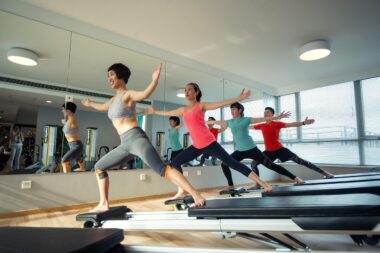
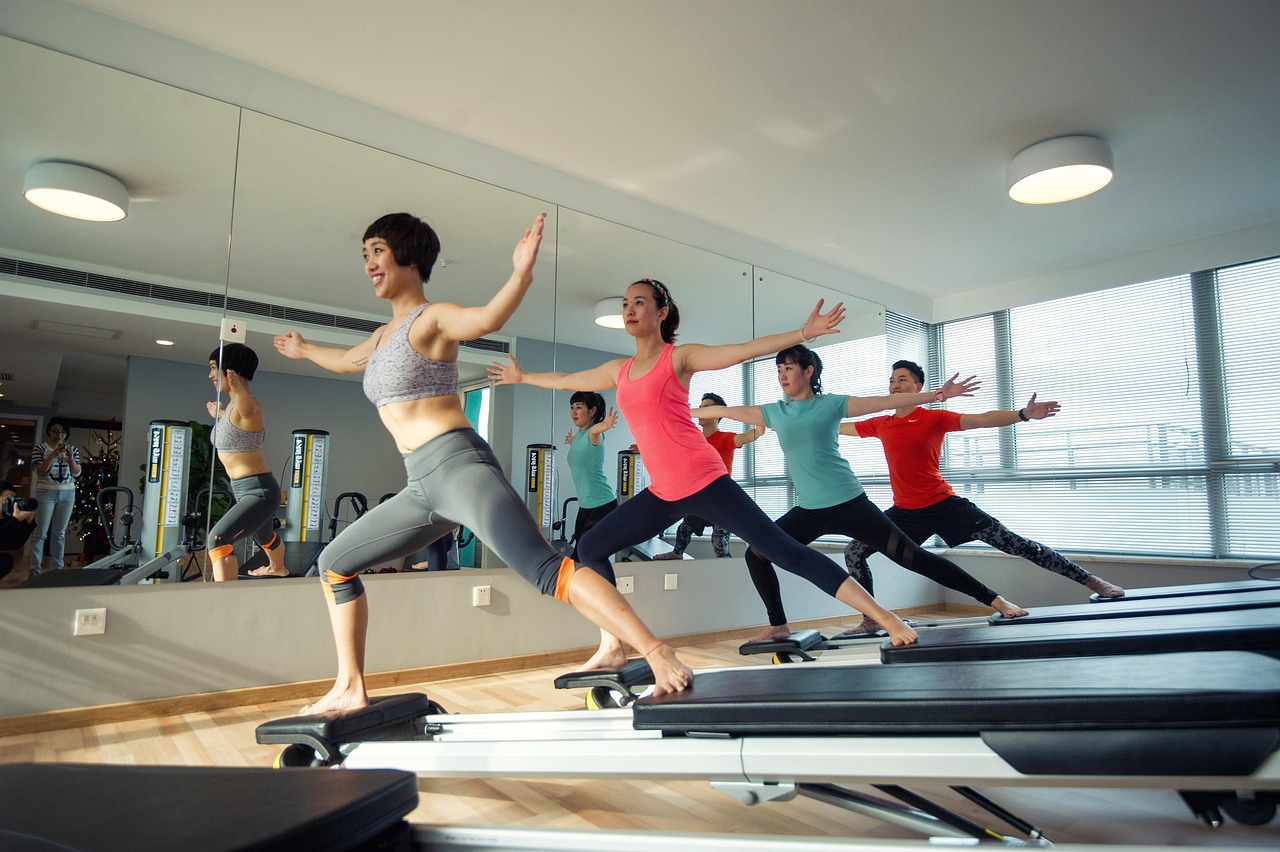
Pilates has become a popular form of exercise, benefiting individuals of all ages, including children. It emphasizes flexibility, strength, and body awareness. Integrating mindfulness into Pilates offers even more advantages. Kids today face a multitude of distractions, such as screens and fast-paced lifestyles. Through mindful Pilates, they can improve focus, stability, and coordination. Mindfulness practices promote being present in the moment, allowing children to cultivate greater awareness of their bodies and surroundings. Incorporating breathing techniques enhances their ability to concentrate and reduces anxiety. Additionally, Pilates exercises can be adapted for children, ensuring they are engaging and fun. This keeps young practitioners interested and motivated. As children develop physical skills, they simultaneously learn valuable life lessons, such as discipline and patience. Mindfulness during exercise not only transforms their practice but also positively influences their daily activities. Parents and educators can provide opportunities for children to engage in Pilates classes that specifically cater to their needs. By making Pilates more accessible, we can help kids develop a more focused and healthy lifestyle while boosting self-confidence and resilience. Ultimately, these practices lay the foundation for a healthier future.
Incorporating Pilates into children’s routines offers numerous benefits beyond physical fitness. Children often need guidance in self-regulation and emotional management. Mindfulness complements Pilates, helping kids learn to pause, breathe, and refocus, especially during stressful situations. With consistent practice, children develop a deeper understanding of their emotions, which directly impacts their interactions with others. Engaging in mindful movement nurtures the connection between the mind and body. In Pilates classes specifically designed for children, instructors can lead them through fun exercises to promote concentration. For example, balance challenges encourage children to hone their focus while improving their core strength and coordination. As they navigate various movements, they develop not only their physical skills but also mental resilience. Achieving balance requires awareness and concentration, reinforcing the importance of mindful practice. Mindfulness can also be taught through playful exercises, such as yoga poses or breathing games, making it easier for children to relate and stay engaged. This creative approach cultivates an accessible gateway to mindfulness and movement. Such experiences set the stage for developing lifelong wellness skills, which are crucial as children transition into adolescence and adulthood.
Building Focus through Movement
Engaging in Pilates can significantly enhance a child’s ability to focus, offering meaningful advantages as they grow. Concentration is a skill that can be practiced and developed, much like physical strength. When children participate in Pilates, they are encouraged to pay attention to their own movements, breathing patterns, and overall bodily sensations. Instructors can guide children through mindful breathing techniques that help them center their thoughts. This practice fosters awareness, allowing them to become attuned to their physical and emotional states. By integrating mindfulness into their Pilates journey, they cultivate coping strategies for stress and anxiety. The physical exercises involved also require sustained attention and effort, which reinforces discipline and perseverance. These attributes are essential for success in both academic and extracurricular pursuits. Kids learn to channel their energy in productive ways, ultimately leading to improved focus in various aspects of life. Additionally, incorporating playful elements into the routines, such as games or creative movements, can make the classes enjoyable. Children not only learn how to focus but also appreciate the benefits of exercise through a fun and engaging environment, building a foundation for a balanced lifestyle.
Another significant aspect of Pilates for children is its influence on their social skills and teamwork. As they engage in group classes, children learn to cooperate with peers and develop communication skills. Sharing space and equipment fosters a sense of community among participants. They begin to appreciate the importance of working together towards shared goals, such as completing a series of exercises. Additionally, mindfulness encourages them to listen to each other and support their friends in the practice. This collaborative environment can elicit feelings of belonging, which is especially important in their formative years. Moreover, it enhances their self-esteem as they master skills alongside others. Through positive interactions, children gain confidence in their abilities and develop lasting friendships. This supportive atmosphere can foster respect, understanding, and empathy, nurturing a generation of mindful and compassionate individuals. As children cultivate these traits, they are better equipped to handle challenges both inside and outside the classroom. Overall, the incorporation of social dynamics within Pilates classes creates an enriching environment promoting individual growth within a community context, laying a strong foundation for their future interactions.
The Role of Consistency and Routine
To fully reap the benefits of Pilates and mindfulness, consistency is crucial. Establishing a regular routine helps children integrate these practices into their daily lives. Parents and guardians can encourage their children to set aside specific times each week for Pilates sessions. Creating a visually appealing schedule can motivate them to participate consistently. Instructors can also offer engaging themes or activities to keep the classes lively and interactive. This repetition helps children internalize the exercises and gradually improve their focus and coordination. As they see progress, their motivation to participate increases. Consistency also fosters accountability and responsibility, which are vital life skills. Through collective support in the family and class settings, children feel encouraged to stick to their routines. Pilate’s principles can easily extend into other areas of their lives, promoting a healthier, balanced approach. This holistic perspective not only enhances their physical health but also fortifies their mental well-being. Establishing regular mindfulness practices through Pilates teaches them resilience and adaptability as well. Developing a foundation of consistency allows children to experience the transformative power of mindful movement, making it an integral part of their everyday lives.
In conclusion, the combination of Pilates and mindfulness provides children with the tools they need to stay focused and thrive. Such practices not only benefit their physical fitness but also considerably enhance their mental resilience. Emphasizing self-awareness, emotional regulation, and social skills prepares them for a bright future. By participating in these mindful exercises, children develop coping mechanisms that empower them throughout their lives. Furthermore, parents and educators play an essential role in introducing these practices to kids, allowing them to explore and enjoy Pilates in appropriate settings. Creating an inviting atmosphere fosters an appreciation for mindful movement that can last a lifetime. Establishing healthy habits during childhood ultimately supports their overall development and well-being. As these children grow into adolescents and adults, the skills they acquire from Pilates will accompany them into all aspects of their lives. The lessons learned, such as discipline, focus, and mindfulness, contribute significantly to emotional intelligence and resilience. Therefore, incorporating Pilates and mindfulness into children’s lives is not just about exercise; it’s a valuable investment in their future success and happiness. Through mindful practices, we can help nurture a generation that values their mental and physical health for years to come.
As children embark on their journey with Pilates, they open themselves up to a world of endless possibilities. It’s essential for instructors and parents to provide a welcoming environment that encourages exploration. Children should feel free to express themselves and embrace creativity during their practice. This helps them realize that fitness can be fun while reaping incredible benefits for their focus and emotional well-being. The community aspect of Pilates for children becomes fundamentally important. By celebrating individual milestones and progress, children learn to appreciate themselves and those around them. This camaraderie fosters a sense of belonging, making Pilates classes a cherished experience. As they grow, the friendships formed will likely promote positive social interaction in other areas of their lives. Introducing Pilates and mindfulness is a proactive approach to helping children navigate the challenges they may face. Instructors committed to educating children about these methods can create long-lasting impacts. Additionally, incorporating age-appropriate language and activities can make classes resonate more with children, leading to positive experiences. Therefore, it’s essential to prioritize creating a nurturing atmosphere where children can flourish and develop both physically and mentally.
Final Thoughts on Pilates for Kids
Ultimately, the integration of Pilates and mindfulness offers a multifaceted approach to helping children enhance their focus and well-being. As they participate in these mindful practices, they cultivate essential skills that aid them in various life endeavors. The importance of finding a suitable instructor who understands children’s needs cannot be overstated. With the right guidance, kids can engage in Pilates classes that are fun, energetic, and meaningful. Their physical, mental, and emotional health benefits will become evident over time. As a result, the practice can lead to improved academic performance, strong communication skills, and healthy relationships. Such holistic practices promote well-rounded development and ensure that children grow into mindful, compassionate adults. As parents and educators, it is imperative to foster environments that celebrate movement and mindfulness. By nurturing the next generation with these tools, we provide them with invaluable resources for coping with life’s pressures. The lasting effects of Pilates will extend well into adulthood, underscoring the importance of establishing healthy habits early on. Ultimately, encouraging kids to practice Pilates sets the stage for a future that embodies health, happiness, and harmony.