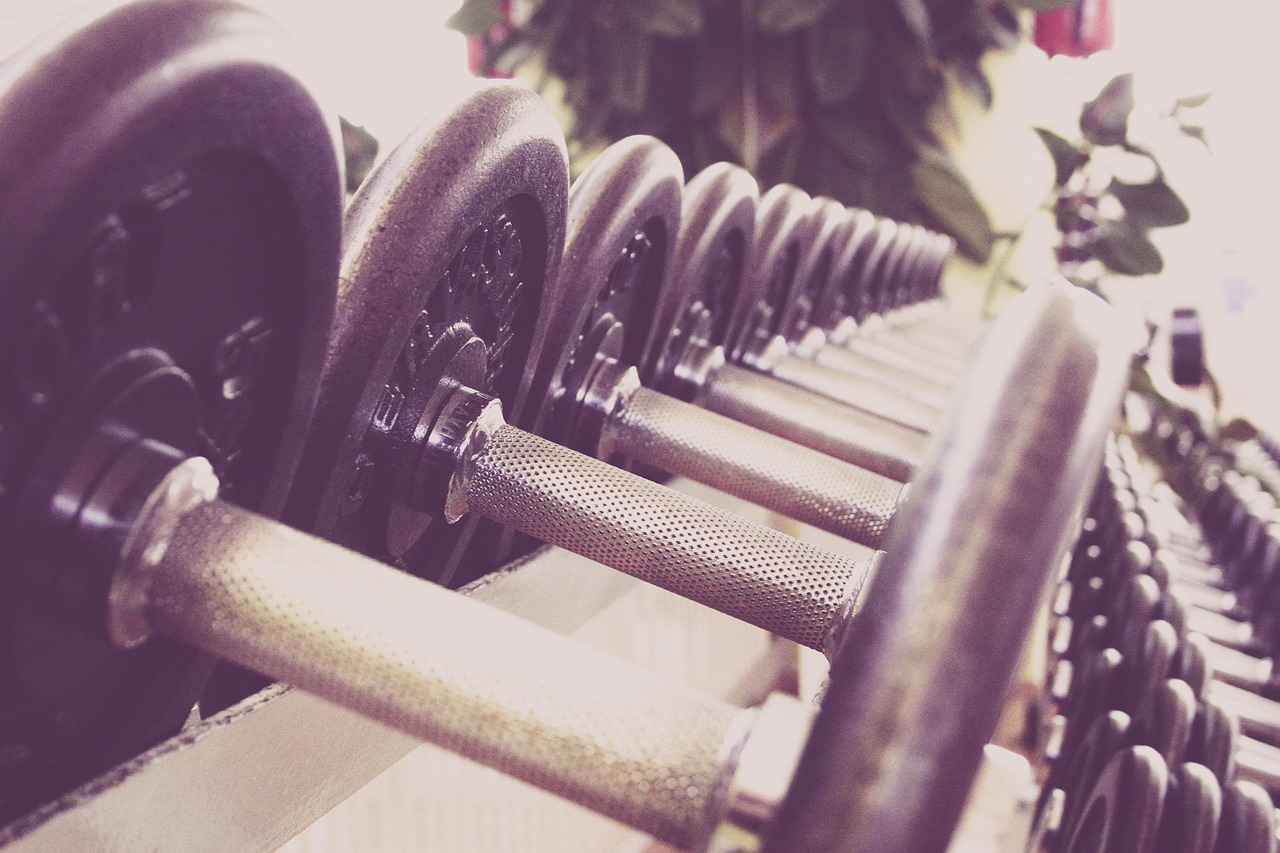

How Gym Rules Can Help Prevent Equipment Hoarding
When it comes to gym etiquette, one significant issue that arises is equipment hoarding. Equipment hoarding refers to the practice of monopolizing gym equipment, which can be quite frustrating for others. This behavior often occurs during peak hours, leaving members unable to access the equipment they need. The underlying problem is usually a lack of understanding of proper gym etiquette. By implementing specific gym rules, facilities can effectively mitigate this issue. First and foremost, a general guideline encouraging users to limit their time on any equipment can greatly enhance the overall experience. Additionally, creating a culture of respect and consideration can help foster positive behaviors among gym-goers. Members should be encouraged to share equipment and avoid stashing personal items on machines. Other important factors include setting specific time limits per session and promoting the idea of moving on to other areas if not actively using the equipment. Clear and consistent communication about these guidelines ensures that everyone knows what is expected. Ultimately, the awareness of these gym rules can significantly reduce equipment hoarding while promoting a more inclusive environment for all members.
Another effective way to combat equipment hoarding is by educating gym members on the concept of shared resources. When individuals understand the importance of sharing gym equipment, they become more inclined to comply with etiquette rules. One of the primary aspects of this education can include providing examples and consequences of hoarding, emphasizing how it affects everyone’s workout experience. Gaining insight into the impact that extended use of machines has on their fellow members can inspire change. Offering workshops or seminars on gym etiquette can also contribute positively. These sessions can discuss not only the importance of sharing equipment but also communicate the psychological benefits of encouraging teamwork and camaraderie in workout environments. Moreover, facilities can leverage signage throughout the gym that reiterates these principles. Effective visuals can serve as gentle reminders to users about respecting others’ time and space. Furthermore, utilizing social media and newsletters to promote respectful behavior can enhance awareness within the community. Setting a positive tone through education and reminders both physically and digitally will encourage adherence to etiquette. Such initiatives can foster a more respectful and productive gym culture.
Creating a Positive Gym Environment
Additionally, the role of gym staff is crucial in maintaining a positive environment and preventing equipment hoarding. Staff members can proactively monitor equipment usage and gently remind users of the established etiquette guidelines. Personal trainers can also play an essential role in encouraging their clients to follow these rules while promoting camaraderie. They should emphasize the importance of allowing others access to the equipment and fostering an atmosphere of support. Furthermore, by taking constructive action when they observe instances of hoarding, staff can model appropriate behavior for other members, leading by example. These interactions can create a sense of accountability among members, encouraging users to be more mindful of their own habits. Management should also consider implementing a reporting system where members can voice concerns about equipment hoarding. This empowers gym-goers and ensures that everyone plays an active role in maintaining a respectful atmosphere. Ultimately, staff involvement can make a significant difference, as they can enforce both the rules and the importance of respectful behavior. Clear communication from staff creates a culture where everyone feels they belong and can access the equipment they need.
Moreover, many gyms implement reservation systems for popular equipment as a strategy to combat hoarding. These systems allow members to book time slots for equipment usage, reducing the likelihood of monopolization. The reservation process can be made seamless and user-friendly, providing a balanced approach to equipment access. Gyms can utilize apps or scheduling boards to facilitate this system effectively. Users should be encouraged to honor their reservations and vacate the equipment promptly when their time is up. This process not only alleviates conflicts but also allows individuals to plan their workouts better, knowing that their chosen equipment will be available. Moreover, implementing a penalty for no-shows can deter equipment hoarding even further. Members should understand that the aim is to assure equitable access for all. This innovative approach not only enhances user experience but also reinforces the message about sharing and cooperation in the gym. As members adapt to this system, it creates a collective atmosphere focused on mutual respect and consideration. Thus, gyms can foster an engaging community through effective reservation practices against equipment hoarding.
Encouraging Alternative Workouts
In addition to rules and reservations, encouraging alternative workouts can significantly reduce equipment hoarding. By promoting diverse training options, gyms can help members discover new exercises that don’t rely solely on popular machines. Offering classes, workshops, or personal training focused on alternative modalities can significantly reduce usage of certain equipment. For instance, providing bodyweight training sessions, circuit training, or even outdoor workouts can motivate individuals to explore different avenues beyond typical gym equipment. This strategy not only prevents monopolizing specific machines but also enhances overall fitness through varied modalities. Furthermore, the gym can implement themed workout days that emphasize specific types of training. These initiatives can foster engagement and enthusiasm while creating excitement for different workout styles. In conjunction with less traditional equipment use, this approach allows individuals to comprehend the benefits of cross-training while being respectful of others. Such innovative additions can transform typical gym experiences into dynamic fitness routines. Moreover, empowering trainers to share alternative techniques and exercises can resonate positively with members, encouraging them to actively seek diversity in their training. This will further promote gym culture as one of inclusiveness and variety.
Moreover, fostering community engagement and accountability among gym-goers plays a critical role in limiting equipment hoarding. Gyms can create social events or challenges that unite members toward common fitness goals, promoting shared experiences. These events encourage cooperation and communication among participants, fostering a sense of belonging within the gym. By teaming people together for challenges or workouts, individuals become more invested in supporting one another. Friendly competition and collaboration can promote respectful behavior, as members become more aware of how their actions affect those around them. Using social media platforms, gyms can highlight the stories of members who succeed through teamwork and shared resources. This also empowers members to build relationships and camaraderie. A cohesive community results in a more pleasant atmosphere, where equipment hoarding becomes less common. Establishing member recognition programs can also inspire participation, encouraging individuals to show respect towards equipment accessibility. Ultimately, a strong sense of community becomes a catalyst for behavioral change. By prioritizing engagement, gyms not only enhance the user experience but also establish a culture that values shared resources over selfish behaviors.
Conclusion
In conclusion, addressing equipment hoarding through effective gym rules is essential for fostering a positive and respectful environment. Recognizing the various strategies available can create significant shifts in behavior among gym-goers. From encouraging shared resources and proper usage to promoting community involvement, these measures create a culture of cooperation. Staff engagement, educational initiatives, and the implementation of reservation systems can dramatically shift how members view etiquette. As members accept more varied workouts and prioritize participation in community-building activities, the fitness environment improves. By cultivating understanding and accountability, gyms can mitigate negative behaviors while enhancing users’ overall experience. Cooperation becomes the norm as members embrace shared responsibility for common resources. Ultimately, so many factors contribute to creating a respectful environment free from equipment hoarding. By being proactive and applying methods discussed, gym operators can significantly highlight the benefits of following etiquette. Thus, members can enjoy a more productive and positive workout, catering to all users. This ensures not only a better gym culture but a fitness community that thrives together, respecting each other’s goals and needs while sharing common resources.