
Overcoming Barriers to Fitness for Individuals with Mental Disorders
Many individuals with mental disorders face significant barriers to engaging in physical fitness. These obstacles can stem from a variety of sources, including lack of motivation, limited access to facilities, and financial constraints. Often, mental health challenges can lead to a cycle of inactivity, further exacerbating feelings of depression and anxiety. It’s important to recognize these unique struggles to support individuals effectively. Creating an inclusive environment is crucial. Establishing programs specifically tailored to address the needs of those with mental disorders can help break these barriers. Educational workshops can raise awareness about the benefits of fitness. Physical activity can improve mental health and overall well-being. Support from friends, family, and mental health professionals can encourage participation. Additionally, finding enjoyable activities can motivate individuals to stay active. Community resources like peer support groups can provide encouragement and accountability. By recognizing these barriers and developing tailored solutions, we can foster a healthier and more active lifestyle for everyone. Fitness is not only about physical health; it plays a key role in enhancing mental wellness. Utilizing adaptive strategies will empower individuals to take control of their fitness journey.
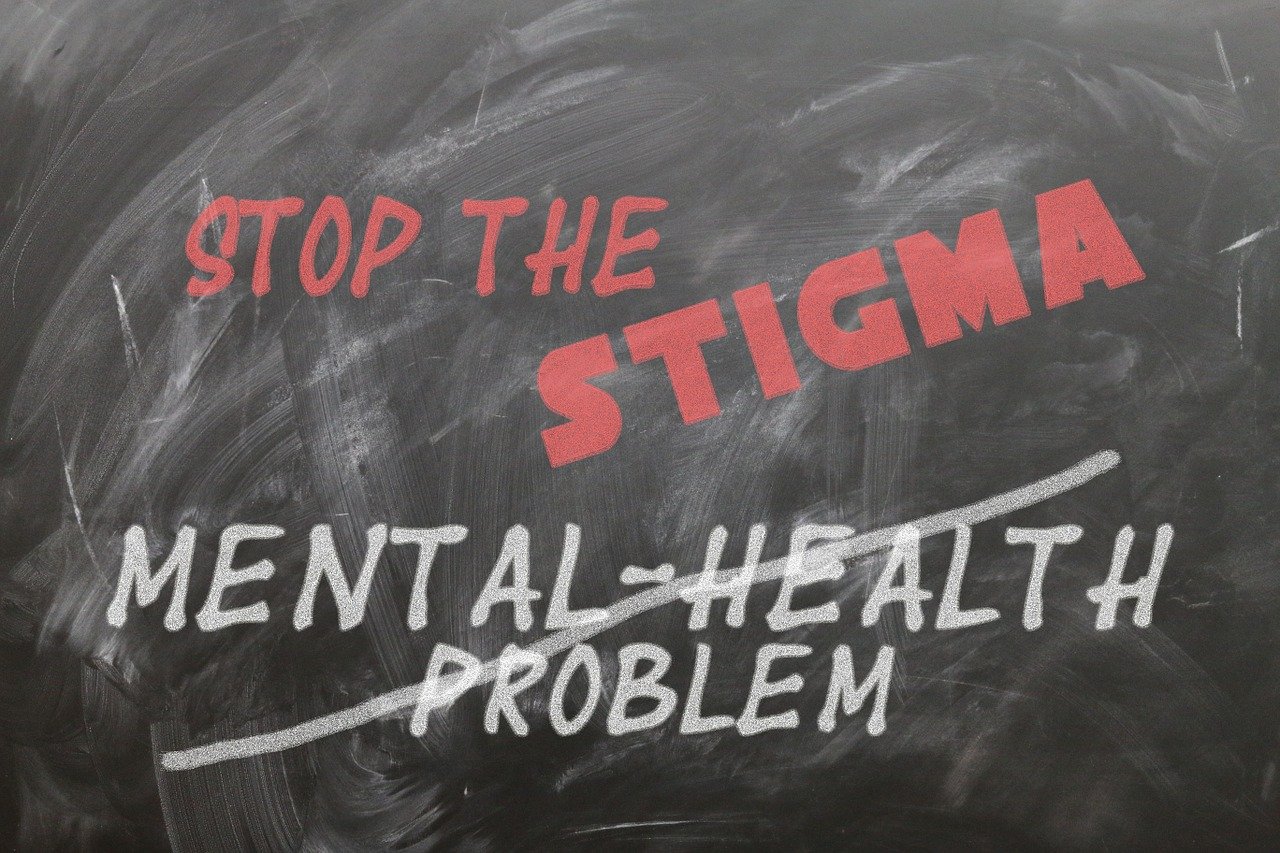
Attitudes towards mental disorders often contribute to the stigma, which can discourage individuals from seeking help or participating in fitness activities. This stigma can manifest both in societal perceptions and within the minds of individuals themselves. Many individuals may feel judged or misunderstood, which can lead to withdrawal from social situations, including fitness programs. Addressing these myths about mental health is essential to breaking the stigma. Public education campaigns can help clarify misconceptions and shed light on the positive impacts that fitness can have on mental disorders. By promoting success stories and highlighting role models, we can inspire others who might feel isolated. Furthermore, fitness facilities can foster a welcoming atmosphere for individuals battling mental health issues. Friendly staff trained in mental health awareness can make a significant difference. Activities should prioritize inclusivity, offering modifications to ensure all individuals can participate. Providing opportunities for social interaction can help combat feelings of loneliness, which are common among those with mental disorders. By focusing on compassion and understanding, fitness communities create an environment where everyone can flourish, ultimately fostering a mindset geared towards positive health outcomes.
Accessibility is another crucial factor influencing participation in fitness for individuals with mental disorders. Many facilities fail to accommodate the diverse needs of those who face mental health challenges. This lack of access can make it difficult for individuals to even consider engaging in physical activity. Ensuring that fitness centers provide adequate resources, such as trained instructors and social support, can create a more inclusive environment. Programs should consider tailors approaches for those with varying levels of comfort and ability in fitness. Group sessions, one-on-one coaching, or even outdoor classes can prove beneficial. Additionally, transportation barriers often hinder access to gyms or fitness centers. Creating community partnerships can help individuals find accessible transportation solutions, enabling them to reach fitness classes. Collaborating with local organizations to provide scholarships for gym memberships or fitness programs can help overcome financial constraints. It’s essential to invest in facilities equipped to support those struggling with mental health issues. Through collaborative community efforts, we can develop more inclusive fitness options, thereby improving the physical and mental well-being of individuals facing mental disorders.
Creating Supportive Fitness Environments
Establishing supportive fitness environments is paramount for individuals with mental disorders. These spaces need to be nurturing, encouraging, and equipped to address various mental health challenges. For example, fitness programs can incorporate elements of mindfulness and stress-reduction techniques, promoting a complete wellness approach. Classes may emphasize gentle exercises, such as yoga or tai chi, that resonate well with those facing anxiety and stress. This blend of physical and mental wellness practices can lead to enhanced relaxation and focus. Furthermore, peer-led group activities can help empower participants. By sharing their experiences, individuals can form connections and build a supportive community. It’s vital that these environments encourage open dialogue about mental health, fostering understanding and empathy among participants. Utilizing social media or local events can promote inclusivity within fitness programming. Group challenges or community events can motivate individuals while building a robust support network. Most importantly, the fitness community should offer non-judgmental approaches, allowing participants to express themselves freely. By cultivating a culture of acceptance and encouragement, we can dramatically enhance engagement and participation among individuals with mental disorders.
Incorporating technology in fitness programs can significantly enhance accessibility for individuals with mental disorders. Virtual classes, fitness apps, and personalized online guidance can offer flexibility and comfort for those hesitant to join traditional fitness spaces. These options allow individuals to set their own pace, making it easier to gradually build confidence and routines. Moreover, incorporating tracking tools can motivate users by illustrating progress over time, contributing to a sense of achievement. Video calls for personal training sessions create opportunities for real-time interaction without the discomfort of being in a crowded gym. Wearable technology, such as fitness trackers, can also provide measurable data, helping individuals stay engaged in their fitness journey. Additionally, online support communities can foster connections among peers, offering encouragement and accountability. Creating platforms for sharing experiences can help eliminate feelings of isolation, which are common in mental health challenges. Furthermore, online wellness resources that focus on mindfulness, nutrition, and exercise can guide individuals towards comprehensive wellness. By embracing technology, we expand the ways individuals with mental disorders can engage with fitness positively.
The Role of Diet in Fitness and Mental Health
Diet plays a crucial role in both fitness and mental health. It is equally important to consider nutrition alongside physical activity as part of a holistic approach to overall well-being. A well-balanced diet can enhance energy levels and improve mood, thus motivating individuals to participate in fitness. Specifically, Omega-3 fatty acids, found in fish and nuts, are known to support brain health. Leafy greens and whole grains can have positive effects on cognition and emotional health. Encouraging individuals to engage with nutrition education can help them make informed choices regarding their diet. Workshops led by nutritionists or dietitians can provide valuable resources tailored to support those with mental health struggles. Meal planning and cooking classes can empower individuals to create healthy dietary habits, making it easier to integrate nutrition into their lifestyles. Additionally, support groups centered around cooking can enhance social interaction while fostering greater community engagement. Ultimately, establishing a relationship between diet, fitness, and mental health is essential. With this comprehensive understanding, individuals are better equipped to cultivate healthier lifestyles.
Regular fitness assessments can help track progress and enhance motivation for individuals with mental disorders. These evaluations allow trainers to tailor programs to fit individual needs, establishing achievable goals. Moreover, assessments can boost self-esteem by showcasing improvements, whether they are in strength, endurance, or flexibility. Conducting these assessments in a supportive environment is essential to ensuring individuals feel comfortable and encouraged. Using positive reinforcement can help individuals focus on their achievements rather than perceived limitations. Fitness professionals trained in mental health awareness can provide valuable insights during assessments, offering a holistic view of each individual’s progress. Collaboration with mental health professionals can further enhance the wellness journey and ensure a comprehensive approach to fitness and well-being. Establishing follow-up sessions based on these assessments facilitates ongoing support and adjustment of fitness goals. Continuous support and encouragement contribute significantly to increasing retention and commitment. For individuals with mental disorders, having a structured plan backed by understanding can motivate them to embrace fitness proactively. By promoting sustainability in fitness routines, we provide opportunities for lifelong healthy habits that contribute positively to mental well-being.
Overall, the journey toward fitness for individuals with mental disorders requires a multifaceted approach that prioritizes understanding, accessibility, and support. Breaking down barriers can empower individuals to take positive steps towards better mental and physical health. By creating inclusive communities that offer tailored programs and resources, we can encourage participation for those who may otherwise feel intimidated. It’s essential to promote educational initiatives that combine physical activity with mental wellness strategies. Personal stories shared within community fitness initiatives can inspire others to engage in activities that support health. Collaboration with mental health professionals will continue to be crucial in ensuring that these approaches are effective. Ultimately, fostering a culture that embraces both fitness and mental health creates an environment where individuals can feel valued and understood. Encouraging open conversations about mental health within fitness realms will help mitigate feelings of isolation. As we strive toward healing and wellness, incorporating a sense of community will prove beneficial. Together, we can create pathways to fitness that become sources of strength and resilience for individuals facing mental challenges, reaffirming the importance of holistic health in all its dimensions.