
The Intersection of Martial Arts and Traditional Weapon Crafting
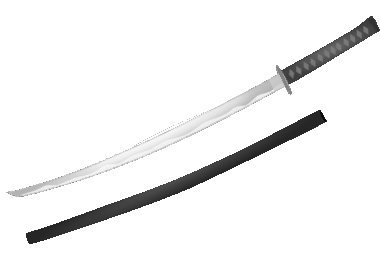
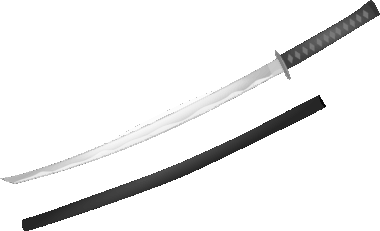
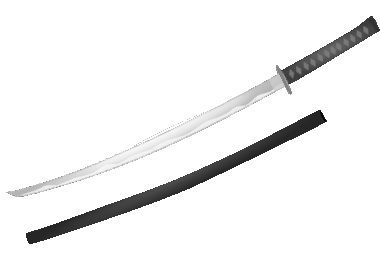
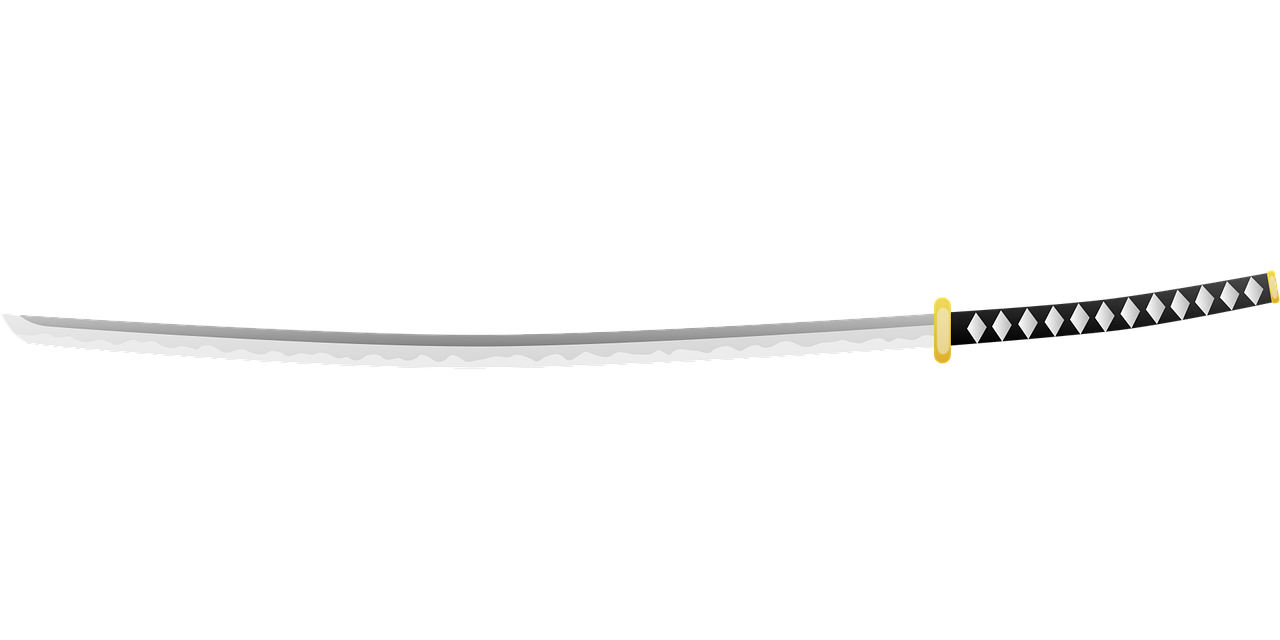
Martial arts and weapon crafting have been intertwined throughout history, reflecting diverse cultural practices and philosophies. Various forms of martial arts emphasize techniques using both traditional and modern weapons, highlighting the skills necessary not only to fight but also to create and maintain weaponry. The artistry of making weapons often requires meticulous attention to detail, ensuring functionality and balance. Each region has its own unique approach, from the katana of Japan to the machetes used in various combat styles globally. Understanding weapon crafting can enhance martial skills, providing practitioners with insights into the design and use of their tools. Furthermore, learning about the historical context of various weapons enriches one’s martial journey. For students of weapon-based martial arts, recognizing the link between combat techniques and the craft of weapon-making can deepen appreciation and respect for the discipline. It promotes a holistic understanding of martial practice, merging the physical with the creative and technical aspects inherent in both arts. Thus, delving into this intersection offers numerous benefits for martial artists, enriching their skills and knowledge in meaningful ways.
The Role of Tradition in Weapon-Based Martial Arts
Tradition plays a crucial role in weapon-based martial arts, influencing both training practices and the weapons themselves. Many practitioners honor the historical origins of their art, engaging with the traditional forms of weaponry that have been passed down through generations. This connection to tradition fosters a sense of identity and purpose within the practice. Martial artists often study the historical context of their weapons to better understand their functions and significance. For instance, the bo staff, an iconic weapon, has roots in ancient Japan, and its use reflects philosophical principles of distance and timing. Moreover, traditional weapon crafting involves respect for materials and methods, emphasizing sustainability and artistry. Students learn not just to wield the weapon, but also to appreciate the craftsmanship involved in its creation. Such training enhances respect for the cultural heritage associated with weaponry. As martial artists practice their skills, they simultaneously become custodians of these traditional methods. This dual engagement encourages a deeper dialogue with the past while fostering continuity in martial traditions for future generations.
In weapon-based martial arts, the harmony between physical strength and mental acuity cannot be overstated. Practitioners must cultivate their minds alongside their bodies, exhibiting a blend of discipline, focus, and creativity. The act of crafting a weapon necessitates not only physical labor but also an understanding of balance, symmetry, and purpose. This intellectual engagement deepens the martial artist’s connection to their practice, offering avenues for creativity and self-expression. Crafting weapons requires precision and patience, qualities integral to martial training. Whether forging a sword or fashioning a spear, each step demands careful consideration. As artists and warriors collaborate, they become part of a lineage of makers, warriors, and thinkers. This interaction between crafting and practicing allows martial artists to experience both sides of their discipline intimately. Furthermore, many practitioners discover innovations and variations on traditional weapons through creativity. Material experimentation can lead to improvements in design while respecting the core principles of the martial art. This fusion of creativity and tradition ultimately enriches both the practice of martial arts and the craft of weapon-making.
The contemporary landscape of martial arts continues to evolve, incorporating newly developed techniques and innovative weapons. As various styles integrate, the necessity for adaptability becomes increasingly vital. Modern practitioners often face the challenge of merging age-old traditions with contemporary training methods and philosophies. This fusion can yield additional insights, allowing martial artists to innovate within their disciplines while maintaining the essence of their original art forms. Additionally, technological advancements have improved weapon construction methods, introducing materials previously unavailable. The incorporation of this technology enhances durability and performance, making weapons more functional for martial applications. However, this also raises the question of balance between tradition and progress. How can martial artists stay true to their roots while exploring modernization? The answer lies in respect: honoring the past while engaging with the present. Practitioners may choose to master traditional forms before incorporating modern techniques, ensuring a balanced approach. Engaging with their history enables martial artists to appreciate the evolution of their art, creating a richer understanding of their weapons and enhancing their fighting capabilities.
The Importance of Safety and Responsibility
Safety in the use of weapons is paramount for martial artists and instructors alike. Understanding the risks associated with weapon training—including accidents and injuries—is essential for responsible practice. Safety protocols must be meticulously observed to prevent mishaps during training sessions and demonstrations. Practitioners should utilize protective gear, such as helmets and pads, and ensure that training environments are adequately prepared for practice. Additionally, instructors play a vital role in establishing a culture of safety, promoting responsible weapon handling from the outset. This responsibility extends beyond the classroom; martial artists must also appreciate the societal implications of weapon use. As skilled practitioners, they carry the responsibility of ensuring that their abilities are used solely for self-defense and personal growth, rather than aggression or violence. Education about the cultural roots of the weapons employed offers insight into their original purposes, instilling respect for their history. Ultimately, by prioritizing safety and responsibility, martial artists foster environments conducive to growth, community, and mutual respect among practitioners, enhancing their martial experience.
The philosophical underpinnings of weapon-based martial arts provide a rich ground for exploration. Many martial arts systems incorporate principles that extend beyond the physical practice, delving into ethics, strategy, and personal development. Concepts such as respect, humility, and perseverance are closely linked to both martial training and weapon crafting. Practitioners learn that mastery of weapons brings with it a responsibility to engage positively with oneself and the community. The art of crafting weapons emphasizes these values, reminding individuals of their connection to something larger than themselves. By creating tools for self-defense, they gain a deeper understanding of their purpose as martial artists. Many find that the journey towards mastery in weapon-based martial arts is not just about combat skill; it’s also about character building. Artists learn to overcome obstacles, both mental and physical, fostering resilience. The relationships forged between the weapon, its creator, and the practitioner lead to deeper reflections on the nature of combat and self-defense. In this manner, weapon-making nurtures insights that enhance martial practice beyond just technical execution.
Conclusion: The Future of Weapon-Based Martial Arts
As we look forward to the future of weapon-based martial arts, it is clear that the intersection with traditional weapon crafting will remain significant. The ongoing dialogue between practitioners and traditional artisans is vital for preserving the heritage while also allowing for evolution. Innovations in materials and techniques will continue to forge new paths, revitalizing interest and participation in martial forms. Future generations of martial artists will likely see the blending of approaches, incorporating technologies such as 3D printing in weapon crafting or virtual training simulations for skill enhancements. Despite technological advancements, the heart of martial practice will always revolve around the connection to past traditions and the wisdom gleaned from them. The challenge will lie in balancing modernity with tradition, ensuring that core values remain intact. Sustaining interest through community engagement, training camps, and collaborations between diverse styles will foster growth. In embracing both innovation and tradition, the future of weapon-based martial arts promises to remain vibrant, empowering practitioners to explore and innovate while honoring their craft and history.
In summary, the rich tapestry of weapon-based martial arts woven with traditional weapon crafting provides a holistic understanding of martial practice. Each facet enhances the other, from the physical aspects of combat to the intricate art of crafting the tools of that combat. Practitioners can find profound meaning in their training by discovering the connections between the two disciplines, ultimately leading to a fuller mastery. The exploration of both techniques and the philosophy behind martial arts opens pathways for personal growth and self-discovery. Through this journey, martial artists glean wisdom from their forebears, allowing it to inform their social responsibilities. The future holds much promise for those willing to explore this intersection deeply and thoughtfully. Embracing new challenges while honoring ancestral traditions will cultivate a rich martial culture for years to come. As we engage with this concept, we find the richness in tradition and innovation, reshaping our sense of identity in martial arts. Thus, the holistic approach to weapon-based practice will continue to thrive, ensuring a vibrant future for enthusiasts and practitioners alike.