
How Fitness Communities Influence the Evolution of Workout Routines
The rise of fitness communities has significantly altered how workout routines are developed and shared. Traditionally, routines were often created individually without much collaboration or feedback. However, these communal spaces offer an environment where individuals can share their experiences and preferences, leading to the evolution of increasingly diverse and effective workout regimes. Now, personal anecdotes hold as much value as expert advice when it comes to crafting effective fitness plans. As fitness enthusiasts gather online and offline, they exchange insights that help refine not just personal techniques but collective methods as well. This approach nurtures a culture of support and accountability, motivating individuals to pursue their fitness goals vigorously. Members of these communities often utilize easily accessible platforms like social media to share transformations, tips, and resources. A versatile workout routine now reflects the contributions of many voices within these spaces, leading to progressive changes. Furthermore, many fitness communities focus on inclusivity, ensuring that diverse needs are met and that every individual feels represented and catered to in their fitness journeys. Engaged communities encourage constant evolution, enhancing the motivation to stay healthy and fit.
In understanding the role of fitness communities, we must acknowledge how they foster a sense of belonging that plays a crucial part in workout routine effectiveness. Many individuals struggle with motivation when they embark on their fitness journeys alone. When surrounded by others who share similar goals, they are more likely to persist despite difficulties. Social interaction positively impacts enthusiasm levels, allowing members to share successes and learn from failures collectively. Regularly scheduled group workouts or challenges entice participants to commit consistently, knowing they have a support network invested in their progress. Moreover, these communities frequently organize events or challenges that can stimulate innovative approaches to traditional workouts. The exchange of ideas leads to varied formats like HIIT, circuit training, or dance-based fitness sessions arising from communal participation. Fitness communities often host workshops and classes that expose members to new techniques, ultimately enriching their workout repertoires. This learning experience is not restricted to advanced members; beginners find guidance and encouragement as they learn about healthy practices. The realization that fitness is a communal endeavor fosters resilience among participants, leading them to redefine their physical capabilities in ways thought impossible before joining.
The Influence of Online Platforms
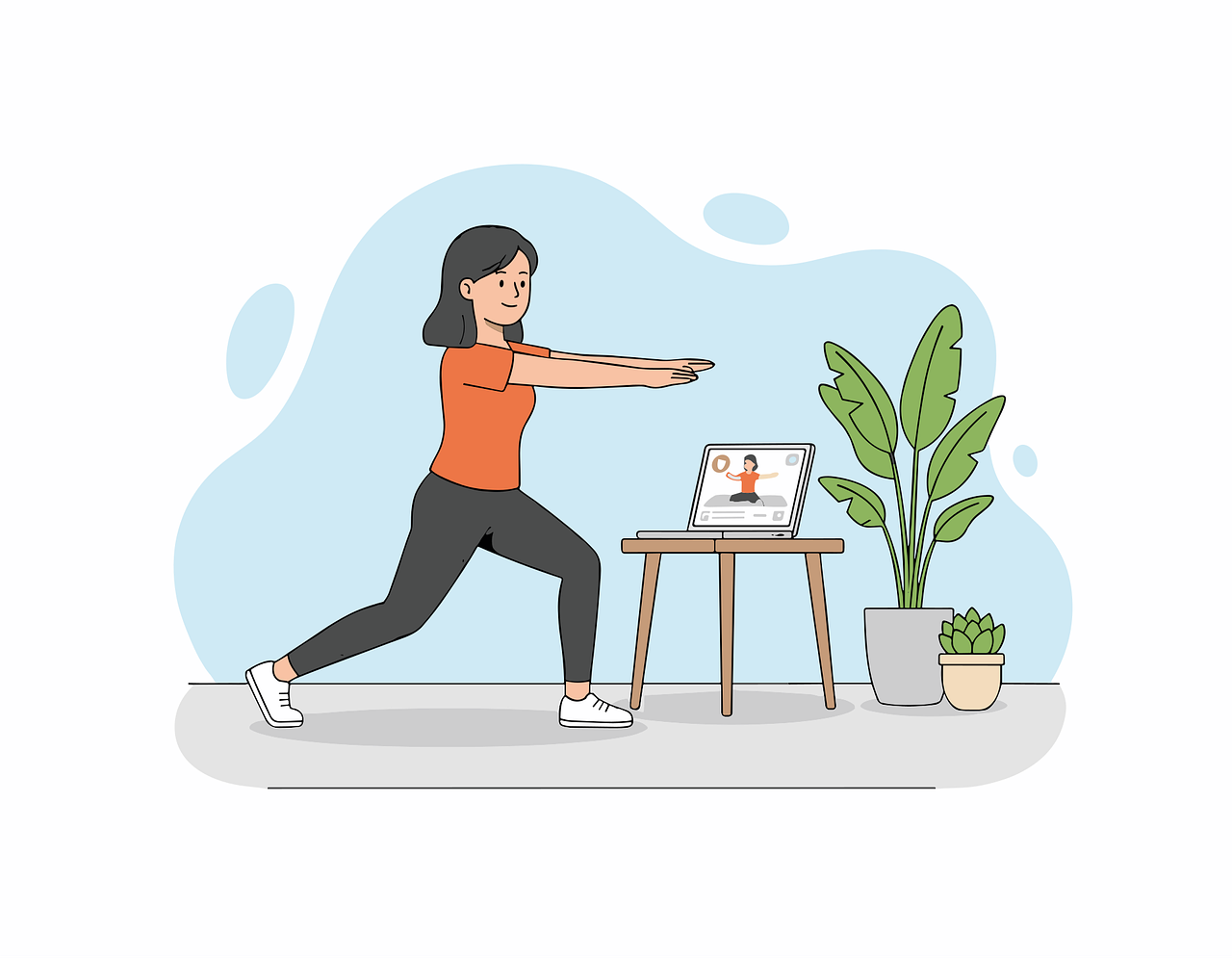
Online platforms have revolutionized the way workout routines are shared and adopted. Providing a space for individuals to connect with a global audience, these platforms support the exchange of a multitude of ideas. Video streaming, articles, and virtual challenges have become essentials for fitness communities, making it easier to implement innovative workouts. Influencers, trainers, and everyday enthusiasts create content that showcases novel techniques, inspiring members to adapt and try new strategies. These diverse online communities fuel motivation, elevating members’ confidence to explore unconventional methods. The sharing of personal success stories combined with shared trials fosters a sense of camaraderie that promotes individual growth. Additionally, the ability to interact through comments or message boards encourages discussion, allowing members to seek advice on modifying routines to fit their personal needs. Filtered through the lens of communal support, these innovations transform perceptions about fitness—making it more inviting. Virtual fitness classes expand accessibility, enabling members from various backgrounds to participate without geographical constraints. As a result, the evolution of workout routines now reflects this blend of tradition and innovation that online fitness communities continually generate, leading to greater adaptation and growth for individuals.
Moreover, these communities often emphasize the importance of personalization in workout routines, recognizing that no single method works for everyone. Feedback mechanisms available through various platforms allow community members to seek recommendations tailored to their unique goals. As queries spark discussions, individuals can discover alternatives they may not have considered previously. This adaptability fosters inclusivity and ensures that everyone can find a workout that resonates with them personally. Furthermore, the communal support extends to sharing nutrition guidance, lifestyle tips, and recovery strategies to complement fitness regimens. Nutrition blogs, recipe sharing, and meal-planning resources sourced from community input magnify the holistic approach to well-being. These added elements strengthen workout routines, guiding individuals to achieve comprehensive results. Emotional support plays a vital role in driving commitment; successes can be celebrated, and setbacks addressed collectively. Healthy relationships founded on encouragement and shared aspirations contribute positively to the journey of everyone involved. Consequently, these interactions establish a dynamic environment where members feel empowered to explore various workout styles and make informed decisions for their personal health journeys.
Challenges and Resilience
Despite their advantages, fitness communities also face challenges that influence the ability to refine workout routines. Misinformation can spread rapidly through social channels when enthusiasts share unverified claims about specific routines or methodologies. This risk underscores the importance of critical thinking and informed advice when approached. Communities must diligently curate their shared content, advocating for science-backed practices to ensure all participants gain accurate information. In some instances, competition can lead to unhealthy behaviors, where individuals strive for unrealistic goals. To foster resilience within communities, it’s essential to promote mental health awareness and address the psychological aspects of fitness journeys. Regular discussions about body positivity, self-acceptance, and individual progress are essential to counter toxicity that may arise. Initiating conversations to challenge harmful narratives can build a supportive environment. Leaders within these communities serve as role models, promoting balanced approaches to health that encompass both physical and mental well-being. By prioritizing healthy relationships over aggressive competition, members can avoid burnout and foster long-term commitment to personal growth. Cultivating resilience ultimately empowers individuals to remain steadfast in their journeys, continually adapting their workout routines as necessary.
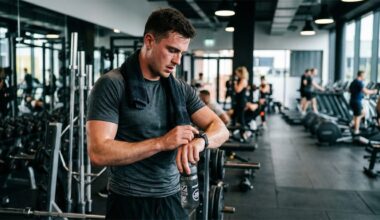
Integration of technology within fitness communities has also transformed how workout routines evolve. Fitness trackers, apps, and online challenges provide personalized feedback, making workouts more engaging and efficient. Individuals can monitor their progress in real-time, which encourages community engagement through sharing achievements. Recognizing personal milestones fosters a shared sense of accomplishment, strengthening community bonds. These technological advances accompany physical workouts, bridging gaps between members who may not meet in-person regularly. Members leverage social media platforms to document their routines, offering insights and inspiring others to step out of their comfort zones. This tech-driven evolution also opens doors for remote collaborations, where trainers can conduct virtual sessions for extended participants. Offering flexibility in scheduling and location, fitness technology encourages members to remain committed to their wider community goals. Many apps and platforms allow users to connect in groups, sharing tips and advice as they advance together. Benefitting from tech support enriches the workout experience, leading to diversified methods nurtured through engagement and continuous learning. By integrating these aspects, fitness communities become breeding grounds for effective and modern workout routines that resonate with varied audiences.
Conclusion: The Future of Workout Routines
As fitness communities continue to evolve, they will play an even more significant role in shaping the future of workout routines. With the adoption of emerging technologies, there is immense potential to create personalized routines that cater to each individual’s needs. The data collected from wearables and fitness apps can significantly enhance abilities to tailor training regimens based on performance and recovery. This shift will promote a deeper understanding of health and wellness while also enabling higher adherence levels. Communities will likely adopt even more sophisticated tools that facilitate connection and engagement. As a result, workout routines will continuously adapt to take advantage of evolving trends and modalities that emerge. Virtual reality, gamification and other innovations could redefine how individuals approach fitness altogether, bringing excitement to traditional workouts. As communities expand globally, the focus on inclusivity will provide everyone with opportunities to engage in enjoyable fitness practices. Ultimately, this progression identifies fitness not merely as an individual goal but as a shared journey that celebrates collective health. By harnessing the power of community spirit, the lasting impact on workout routines will promote lifelong commitment to fitness and well-being for everyone involved.
In conclusion, it’s clear that fitness communities play a pivotal role in fostering innovation and motivation among their members. These groups encourage collaboration, allowing for the exchange of successful routines and fit lifestyles. Members can build a profound sense of belonging that fuels individual and collective goal achievement. With technology enhancing every interaction, workout routines will remain dynamic, quickly adapting to the ever-changing landscape of fitness trends responding to new methods. As knowledge and understanding flourish within these communities, better routines emerge, benefitting everyone and making fitness accessible for all. Therefore, it is essential to recognize the integral connection between community and workout evolution. Communities can propel individuals forward by supporting one another through shared experiences, goals, and achievements.