
How to Incorporate Movement Breaks While Using a Standing Desk
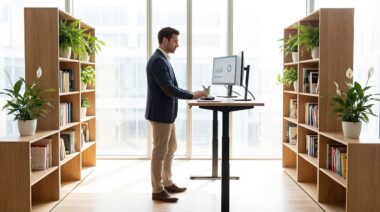
Using a standing desk is a great way to reduce the negative effects of prolonged sitting. However, it’s crucial to incorporate movement breaks effectively, as standing still can also pose risks. To maintain an ergonomic position while standing is important for preventing fatigue. Incorporate gentle stretches into your routine, focusing on your neck, shoulders, and back. As you incorporate movement into your day, prioritize functional exercises that promote flexibility and core stability. Walking around your workspace can create a more dynamic environment. Frequent micro-breaks are essential; consider breaking the hour standing into smaller segments, with short movement breaks after every 15-20 minutes. Try to include light exercises such as calf raises and ankle circles while moving. Keep a timer or use an app that reminds you when it’s time to move. Also, consider using an anti-fatigue mat to provide a more comfortable surface underfoot. While standing for work, ensure your monitor is at eye level to avoid neck strain. Integrating these strategies effectively can enhance comfort and productivity while using a standing desk.
To enhance your productivity while using a standing desk, purposeful movement is necessary. Start by setting attainable goals for your movement breaks. Define what activities you will incorporate during these breaks and make them part of your daily routine. You might try simple actions such as walking to a colleague’s desk instead of sending an email, or taking a few laps around the office. Eating lunch away from your desk while standing or walking encourages digestion and further helps break sedentary habits. Consider creating a standing desk station near a window or in a space that encourages movement. This can motivate you to take breaks, enjoy fresh air, and even do simple stretches outdoors. Another useful tip includes keeping your water bottle at a distance. This ensures that you’re getting the nutrients and hydration you need while also prompting you to move more frequently to fill it. Simple minor changes like these can seamlessly integrate movement throughout your day, making it easier to stay active. Ultimately, prioritize and schedule movement breaks to focus on your overall health while embracing the benefits of a standing desk.
Effective Stretches to Include
Incorporating intentional stretches during your movement breaks will alleviate tightness and fatigue experienced while standing at your desk. Here are several stretches worth trying. Begin with shoulder rolls, rolling them forward and backward to release tension. Your next movement can involve neck stretches; tilt your head side to side and forward to enhance your neck flexibility. Additionally, practicing wrist and finger stretches are essential to counteract the effects of repetitive motions used while typing. Try bringing your hands together, fingers interlocked, and push them outward at shoulder height. You can also incorporate lower body stretches such as quad stretches and hamstring stretches. Stand on one leg and grab the opposite ankle to gently pull it toward your glutes for a quad stretch. A seated forward fold while standing can help stretch the hamstrings and lower back. Each of these stretches should be held for at least 15-30 seconds. You could also promote more variety by including yoga poses that fit into your standing breaks. This ensures a positive movement experience for both your body and mind while using the standing desk.
Consider implementing mobility exercises during your movement breaks to promote joint health and flexibility while using a standing desk effectively. Start with simple movements that involve your legs and hips. One effective mobility exercise is the hip circle, where you stand on one leg and rotate your other knee out to the side while keeping your hips stable. This will help improve the range of motion. Other useful movements include lunges and hip openers. Simply stepping forward with one leg into a lunge allows the hip flexors to stretch and engage your glutes. You can also perform dynamic stretches by incorporating lateral movements, allowing your legs to step side to side to enhance cardiovascular health. Another option is to practice balance by standing on one leg for a few moments. While standing desk usage is beneficial, these added mobility exercises can create a more active work environment. By creating a routine that emphasizes mobility, you can combat stiffness while working at your standing desk. Most importantly, listen to your body and adjust your routine based on its needs as you progress.
The Role of Technology in Movement Reminders
With technological advancements, several tools and apps can assist in ensuring you incorporate movement breaks throughout your day effectively. Consider using productivity timers or apps designed specifically for standing desk users; they can offer alerts when it’s time to take a break. Finding features that allow for personalized exercise reminders can also add value to your schedule. Some fitness wearables come equipped with proximity alerts that remind you to stand or move based on your activity levels. Smartphone apps can offer a variety of simple exercises that you can do during your breaks, making it convenient to remember your routine. Further, establishing a work routine with colleagues can be beneficial; sharing mutual movement breaks can foster support and motivation. To add variety, participate in team challenges to see who can take the most steps or incorporate group stretches. Finding a way to digitally connect to your wellness goals can help hold you accountable and remind you of the importance of regular activity. Using available technology can dramatically enhance your effectiveness in implementing movement breaks while promoting a healthy lifestyle with your standing desk.
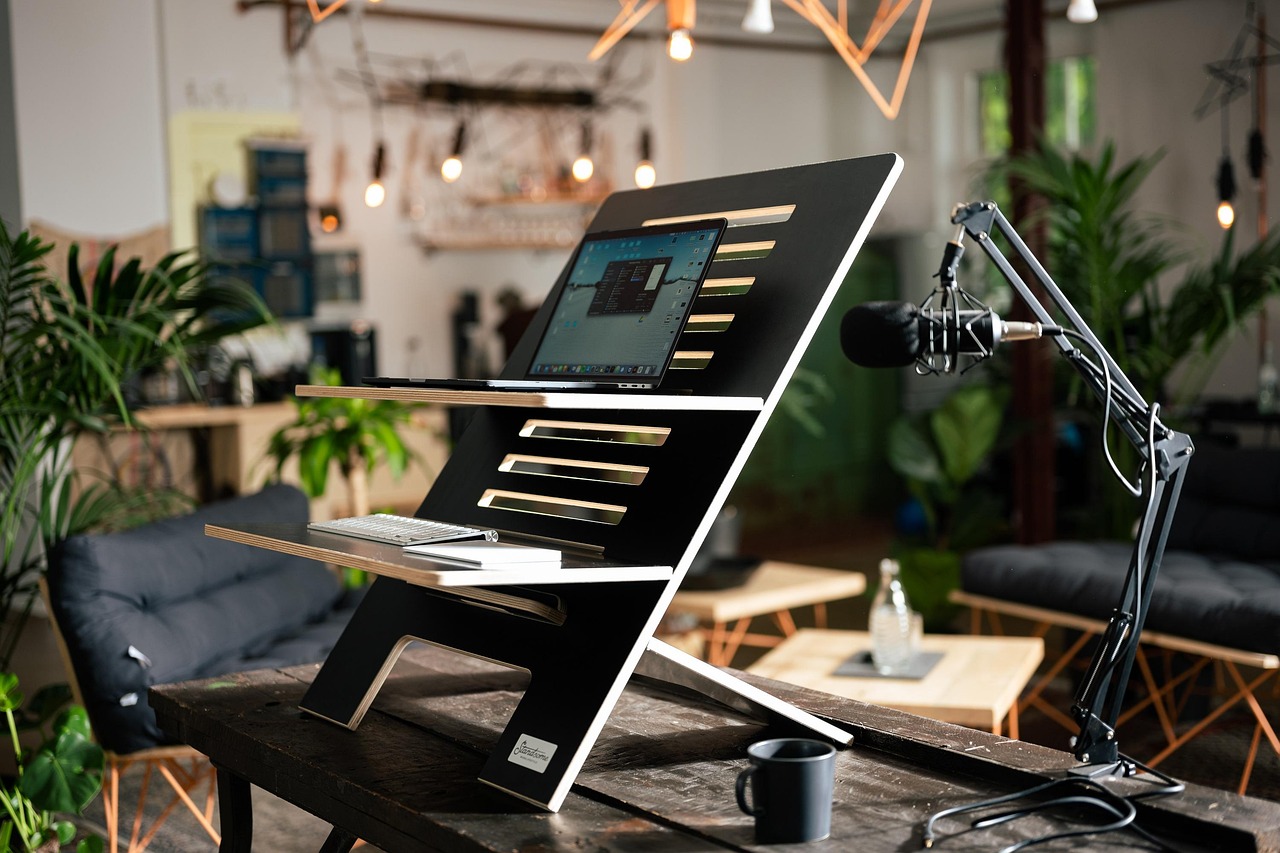
Finally, the ambiance of your workspace plays a key role in encouraging movement breaks. Your setup should promote a positive environment where you feel motivated to engage in physical activities. Add elements to your space that inspire movement while at your standing desk. Personalize your area with items that motivate you, whether it’s motivational quotes, your favorite plants, or even a physical activity tracker. Additionally, consider your physical space and how it encourages mobility; ensure your standing desk is placed in an area that allows for easy access to move around. Encourage an active workspace culture by designating space for group workouts or stretching sessions during breaks. Having a comfortable pair of shoes or a supportive mat can also support your physical engagement throughout the day. As you creatively enhance your surroundings, it may inspire more natural movements. By fostering a workplace atmosphere aimed at promoting benefits from standing desk use, you can enrich the productivity and well-being of your team. Overall, the mindset you cultivate and the space you create can lead to a positive change.
Conclusion and Last Tips
In conclusion, maintaining a balance between standing and movement breaks at your desk is vital for overall well-being. Implementing the strategies mentioned above can ensure that you enjoy the numerous benefits of using a standing desk without the downsides of prolonged standing. Prioritize your movements by scheduling them into your routine – remember, even small activities designed to promote movement count. Whether it’s taking a quick stroll after meetings, engaging in stretches, or utilizing tools that facilitate reminders, each choice makes a significant impact. Take time to assess what activities work best for you personally. Explore different mobility and flexibility-enhancing exercises, customizing them to suit your preferences. Encourage discussions around using standing desks and share your journey with colleagues for added motivation. With knowledge and awareness of the importance of movement, you can turn your standing desk into a dynamic workspace that fosters health and productivity. As you embrace the possibilities, commit to making those changes, and watch your efficiency evolve as you prioritize mindful movement throughout your work day!