
Future Directions for Research and Innovation in Adaptive Fitness and Disabilities
The intertwining of technology and adaptive fitness for individuals with disabilities will drive substantial innovation moving forward. Numerous researchers are exploring ways to enhance participation in fitness programs for people with various disabilities. Innovations may include developing assistive technologies, advanced fitness equipment, and personalized fitness regimens tailored to individual needs. As the population ages, inclusive fitness solutions will become more relevant, and researchers anticipate the emergence of fitness programs that cater to all. Technologies utilizing AI and machine learning could further personalize fitness plans by analyzing performance data and adapting exercises accordingly. Remote monitoring of fitness activities via wearable technology could offer critical feedback to users and fitness instructors. Future research will likely expand into validating the effectiveness of various adaptive fitness programs and their social impacts. Addressing barriers to entry in adaptive fitness facilities may also present significant opportunities. This includes overcoming stigma and promoting community engagement. The synergy of these developments can lead to higher participation rates. It is essential that adaptive fitness options become widely accessible in order to promote an inclusive environment for everyone.
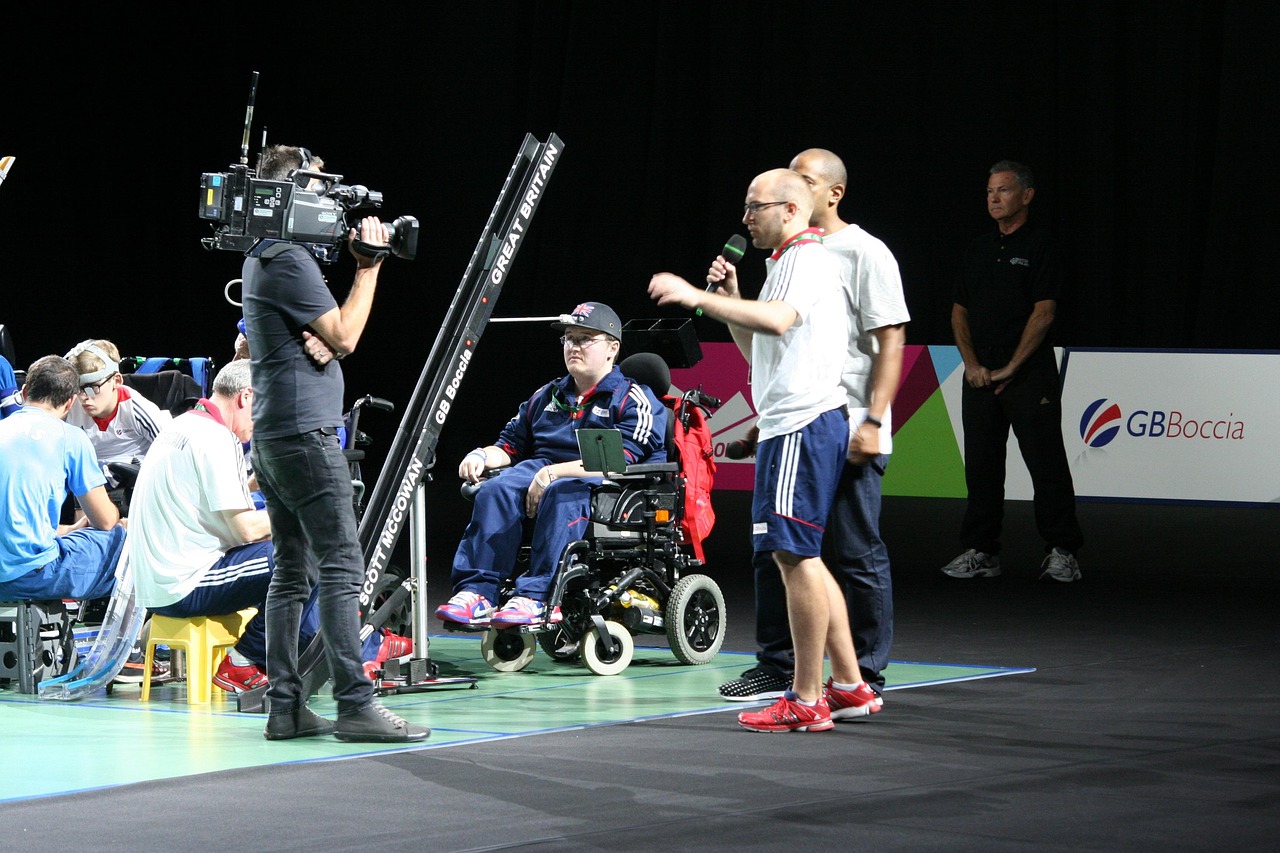
Collaborative efforts between universities, healthcare professionals, and fitness organizations are vital for advancing adaptive fitness innovations. These partnerships aim to implement evidence-based practices in developing new adaptive fitness programs. Researchers can share insights about effective strategies based on numerous studies, which can foster collaborative research opportunities that can lead to groundbreaking innovations. Furthermore, real-world pilot programs will actively evaluate the practical application of such research, ensuring results are valid and beneficial. Diverse stakeholder engagement is crucial in addressing the multifaceted issues people with disabilities face in fitness settings. Community feedback can help shape inclusive programs and technologies that genuinely meet end-users’ needs. Innovations will likely include adaptive sports initiatives, rehabilitation-focused fitness programs, and virtual coaching tailored to individuals with disabilities. Emphasis on qualitative data from participants can unveil specific areas for improvement. Inclusive marketing strategies can raise awareness. The future will require a comprehensive approach involving all facets of society in promoting adaptive fitness. This includes policymakers and fitness industry professionals, ensuring a societal shift toward inclusivity in health and wellness for individuals regardless of ability or disability.
Impact of Technology in Adaptive Fitness
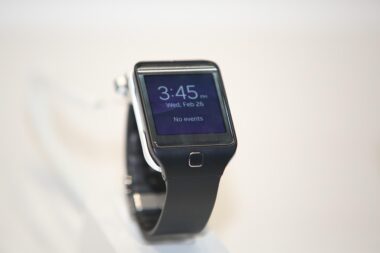
Technology will continue to play a pivotal role in the future of adaptive fitness. Innovations such as virtual reality (VR) and augmented reality (AR) integrate engaging fitness options that can motivate persons with disabilities to participate actively. Platforms can be designed to enhance the inclusivity of fitness through customized VR experiences suited for individuals with various mobility limitations. These tools can offer immersive environments where users can engage in physical activity while enjoying real-world interactions. Wearable devices and fitness apps that monitor progress, heart rate, and physical exertion will be key components of the new adaptive fitness landscape. Continuous evolution in smartphone applications will facilitate real-time coaching, capable of offering modifications on the spot. As more individuals with disabilities use these technologies, data collected will offer insights into improving these tools. Collaborative teams specializing in UX/UI design will have to ensure these applications are user-friendly and easily accessible. Pioneering research will focus on testing how these emerging technologies impact motivation and physical outcomes, while refining solutions that effectively support users’ needs in achieving their fitness goals.
Key challenges associated with adaptive fitness practices include limited access to resources and facilities that cater to individuals with disabilities. To overcome these barriers, ongoing research into equitable access and affordability of adaptive fitness solutions is paramount. Innovations could involve community-focused initiatives that provide free or low-cost adaptive fitness programs. Research could also explore the effectiveness of mobile fitness units, capable of bringing adaptive fitness opportunities directly to different neighborhoods. Success stories from various programs should be disseminated to foster widespread knowledge about this vital aspect of inclusive health. Understanding these barriers will lead to policy changes that support accessible fitness environments. Advocacy for inclusive design principles in public spaces and fitness facilities will further promote accessibility for all. Additionally, researchers must work with architects and fitness instructors to design spaces conducive to adaptive models. Creating environments that encourage participation involves careful planning and input from affected communities. Partnerships with local governments and non-profits can help enhance visibility. With concerted efforts to tackle these challenges, a brighter future for adaptive fitness can be envisioned, paving the way for healthier lifestyle choices among individuals with disabilities.
The Role of Community in Adaptive Fitness
A sense of community is essential for fostering inclusive adaptive fitness initiatives. Developing social connections in fitness environments can motivate individuals with disabilities to pursue physical activity consistently. Research has shown that community-based programs significantly improve health outcomes by promoting accountability and camaraderie among participants. Access to support networks and mentors can encourage individuals to engage in fitness activities regularly. Group classes designed specifically for adaptive fitness allow participants to share their experiences, challenges, and successes, leading to increased motivation. Local organizations could implement outreach programs to educate the community about adaptive fitness opportunities available to individuals with disabilities. Such initiatives create an encouraging atmosphere that empowers individuals and dispels misconceptions about disabilities. Community events, workshops, and collaborations with local influencers can enhance visibility and interest in adaptive fitness programs. Furthermore, engaging local businesses in sponsoring adaptive fitness events can enhance resources and opportunities that foster participation. Through the combined efforts of communities, local health advocates, and organizations promoting adaptive fitness, substantial progress can be achieved in addressing disability-related barriers in fitness contexts.
Researching the mental and emotional aspects of people with disabilities involved in fitness will lead to a comprehensive understanding of the holistic benefits of adaptive fitness engagements. Notably, studies exploring self-efficacy in adaptive fitness participants are important for understanding how fitness experiences affect confidence and self-image. Empowering individuals through goal-setting and personalized training can significantly enhance their mental health. Research needs to dive deeper into how individuals’ participation in adaptive fitness impacts overall well-being. Investigating relationships between physical activity levels, social interaction, and psychological health can contribute to validating adaptive fitness’s role in personal growth. Moreover, the research will need to explore the effects of outdoor activities as a means of inclusion in adaptive fitness, evaluating how natural environments influence mood and encourage engagement. Findings from this research can help fitness professionals incorporate mindfulness and adaptive strategies best suited for different groups. Continuous investigation into how fitness technology also plays a role in emotional health among disabled individuals will provide insights. This knowledge will help refine adaptive fitness programs to support emotional and psychological resilience.
Future Implications of Inclusive Policies
The role of policy and advocacy will be critical in shaping the future of adaptive fitness and disabilities. Inclusive policies can drive funding and resources toward developing adaptive fitness solutions for individuals with disabilities. Ongoing research must assess the efficacy of existing programs and demonstrate the need for additional support. Government initiatives encouraging inclusive practices within schools and community programs will play a vital role in shifting public perceptions about fitness for people with disabilities. Collaboration with policymakers will lead to guidelines that prioritize access to adaptive fitness programs across various demographics. Moreover, successful advocacy can translate into funding directed toward adaptive fitness training for professionals in the industry. This will help ensure that trainers and facilitators are well-equipped to support individuals efficiently. Research findings regarding accessibility and participation rates can influence legislation promoting equity in fitness resources. As the society engages more in discussions around disability rights, an emphasis on physical health will undoubtedly grow alongside it. Therefore, a continuous focus on improving and innovating adaptive fitness strategies will contribute significantly to enhancing the lives of those with disabilities, leading to better health outcomes.
To summarize, the future of research and innovation in adaptive fitness and disabilities is poised for evolution driven by collaboration, technology, community engagement, and policy changes. Innovations will foster inclusive environments where individuals with disabilities can thrive in their fitness endeavors. Research will seek to address existing barriers and strive for greater implementation of adaptive fitness programs. Understanding the multifaceted needs of the disabled community will help shape personalized approaches that holistically support well-being. The incorporation of advanced technologies, thoughtful inclusivity considerations, and community-based programs will create a fabric of support around adaptive fitness. Continuous research efforts will crystallize best practices while raising awareness. As society recognizes the importance of inclusivity in fitness, opportunities for involvement will expand. Future strategies can transform the landscape for people with disabilities, helping them lead fulfilling lives enriched by physical activity. As these developments unfold, adaptive fitness will serve as a cornerstone of health equity, enhancing opportunities for everyone. iInclusion, empowerment, and community will dictate the path forward in adaptive fitness and disabilities. Collective research findings and innovative solutions shall shape a new era of adaptability in fitness globally.