
Misguided Focus on Abdominal Exercises Too Early Postpartum
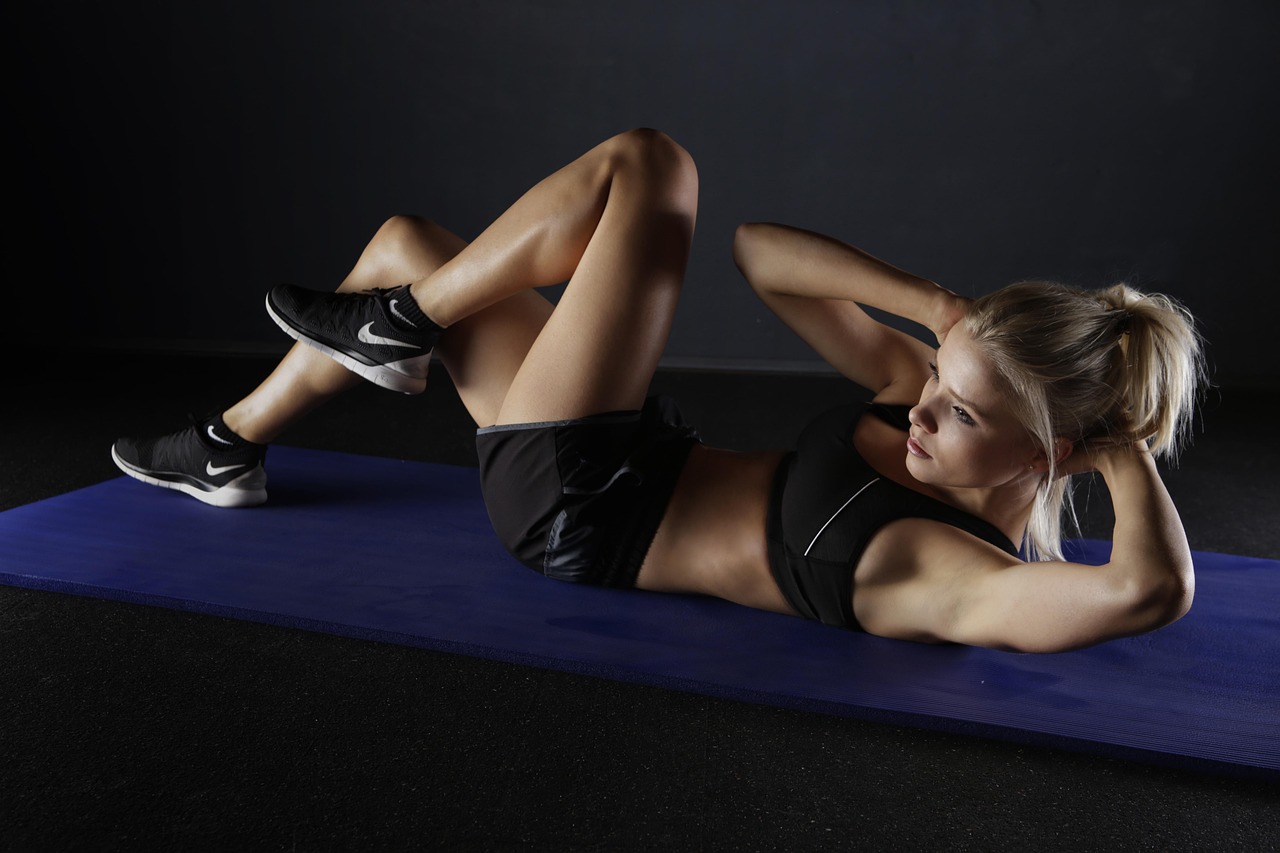
After giving birth, many new mothers feel pressure to return to their pre-baby bodies. Unfortunately, this often results in an overwhelming focus on abdominal exercises too soon after delivery. Women are encouraged to engage in movements like crunches or planks without considering their unique postpartum bodies. Immediately targeting the abs may disrupt recovery and hinder optimal healing. Instead of forcing the body into a strenuous routine, it’s essential to prioritize gradual healing. After childbirth, women face various physical challenges, including weakened core muscles and pelvic floor issues. Engaging too early in intense abdominal workouts can lead to injury or prolonged discomfort. Moreover, these practices can further exacerbate diastasis recti, a condition affecting many new mothers. Understanding the female body’s recovery process can promote a better approach. The initial focus should be on restorative movements, pelvic floor exercises, and gentle stretching to prepare the body for future work. Emphasizing this foundational strength allows for safer transitions into more vigorous fitness routines. Always consult with healthcare practitioners before any exercise, and consider seeking guidance from certified postpartum fitness specialists for tailored advice.
Understanding Body Changes After Birth
During the postpartum period, the body undergoes numerous changes that influence physical activity. Alterations in hormone levels, as well as muscle and connective tissue changes, can affect recovery. Immediately after childbirth, the body is still adjusting, and engaging in strenuous abdominal workouts too soon can be counterproductive. It’s crucial to recognize these changes and listen to the body’s signals. Many women may experience a weakened core due to pregnancy strain, making early abdominal exercises potentially harmful. Instead of immediately jumping into core workouts, focus should shift towards safe and gentle movements. Activities designed specifically for postpartum women include pelvic floor exercises, stability ball practices, and low-impact walks. These help rebuild strength progressively while addressing any pelvic floor concerns. Favoring a holistic approach to postpartum fitness not only aids in recovery but also establishes a solid foundation for future workouts. Above all, patience is vital. Each woman’s body responds uniquely to birth, making it essential to adapt any fitness routine to personal needs. Furthermore, emotional well-being during this period should never be neglected. Fitness should be enjoyable and empower the postpartum journey.
Many well-meaning resources promote rigorous abdominal workouts to help mothers regain their figure. However, this misguided focus can lead to negative consequences. To set healthful and realistic fitness goals, gather information from credible sources, including books, articles, and professional advice. Scientific evidence supports prioritizing functional movement over early hardcore abdominal exercises. Aiming for cardiovascular activity, gentle stretching, and proper breathing techniques should take precedence. Starting with a focus on core stability rather than intensity can benefit muscle recovery and enhance overall function. As mothers embark on the fitness journey, they must understand the importance of gradual progression. The combination of safe exercises with a balanced diet will yield exciting results over time. Consult with healthcare professionals or physical therapists specialized in postpartum care for personalized guidance and support as well. Engaging in group classes led by certified postpartum instructors may cultivate positive experiences and personal motivation. Community experiences can also remind individuals they are not alone. Sharing struggles and triumphs with other mothers fosters encouragement throughout this phase. Eventually, more intense workouts like Pilates or strength training can be introduced seamlessly, once a solid foundation is established.
Emotional Considerations in Postpartum Fitness
In addition to physical recovery, emotional well-being is crucial during the postpartum period. Adjusting to motherhood often brings mixed feelings and heightened stress levels. The desire to regain physical fitness can sometimes exacerbate these emotions, leading to added pressure. Maintaining a balanced perspective on health and fitness should always be prioritized. Establishing achievable fitness goals lessens feelings of inadequacy or frustration. It also helps preserve mental health throughout the transition into parenthood. Engaging in enjoyable activities that promote relaxation and bonding with the baby can significantly enhance postpartum recovery. Activities like yoga, gentle walks, and even baby-wearing exercises can create a harmonious blend of fitness and emotional healing. Interacting with supportive communities, be it in-person or through online platforms, fosters a sense of belonging during this transformative time. Sharing experiences, encouraging each other, and building friendships can offer immense emotional support. Recognizing that every postpartum body is unique helps in forming a healthier mindset around expectations. Above all, prioritize self-care and kindness. It’s essential to accept that recovery will take time and fluctuating emotions are normal in this transformative period.
Returning to fitness doesn’t mean restricting oneself to only abdominal workouts. Exploring a variety of physical activities can support full-body recovery while keeping things interesting. Activities like swimming, walking, or prenatal yoga can be effective before advancing. Always aim to choose exercises that support functional strength. Integrating movements that include squats, lunges, and arm exercises can help ensure a comprehensive approach. Listen to the body, and observe how it responds to new activities. Should discomfort or pain arise during any workout, it’s essential to reassess and modify the plan. Fitness is a lifelong journey, and balance is paramount at every stage of motherhood. Celebrating progress matters significantly, no matter how small it may seem. Documenting physical milestones can motivate and establish a positive mindset towards fitness. Engaging with others can provide additional encouragement, allowing mothers to enjoy this process alongside peers. Intensive workouts can be incorporated later on, but the foundation should remain consistent. Once stability is achieved, gradual transitions into more advanced routines become feasible and sustainable. The focus should always stay on health and well-being rather than solely aesthetic goals.
Seeking Professional Guidance
When returning to exercise beyond the initial recovery phase, professional support can be invaluable. Finding certified postpartum fitness specialists ensures engaged sex differences and focuses on unique needs. These experts provide guidance on creating personalized fitness plans tailored specifically for postpartum recovery. Attending community classes with specialized instructors offers an excellent path for mothers. There’s often a community aspect that helps create connections with others on similar journeys. Alongside physical activity, understanding nutrition’s role in recovery is essential. Proper hydration and wholesome foods will greatly aid healing and support fitness endeavors. Nutrition can dramatically impact a mother’s energy levels and overall well-being during postpartum recovery. Also, consider consulting registered dietitians for tailored dietary guidance. Building a healthy relationship with food fosters sustainability in fitness plans, encouraging positive changes alongside physical activity. Integrating meal prep and family cooking can also introduce fun into healthy eating habits. As fitness grows stronger, focus should shift gradually towards higher-intensity training. Combining various strengths allows mothers to empower themselves while cherishing their postpartum journey, making the experience both enjoyable and rewarding.
In conclusion, avoiding the misguided focus on abdominal exercises too early postpartum can transform recovery and enhance overall well-being. It’s crucial to prioritize slow, restorative movements in the beginning stages after giving birth. Taking time to heal properly fosters healthier transitions into more intense fitness routines later on. For every new mother, understanding the proper steps towards postpartum fitness is key. Patience is vital throughout this process, as each woman’s body adapts uniquely. Choosing to embrace the journey rather than rush it builds confidence and self-esteem. Engaging in supportive communities of fellow mothers also cultivates connection and shared experiences. Always be gentle with oneself, acknowledging all efforts invested into recovery. And remember, it’s essential to focus on wholesome health instead of merely aesthetic goals. Relish every small victory along this journey back to fitness. After all, good health embodies both physical strength and emotional resilience. So take heart during this transition, appreciate your body’s capabilities, and cherish the love and bonds formed during motherhood. Equip yourself with knowledge, support, and realistic goals to create an empowering postpartum fitness experience.