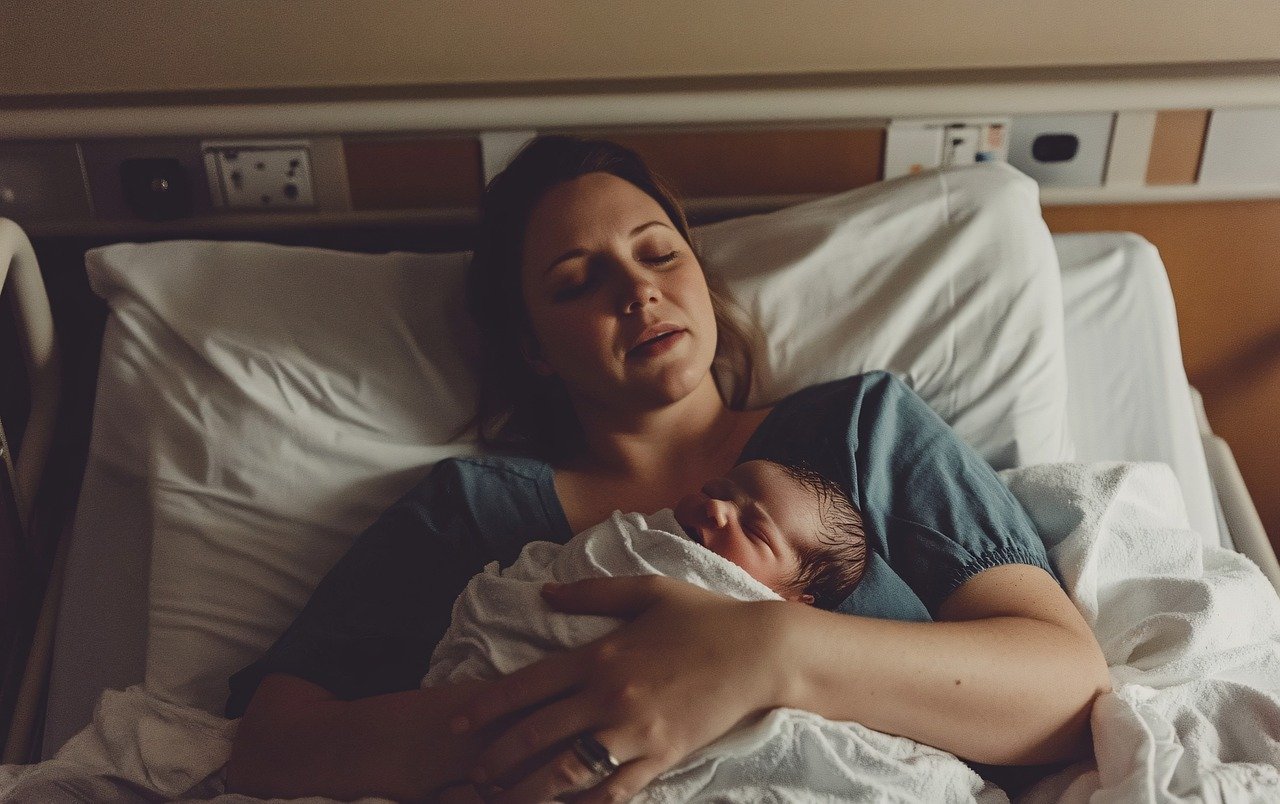

Signs You’re Ready to Exercise Postpartum: Medical Perspectives
Exercising postpartum is a significant step towards regaining strength and balance. Before starting a fitness routine, it’s crucial to ensure that your body is ready. One of the key signs indicating readiness is the approval from your healthcare provider. Following childbirth, women often experience changes that can affect physical activity. Therefore, your healthcare provider’s input can help ascertain that your body is healing appropriately. Additionally, they can tailor specific recommendations based on your individual circumstances like weight, type of delivery, and prior fitness levels. Ensuring your pelvic floor is recovering well may also be an essential component of your readiness check. These considerations can significantly influence your health and empowerment. It’s also advisable to monitor your emotional well-being since mental health plays a vital role in postpartum readiness. Remember to communicate openly about any concerns during your postnatal check-up. Making safe choices and adhering to medical advice will provide a path towards a rejuvenating exercise journey. Whether your goal is to regain fitness or simply to feel energetic again, working closely with healthcare professionals can facilitate a smoother transition into your new active lifestyle.
As you contemplate returning to exercise postpartum, being aware of your body’s physical signals can be paramount. Listen to your body; it often gives clear indicators of its state. Signs such as absence of pain and discomfort during daily activities are essential. If you can comfortably carry your baby, climb stairs, or engage in mild exercises without any issues, your body may be signaling readiness. Moreover, monitoring how your body responds during light activity can be illuminating. If you find that you have improved stamina and your energy levels are consistently rising, these are positive indicators. Strengthening exercises tailored for specific areas, like the pelvic floor and core, should be introduced gradually and checked with your provider. Staying hydrated and properly nourished will also help your body respond to physical demands. Consider participating in postpartum fitness groups or classes guided by professionals to ensure safety and guidance. Above all, patience is key; every woman’s journey is unique, and understanding your individual recovery process will help you successfully navigate your return to exercise.
Understanding Emotional Readiness
Physical readiness is vital, but emotional readiness is equally important in deciding to start exercising postpartum. After childbirth, many women encounter fluctuations in their mood and self-image. Assessing your mental state can provide insights into your overall readiness for an exercise regimen. It’s beneficial to consider how you feel about your body and your fitness goals. If you are excited, motivated, and feel positive about your return to exercise, these feelings are significant indicators of emotional readiness. Contrarily, if you’re feeling overwhelmed or stressed, it may be worthwhile to focus on establishing a support system first. Sharing your thoughts and experiences with friends, family, or other new mothers can be an excellent way to alleviate feelings of anxiety. If you are struggling significantly, seeking a mental health professional’s help can be invaluable. They can provide coping strategies and support that facilitate positive emotions surrounding exercise. Ultimately, fostering an optimistic mindset in conjunction with physical readiness optimizes the chances that your postpartum fitness journey will be fulfilling and enjoyable, allowing you to reclaim a sense of accomplishment and joy.
The timing of your return to physical activity post-delivery can vary greatly between individuals. Generally, most healthcare providers recommend waiting around six weeks after a vaginal delivery and possibly longer after a cesarean. However, this timeframe can differ based on numerous factors including complications during birth, your general health, and lifestyle. More importantly, it’s always best to seek personalized medical advice. Consider keeping a journal regarding your recovery journey; documenting symptoms, energy levels, and emotional health can provide valuable insights over time. Furthermore, committing to a gradual reintroduction of exercise is vital. Start slow; gentle activities such as walking or simple stretches can help gauge your readiness. It’s essential to pay attention to how your body adapts during these initial phases. Feeling fatigue or discomfort should be addressed with caution, as they might signal that your body requires more time to heal. Recognizing personal limitations and respecting your body’s need for recovery can prevent setbacks. Therefore, staying informed and mindful as you transition back to exercise postpartum is imperative for long-term health benefits.
Consulting Healthcare Professionals
Consulting healthcare professionals about your postpartum fitness plan can empower you on this journey. They play a crucial role in assessing your overall wellness and specific needs. Open discussions can help clarify what your body has gone through and what is necessary for recovery. Ask questions about specific exercises to avoid or focus on, as well as the duration and types of activities suitable for your healing stage. Tailored guidance from experts like physical therapists may aid in understanding how to strengthen your abdomen and pelvic floor effectively. Additionally, they can provide rehabilitation exercises to support core stability. Educating yourself on safe postpartum exercises can foster confidence and motivation. Furthermore, participating in well-structured programs led by qualified professionals can ensure that you are performing exercises safely and effectively. This supportive environment can yield excellent results and improve your physical conditioning. It’s about creating a balance that prioritizes both safety and progression during this significant transition towards regaining your strength and fitness levels post-baby.
In addition to physical and emotional factors, recognizing signs of potential complications during postpartum exercise is crucial. Many women experience issues such as diastasis recti or pelvic floor dysfunction, affecting their ability to engage comfortably in physical activities. If you notice symptoms like persistent pain, leaking, or complications affecting your mobility, it’s essential to consult your healthcare provider for guidance. These signs may indicate that your body isn’t ready for rigorous physical activity yet. Incorporating breathing exercises and pelvic floor awareness can help detect issues that need addressing. Remember, every woman’s recovery journey is different; listening to your body’s cues is essential. Emphasize gradual progression whilst remaining attentive to any discomfort signals. Joining support groups or consulting healthcare professionals can also aid in sharing experiences and receiving support for recovering postpartum. By prioritizing your health and well-being, you can minimize the potential for setbacks. This process encourages a balanced outlook towards your exercise reignition. Prioritizing self-care during this time can provide not only physical strength but emotional wellness, promoting a more positive postpartum experience overall.
Setting Realistic Expectations
Setting realistic expectations prior to diving back into a routine after childbirth is pivotal. It’s important to recognize that returning to pre-baby fitness levels may take time, and acknowledging this can reduce stress. Establishing small, achievable goals rather than aiming for immediate outcomes fosters a more manageable mindset. Consider incorporating flexible schedules into your fitness routine, allowing for rest during adjusting periods. Also, being kind to yourself is essential; it’s normal to face hurdles as your body readjusts. Celebrate small wins; measuring progress through consistency rather than emotional comparisons or rigid timelines will incite motivation and foster mental clarity. Engaging in a variety of activities can keep things fresh and exciting. Whether it’s brisk walking, yoga, or other appealing forms of movement, explore what resonates with you. Your fitness journey should promote joy and vitality, diminishing any self-imposed pressures. Having a supportive network can also serve as a reminder to enjoy the process. Ultimately, approaching postpartum fitness with grace, patience, and joy will encourage a more positive overall experience as you embark on your new fitness pathway.