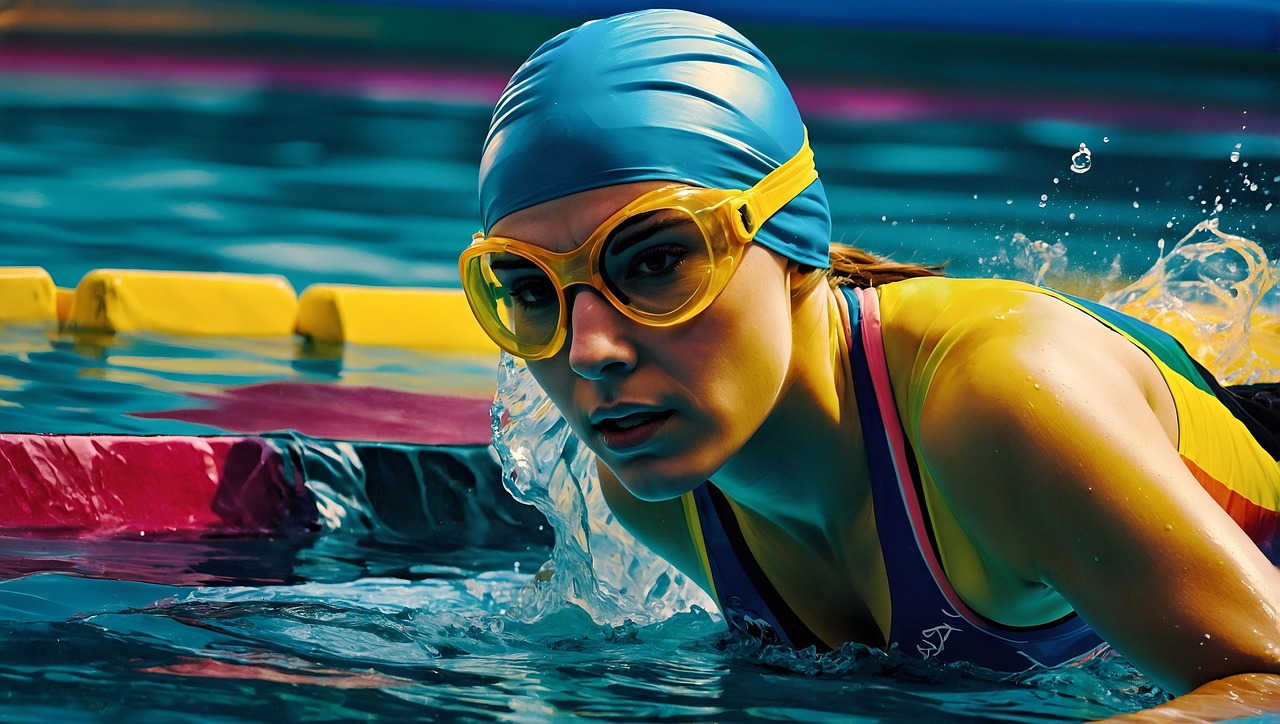

Strength and Conditioning for Disabled Swimmers
The journey of disabled swimmers towards excellence in the pool involves specialized strength and conditioning protocols tailored to their specific needs. Focused exercises and routines can enhance performance while ensuring safety and injury prevention. Targeting muscle groups involved in swimming can improve not only strength but also endurance. This is especially crucial as unique challenges may arise based on one’s disability. It is essential to conduct thorough assessments to create individualized training plans. Resistance training often includes bodyweight exercises such as push-ups and squats, using bands or weights that meet the swimmer’s abilities. Strengthening core muscles fosters better stroke efficiency and stability in water, leading to improved technique. Furthermore, adaptations in equipment, like swim benches or modified resistance tools, can better facilitate these workouts. Incorporation of flexibility training, including stretching routines, helps maintain joint mobility crucial for effective swimming technique. Customizing a regimen with trained professionals is recommended to obtain the best results. Tailoring your strength and conditioning program will make all the difference in your swimming performance, enhancing overall success and satisfaction in the sport. Understanding these elements will make swimming accessible for everyone.
Developing a personalized strength program is essential for disabled swimmers looking to enhance their performance in the water. A foundational understanding of the swimmer’s capabilities is necessary to ensure the training plan caters to their specific disabilities. Collaborating with a knowledgeable coach who specializes in adaptive training is highly beneficial. Key exercises focus on enhancing upper body strength, as the arms are crucial for propulsion and steering in a swimming routine. Movements such as lat pull-downs and chest presses can significantly improve strength, paired with modifications as needed. It’s also vital to establish a strong core, which supports various strokes and fighting fatigue. Aquatic exercises like water jogging and resistance swimming are effective for building stamina while minimizing stress on joints. Additionally, utilizing tools such as fins or paddles in non-competitive settings can further aid strength development. Regular assessments during the training are important to monitor progress and make necessary adjustments. Integrating functional training will assist in translating performance gains into the water environment. This approach ensures that disabled swimmers maximize their full potential while enjoying the unique freedom swimming offers.
Flexibility and Injury Prevention
Flexibility must not be overlooked in a well-rounded routine for disabled swimmers. This aspect of training can greatly enhance overall performance, allowing for a greater range of motion. When executing strokes, a swimmer’s ability to stretch and lengthen their movements directly influences efficiency and speed. Implementing static and dynamic stretching routines before and after swim practice promotes muscle recovery and reduces injury risks. For disabled swimmers, it’s important to adapt these stretches according to individual range and comfort. Focused areas include the shoulders, hips, and legs, which are vital for swimming propulsion and glide. Incorporate foam rolling techniques to ease muscle tightness, thus increasing flexibility. Mind-body techniques such as yoga can also significantly contribute, offering soothing practices that increase flexibility while mentally calming swimmers pre-competition. Implementing a regular recovery routine, which may include massage therapy, can aid in maintaining flexibility while supporting peak performance levels. Progress tracking in flexibility also assists in motivating disabled swimmers to reach their goals. Thus, adaptability in flexibility training becomes essential for swimmers aiming to achieve and sustain their best performance.
The role of nutrition cannot be underestimated in the context of strength and conditioning for disabled swimmers. Proper dietary choices significantly influence athletic performance and recovery. A balanced intake of macronutrients — protein, carbohydrates, and fats, is vital for energy and muscle recovery. Disabled swimmers may require adaptations in caloric intake based on their workout intensity and overall goals. Consulting with a nutritionist who specializes in sports nutrition can optimize dietary plans tailored for individual needs. In particular, prioritizing protein consumables supports muscle repair and growth post-workout. Additionally, incorporating healthy fats found in avocados or nuts provides essential energy sources. Hydration plays a critical role as well since even mild dehydration can affect performance. Developing a consistent hydration schedule ensures that swimmers remain energized throughout their training sessions. It’s advised to consume a mixture of electrolytes during longer durations in the water. Moreover, understanding how different foods impact performance can enhance energy management during competitions. Creating a well-structured nutrition plan will significantly elevate a disabled swimmer’s conditioning program, fostering optimal health and performance outcomes.
Mindset and Mental Conditioning
The mental aspect of strength and conditioning for disabled swimmers is equally important as physical training. Enhancing mental toughness can lead to improved performance in high-pressure situations faced during competitions. Strategies such as visualization techniques can help swimmers envision successful swims and foster confidence. Practicing mindfulness can reduce anxiety, contributing to a clearer focus while training or competing. Engaging in mental conditioning through techniques like goal setting can establish clear, achievable targets that motivate disabled swimmers. Furthermore, integrating relaxation techniques such as deep breathing can positively affect overall mindset, particularly before competitions. Resources including sports psychologists provide necessary guidance in developing these mental skills tailored for individuals with disabilities. Fostering a growth mindset helps swimmers view challenges as opportunities to improve, rather than obstacles, enabling resilience in training. Establishing supportive social networks also contributes positively to mental well-being, promoting camaraderie and motivation among disabled athletes. Introducing journaling as a resource allows swimmers to reflect on their progress and setbacks, providing insights for future improvement. Overall, mental conditioning must be regarded as a crucial element of a holistic training approach for disabled swimmers.
Incorporating technology can greatly enhance strength and conditioning programs tailored for disabled swimmers. Wearable devices, such as smart watches or fitness trackers, offer valuable insights into heart rate and calorie expenditure during workouts. This information allows individuals to calibrate their training sessions and monitor progress effectively. Utilizing video analysis can also provide feedback on stroke technique, identifying areas for improvement. Athletes can benefit from seeing their movements in slow motion, helping them make necessary adjustments. Engaging in virtual training platforms creates a sense of community amongst disabled swimmers, allowing for shared experiences and motivational support. Such technologies also foster connections to expert coaching resources online, further enhancing training programs. Social media can serve as a platform where disabled athletes share victories, encouraging others through similar experiences. Adaptive training apps provide instructions for exercises that cater to various disabilities, ensuring inclusivity in workouts. The integration of these tools will lead to a better understanding of personal performance metrics and enhance motivation to reach training goals. As technology continues to evolve, so will the possibilities for personalized strength and conditioning approaches for disabled swimmers.
Community and Support
Building a supportive community defines the strength and conditioning journey for disabled swimmers. This not only ensures that athletes feel welcomed, but also nurtures friendships that can extend beyond the pool. Participation in local swim clubs focused on inclusivity can provide invaluable encouragement and motivation. These communities often create opportunities for group training sessions, fostering an environment of shared learning and techniques. Connecting with organizations focused on adaptive swimming can introduce further resources and networking. Engaging with mentors within the sport can provide invaluable insights based on personal experience. These connections create a supportive atmosphere, encouraging disabled swimmers to strive for excellence despite challenges. Additionally, joint training programs with able-bodied swimmers promote inclusiveness, helping to break down barriers. Online forums can provide a safe platform for exchanging tips and inspiring stories, particularly helpful for those who might feel isolated due to their disabilities. Becoming part of such a community reinforces the idea that all athletes, regardless of their abilities, can achieve greatness. Thus, strengthening camaraderie within the swimming community fosters a unified approach towards promoting adaptive swimming and ensuring everyone enjoys the sport.
Setting personal goals can be a transformative element in a disabled swimmer’s strength and conditioning journey. Well-defined, specific goals provide a clear roadmap, driving focus and accountability. Aiming for gradual, consistent improvements enhances motivation, assisting swimmers on their path to success. Whether it’s refining technique, enhancing strength, or achieving personal best times, setting goals creates measures for success. Involving coaches or mentors in this process ensures that the goals align with training plans while encouraging realistic expectations. Utilizing a SMART (Specific, Measurable, Achievable, Relevant, Time-bound) framework can empower athletes, ensuring they have clarity and confidence. Regularly revisiting and adjusting these goals throughout the training cycle allows for manageable progression. Beyond individual aspirations, engaging in goal-setting with peers can foster a deeper sense of community and camaraderie. Celebrating achievements, no matter how small, reinforces the importance of the journey. By acknowledging personal milestones, swimmers gain confidence and resilience, essential traits in overcoming barriers. Goal-setting evolves beyond simply achieving times; it encompasses the overall growth and development of athletes both in and out of the water. Thus, ensuring growth remains a continuous journey enhances the experience and satisfaction that swimming provides.