
Understanding Your Menstrual Cycle
Tracking the menstrual cycle is essential for optimizing fitness outcomes in women. Every cycle consists of various phases: menstrual, follicular, ovulatory, and luteal. Each phase influences hormonal levels that affect energy, fatigue, and muscle recovery. Monitoring these patterns helps understand how hormonal fluctuations impact workouts. During the menstrual phase, women might experience fatigue or cramps, warranting tailored workouts that focus on lighter exercises such as yoga or walking. As estrogen rises in the follicular phase, energy levels often increase, making it an ideal time for strength training and high-intensity workouts. During ovulation, women may feel peak energy, enabling them to maximize performance in aerobic activities. Understanding these changes allows for smarter training strategies that align with the body’s needs. An effective tracking process can significantly enhance workout efficiency and overall wellness. Utilize tools like calendar apps or journals to note cycle days and symptoms. Consistent tracking aids in identifying personal patterns. This knowledge empowers women to adjust their fitness routines accordingly, enhancing the effectiveness of their efforts and promoting a balanced physical lifestyle.
Another critical aspect of tracking your menstrual cycle involves paying attention to symptoms that arise. Symptoms like bloating, mood disorders, and cravings can affect workout motivation and effectiveness. Utilizing an app specifically designed to track menstrual health can simplify this process. Many apps allow users to log physical symptoms, mood changes, and energy levels throughout the cycle. By reviewing the data, patterns may emerge over time that highlight when certain symptoms coincide with specific phases. For example, some women find their motivation dips before menstruation, while others may feel high energy during ovulation. This insight can shape workout intensity, allowing for modifications during lower-energy periods and optimization during peak times. Skipping workouts may feel counterproductive, but it can be more beneficial to pivot to lighter exercises, ensuring that physical activity remains consistent. Furthermore, understanding these oscillations helps in establishing healthy boundaries over time, preventing burnout. Finding these unique balance points propels fitness journeys while honoring the body’s needs. By actively recognizing this connection, women can better maintain physical activity and overall wellness while feeling more empowered about their bodies.
Nutrition and Hormonal Phases
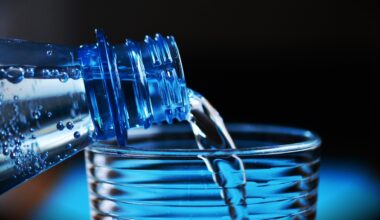
A well-balanced diet further complements tracking menstrual cycles and optimizing fitness. Different phases of the cycle may necessitate adjusted nutritional intake to meet energy demands. Research has shown that women may require increased protein during the luteal phase, as muscle recovery demands are heightened. Incorporating nutrient-dense foods such as lean meats, legumes, and nuts can boost performance and overall well-being. Additionally, magnesium-rich foods like avocados and dark chocolate are beneficial during premenstrual symptoms and can aid in relieving cramps. Overall hydration is crucial during each phase; aiming for adequate hydration helps maintain energy levels during workouts. Furthermore, there is a time when cravings are more pronounced, making indulgent choices tempting. However, practicing moderation and mindfulness can help satisfy cravings while sticking to nutritious choices. For example, if a craving for chocolate arises, opting for dark chocolate instead can still provide satisfaction without compromising health. Understanding these dietary adjustments, paired with a cycle-tracking approach, enhances the overall workout routine and well-being while encouraging a positive relationship with food.
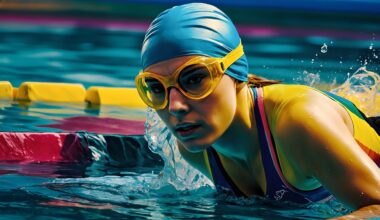
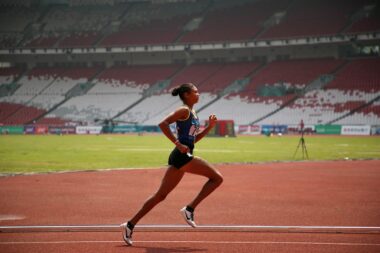
Exercise routines may also shift based on menstrual cycle phases. The menstrual phase, often characterized by fatigue, might require lighter exercise regimes like gentle stretching or low-key walking. Engaging in these gentler exercises during this phase can facilitate increased circulation and reduce cramps. Transitioning into the follicular phase encourages more rigorous training as energy levels rise significantly. Adding strength training or cardio sessions can optimize results during this time. Women often feel their best during the ovulatory phase, deemed the peak of energy and performance. This period is an excellent opportunity for high-intensity workouts or new fitness challenges. During the luteal phase, symptoms might prevail, prompting a reassessment of workout types. This may incorporate moderate activities such as pilates or swimming while ensuring workouts remain viable. Ultimately, taking note of how each phase impacts physical performance guides women toward making positive adjustments. The fluctuation in energy directs how to strategize fitness plans, reducing undue pressure to perform during less favorable phases. Tracking can illuminate these nuances, reflecting growth aligned with individual wellness needs.
Using Data to Inform Decisions
Analyzing tracked data can unveil invaluable insights for tailoring training plans. By assessing energy patterns, workout success, and subjective wellness levels, women can pinpoint optimal training periods with precision. For example, if a consistent drop in energy is noticed during the days leading up to menstruation, scheduling lighter workouts then becomes critical for maintaining motivation and consistency. Similarly, looking back at past workouts relative to the cycle phases reveals what activities yield the best performance. Over time, this analysis serves as a resource for predicting and adapting future workout plans as hormonal patterns continue to evolve through life stages. As several women experience uneven cycles that may change monthly and throughout life, recognizing these shifts early allows for proactive adjustments in scheduling. Documentation can help finely tune programs, avoiding burnout caused by pushing through low energy times. Harnessing this data not only enhances physical fitness but also supports mental clarity, promoting a more balanced approach to training. Women should feel empowered, cultivating a personal fitness experience that respects their bodies and individual journeys.
Furthermore, sharing menstrual cycle insights can foster community support among women. Engaging in forums or social media groups focused on hormonal health offers a platform for exchanging experiences and practices. Discussing techniques for coping during lower-energy phases can be enlightening and empowering, yielding effective methods for staying active and involved. Many find inspiration from peers advocating for themselves, encouraging a shared sense of accountability and motivation. These discussions break stigmas surrounding menstrual health, allowing women to open up about challenges without hesitation. By normalizing conversations around hormonal health, fitness journeys become less isolating. Moreover, fellow women can inspire action or specific workouts that harmonize with different cycles, creating a sense of belonging. This element of support enriches personal journeys, emphasizing that each path recognizes unique stressors affecting performance. Online resources can supplement shared experiences, exposing a wealth of knowledge on hormonal health and nutrition characteristics. The combination of community resources and personal data helps enrich women’s fitness journeys while collectively enhancing awareness of self-care strategies.
Embracing Women’s Unique Fitness Journey
In conclusion, tracking menstrual cycles empowers women in their fitness journeys. By recognizing physical and emotional changes tied to various phases, women can optimize workouts while honoring individual wellness. Incorporating nutrition and hydration insights further imbues fitness plans with a comprehensive understanding of health. An adaptive approach paves the way for continuous success. Consistent tracking unveils vital information, enabling women to implement progressive strategies regarding exercise and well-being. Furthermore, fostering community ties reinforces these methods and promotes collective growth while dismantling taboos. As each woman embraces her individual rhythm, deeper connections emerge alongside stronger rituals surrounding fitness. Overall, respecting the unique interplay of hormonal fluctuations contributes to creating sustainable fitness habits. Each step taken reinforces knowledge and empowerment in navigating personal journeys, leading to joyful experiences. Women must acknowledge and celebrate their capabilities while being gentle and adaptable when challenges arise. Adapting fitness-related practices to suit their bodies’ needs will facilitate growth in physical health and emotional resilience, achieving harmony within. Ultimately, this mission extends beyond mere fitness goals, nurturing self-awareness and confidence in women’s lives.
Across all considerations around tracking menstrual cycles and optimizing fitness, awareness is fundamental. The relationship between hormonal health and physical outcomes is intimately intertwined, shaping each individual experience. Women are encouraged to remain attuned to their bodies, listen to their needs, and prioritize holistic wellness. Approaching fitness from this standpoint fosters a more profound appreciation for the complexity of women’s bodies. As cycles continue evolving, so too will personal fitness journeys. Strategies may need adjustment, but each phase provides insight toward growth and development. Recognizing the beauty in these hormonal changes reflects a broader dialogue about empowerment in training. The path forward hinges on continued education around women’s health issues, pushing toward optimal methods that consider individual differences. Together, women can cultivate approaches that resonate uniquely across diverse journeys while championing their health. The future of women’s fitness appears bright, fueled by respect, understanding, and empowered choices. In taking charge of hormonal health, women not only invest in athletic pursuits but also embrace their holistic well-being and genuine selves.