
Hydration Tips When Training at High Altitude
When training at high altitudes, being aware of hydration strategies is essential to optimize performance. It’s vital to understand that your body loses fluids more rapidly due to lower humidity levels and increased respiration. Start by ensuring you are well-hydrated before your training session by drinking ample water and possibly incorporating electrolyte-rich drinks. During your workouts, it’s advisable to sip water every 15 to 20 minutes. Keep track of your sweat rate to adjust fluid intake accordingly. After your session, rehydrate adequately, helping your body recover faster. Keep an eye on the color of your urine; clear or light yellow indicates proper hydration. Eating hydrating foods like fruits and vegetables can be beneficial too. Carrying a hydration pack or water bottle will remind you to drink regularly. If you experience symptoms of dehydration, such as dizziness, dry mouth, or fatigue, stop and recover. Even moderate dehydration can affect your performance. Pair these strategies with altitude acclimatization routines for the best results. Remember, consistent hydration habits can significantly enhance your training efficiency in challenging high-altitude settings.
High-altitude environments present unique challenges to hydration strategies that require attention. As you ascend, it’s crucial to increase your fluid intake significantly to counteract dry air and increased respiratory rate. It’s not just about water; consider beverages with electrolytes to maintain balance. Be sure to have your favorite sports drinks ready or opt for natural sources like coconut water. Experts recommend consuming at least half a liter of water every hour, especially when engaged in strenuous activity. Frequent small sips can be more effective than gulping down large amounts at once. Avoid caffeinated beverages, as they can act as diuretics, leading to fluid loss. Plan nutritious meals that include water-dense options; fruits like watermelon and oranges can assist in hydration. Furthermore, pre-training hydration begins up to a day before your activity. Ensure your intake includes adequate electrolytes to avoid muscle cramps or fatigue. Finally, familiarize yourself with the signs of dehydration, since the dry, high-altitude air can mask your body’s need for water. A consistent hydration routine prepares both your body and mind for the intensity of training at elevations.
Adaptation is key when training at high altitudes, especially regarding hydration. One effective method involves gradually increasing your altitude exposure, allowing your body to acclimatize and function better. As you ascend, your sweat rate and frequency may increase; adjusting your fluid intake accordingly is vital. Include electrolytes within your hydration plan to replace lost minerals. This adjustment is significant; low electrolytes can lead to fatigue and cramps during workouts. Create a routine where you hydrate before, during, and after exercising. Additionally, monitor your hydration levels through simple checks. Regularly assess urine color, aiming for a pale yellow hue. If it darkens, it indicates you need more fluids. Carry a hydration tracker or utilize apps to remind you to drink periodically. Modify your nutrition by focusing on foods rich in water content and electrolytes, creating a comprehensive hydration approach. Engaging in hydration planning with team members or training partners fosters accountability. Set mutual goals to drink throughout your sessions collectively. These strategies not only enhance individual performance but also build a supportive training atmosphere centered around hydration and wellness.
Ultimately, understanding your individual hydration needs at altitude is paramount. Each person’s sweat rate and hydration requirements can differ based on various factors, including weight, metabolism, and workout intensity. Recognizing your specific hydration threshold can significantly impact your training outcomes and recovery. Regularly assessing your hydration through testing may help determine your individual needs better. Keep track of your body weight before and after training to understand fluid loss during workouts; the difference indicates how much fluid you need to replenish. Following a systematic approach to hydration not only improves performance but also reduces the risk of altitude sickness. Begin by weighing yourself pre- and post-training to identify hydration levels. Utilize the data to structure a personalized hydration plan, increasing intake as necessary. Include strategies for rest days as well, focusing on maintaining hydration levels even during lighter workouts. It’s often overlooked that proper hydration doesn’t end after training; it must carry over to your recovery routine. Consider scheduling hydration breaks even in non-competitive environments to promote sustainable practices, ultimately enhancing your training efficiency at high altitudes.
Hydration Practices and Nutrition
Maximizing hydration practices goes hand in hand with smart nutritional choices when exercising at high altitudes. Research suggests eating carbohydrate-rich snacks can support energy levels while simultaneously promoting fluid retention. Include foods like bananas, oats, or bread within your diet to provide stable energy. Pairing these snacks with adequate hydration can lead to effective nutrient absorption. Focus on preparing high-calorie meals that include proteins and healthy fats alongside appropriate hydration methods. Incorporating hydrating foods—like soups, stews, and smoothies—can help maintain fluid levels. When consuming solid meals, be mindful of portions; eating too heavily can make hydration more challenging due to additional digestive demand. Additionally, remember that thirst may not always indicate hydration needs; develop the habit of drinking regularly, even when not thirsty. Utilize resources like hydration apps or reminders on your phone to stay on track. Moreover, don’t overlook the role of climate; warmer temperatures may necessitate increased fluid intake even in higher altitudes. Creating a structured plan that accommodates both hydration and nutrition will result in improved overall performance, ensuring you stay energized and well-hydrated during training sessions.
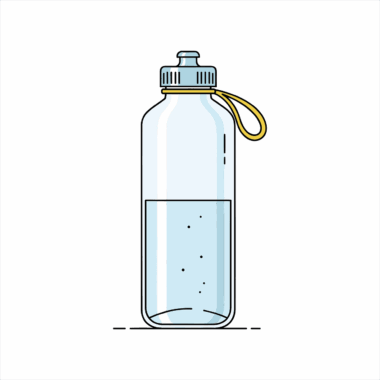
Maintaining hydration at high altitudes isn’t solely about fluid intake; how you drink also matters. Utilize hydration strategies that are efficient for your specific training routines. A common mistake is to only drink when exercising intensively, which can lead to delayed hydration responses. Instead, focus on incorporating hydration routes that suit your style. Consider using a hydration pack during long sessions, offering hands-free access to fluids. For shorter workouts, water bottles are effective if maintained within reach. Experiment with flavored or electrolyte-enhanced options to make drinking less monotonous and promote regular intake. It’s also valuable to evaluate the temperature of your drinks; cooler beverages can be more refreshing but may not be as palatable when you’re chilled during workouts. Perhaps, alternating temperatures can prevent boredom and encourage prolonged hydration habits. Additionally, consider scheduling your hydration based on your training phases—bigger workouts may require percentage-based increases in consumption. Engage with fellow athletes to exchange hydration ideas and experiences, fostering collective hydration awareness. Tailoring your approach promotes better adherence to hydration routines, which ultimately enhances performance as you train at higher elevations.
Post-Training Hydration
Understanding post-training hydration importance is crucial for recovery and performance at high altitudes. Once your workout concludes, the first priority should be to replace lost fluids. Even minor dehydration can impede recovery and delay muscle repair, making proper hydration essential. Aim to consume a combination of fluids and electrolytes, with emphasis on rapidly absorbable options like smoothies, protein shakes, or sports drinks. Establish a recovery hydration routine, incorporating these strategies immediately after finishing. Drinking at least 20 ounces of fluid within the first hour post-training is suggested to kickstart the recovery process efficiently. Besides hydration, complement your intake with nutrient-rich snacks that contain a balance of carbohydrates and proteins to aid recovery. Foods containing natural sugars, such as fruits, can further enhance rehydration. Additionally, maintain hydration practices throughout the day, adjusting fluid intake based on activity and demands. Continue to monitor hydration levels even after long training sessions to maintain optimal performance. By prioritizing post-training hydration and nutrition, you can significantly enhance recovery and be better prepared for your next training cycle at altitude.
Lastly, commitment to hydration education enhances awareness among athletes training at high altitudes. Attend workshops or seminars focusing on nutrition and hydration, where experts can elaborate on essential practices. Incorporate their insights into your routines, staying informed of new research and hydration techniques relevant to altitude training. Create a community of support within your training group, where everyone shares their hydration tips and experiences. Enforce a culture of hydration responsibility by encouraging check-ins and continuous education about hydration’s role in performance. Periodically assess personal hydration goals to ensure they align with your evolving training demands. Being proactive in your hydration education contributes significantly to improved outcomes in your high-altitude endeavors. Additionally, keeping a hydration journal can help you track your fluid intake and its effects on your performance, making adjustments easy over time. This log can identify patterns and provide valuable insights necessary for optimizing training. This holistic approach reinforces the significance of being well-hydrated, which cultivates an awareness that transcends individual practices. Ultimately, prioritizing hydration education contributes to better training experiences and greater achievements in high-altitude environments.