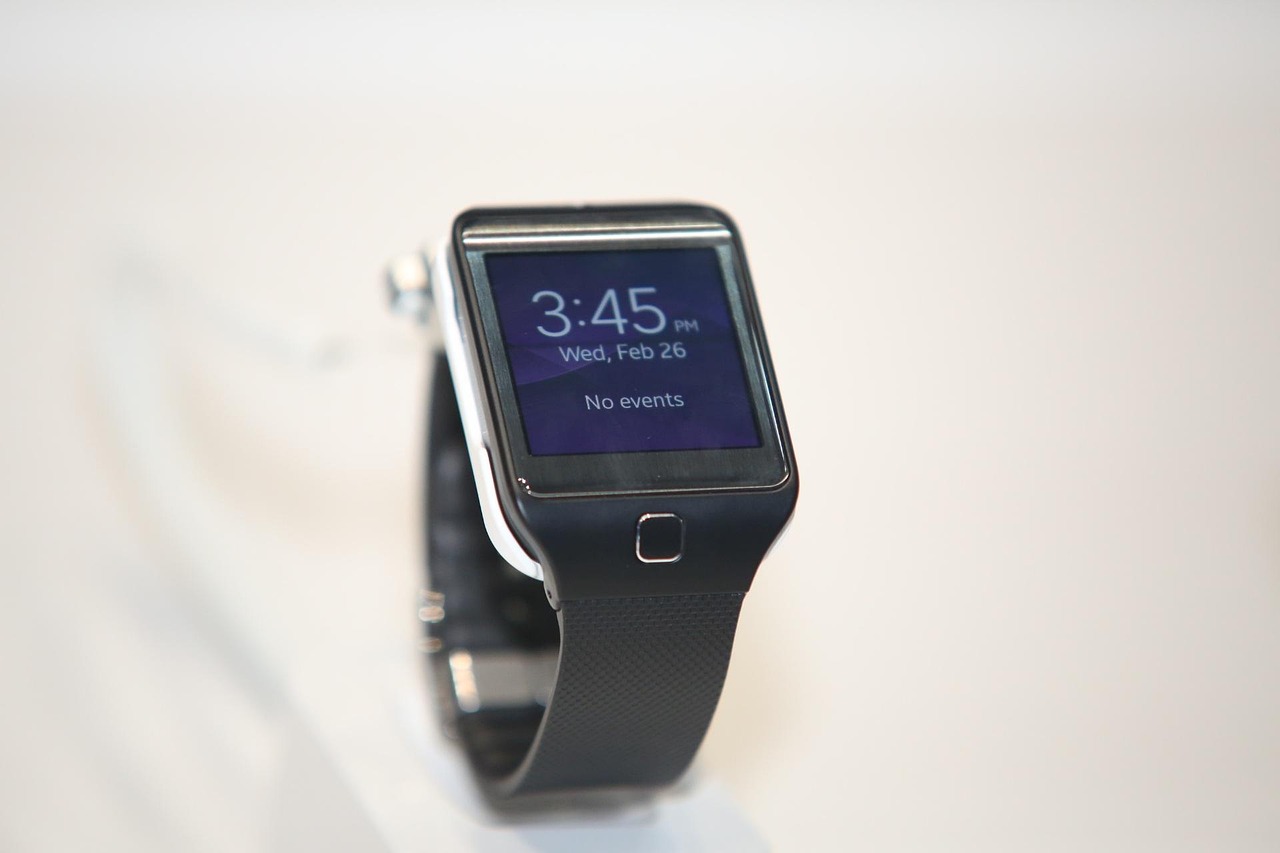

The Future of Smartwatches in Fitness and Health Monitoring
Smartwatches have increasingly become essential gadgets for fitness enthusiasts and health-conscious individuals. Their capabilities extend well beyond traditional timekeeping, as they offer a wide array of features tailored for health and fitness monitoring. With advancements in technology, smartwatches are now equipped with sensors that can track heart rates, monitor sleep quality, and even analyze stress levels. These features allow users to achieve their fitness goals more effectively. In addition, smartwatches are designed to sync with various fitness apps, enabling users to monitor their performance over time. As technology continues to advance, smartwatches will likely incorporate even more sophisticated tracking systems, making them more valuable to users. Moreover, the integration of GPS and mobile connectivity allows for accurate tracking of outdoor activities such as running and cycling. This opens up a world of possibilities for fitness enthusiasts to explore while staying connected. As lifestyle choices increasingly enhance daily routines, smartwatches remain indispensable for fitness enthusiasts. Their role as health companions continues to evolve, making it crucial to stay updated about the latest trends and functionalities offered.
Features Driving Smartwatch Popularity in Fitness
One of the primary reasons smartwatches have gained popularity in the fitness realm is their user-friendly interface, which simplifies the monitoring process. Most models present data through easily interpretable graphs and notifications, providing instant feedback after workouts. This level of accessibility makes fitness tracking appealing for individuals across various fitness levels. Additionally, the portability of smartwatches means that users can track their activities anywhere, breaking geographical constraints. Users appreciate the convenience of having such versatile tools right on their wrists. Smartwatches like the Apple Watch and Garmin series come equipped with features such as training plans, reminders, and guided workouts. These assist users in developing comprehensive fitness regimens tailored to their needs. Furthermore, innovative features, including menstrual cycle tracking and hydration reminders, cater specifically to demographics that focus on holistic health. Frequent software updates ensure these smart gadgets evolve with user preferences, making fitness management more efficient. The combination of monitoring, real-time feedback, and personalised settings keeps users engaged with their health. As more individuals become conscious of their physical well-being, these features resonate with their goals and objectives.
The advent of advanced sensors has changed how smartwatches track health metrics, making them more accurate than ever. Smartwatches now pack sensors capable of measuring a wide range of biometric data, such as oxygen saturation levels and electrocardiograms (ECGs). These remarkable advancements allow users to monitor their overall health efficiently. Fitness technology companies continuously refine their products to better serve health-conscious consumers. For instance, innovative algorithms process gathered data, providing insightful analysis which can lead to lifestyle improvements. Incorporating artificial intelligence (AI) enhances predictive accuracy, enabling users to anticipate health issues before they arise. Moreover, the development of partnerships with medical institutions signifies a shift toward integrating wearable tech into healthcare solutions. As smartwatches evolve, developers focus on enhancing user experience and expanding device capabilities. What was once seen as a mere trend has transformed into a vital health-monitoring tool for many. The accuracy and versatility of features present in modern smartwatches are positive indicators of the future of fitness technology. As they evolve, the influence of these devices on health and fitness practices is undeniable.
Smartwatches and Community Engagement
The social aspect of fitness is crucial in keeping individuals motivated and accountable in their wellness journeys. Smartwatches foster a sense of community through features that allow users to connect with friends and family for mutual encouragement. Many models incorporate social platforms where users can share their achievements, courses, or even participate in challenges and competitions. The gamification of fitness encourages friendly rivalry while promoting continuous engagement with fitness activities. Many individuals find motivation by tracking their progress alongside others, making fitness a shared experience. In addition, smartwatch users can often join group challenges, which adds an extra layer of excitement to daily workouts. This community engagement can lead to improved results, pushing users to surpass personal records. Furthermore, sharing progress on social media or with fellow users creates accountability that some individuals need to stick to their fitness goals. As smartwatches become more interconnected with social apps, we can expect innovative ways to inspire groups and individuals alike. This focus on community involvement will likely enhance the overall fitness experience, making it more enjoyable.
As health awareness continues to grow, integrating smartwatches into daily lives will become increasingly seamless. Users may also notice designs becoming sleeker, appealing not only to fitness enthusiasts but also to the general public. While functionality remains vital, aesthetics play a significant role in smartwatch adoption. Designers are now crafting wearable gadgets that can easily transition from workout gear to everyday fashion pieces. Consequently, people can confidently wear them in various environments—from casual outings to professional settings. Additionally, manufacturers are exploring sustainable materials and practices, appealing to environmentally-conscious consumers. The trend reflects a growing demand for products that combine technology with eco-friendliness. As this trend evolves, the ability to track wellness without compromising on style will entice even those who may typically shy away from fitness gadgets. The future of smartwatches presents a dynamic blend of functionality, aesthetics, and sustainability. The potential for designs that cater to diverse lifestyles ensures that smartwatches will remain relevant in the fitness and fashion spheres. Users’ increasing emphasis on aesthetics will influence further innovations in the world of smartwatch technology.
Healthcare Integration with Smartwatches
The potential for smartwatches to connect users with healthcare providers unlocks new dimensions in health monitoring. Many smartwatches already offer features such as alert systems that can notify users of irregularities in heart rate or blood pressure. This integration signifies a valuable opportunity for preventative health measures, allowing individuals to remain vigilant about their well-being. More healthcare professionals are beginning to utilize data harvested from smartwatches to develop patient profiles. This information might lead to more informed treatment decisions ranging from medication adjustments to lifestyle coaching. Furthermore, as telehealth becomes prevalent, the role of smartwatches in ongoing patient monitoring will be pivotal. Remote patient monitoring systems can harness real-time data collected from users’ smartwatches, ensuring healthcare providers can respond promptly. As a result, patients will feel empowered, equipped with actionable insights that improve their overall quality of life. As healthcare professionals lean toward data-driven methodologies, smartwatch technology will increasingly intersect with medical practice. The broader acceptance of smartwatches by healthcare institutions will likely redefine how individuals approach their health, paving the way for innovative solutions.
In conclusion, the future of smartwatches in fitness and health monitoring appears promising. As technology continues to evolve, we will likely witness extraordinary enhancements in wellness tracking capabilities and smartwatches’ designs. For users from various demographics, the appeal of smartwatches will only grow, primarily due to their endless adaptability to personal lifestyles. The potential for gamification will make fitness engaging while simultaneously encouraging healthier habits. Coupled with community engagement, the social support provided through smartwatches can enhance accountability, ensuring users remain committed to their fitness objectives. As smartwatches plug into health management systems, they pave the way for precise monitoring, less invasive interventions, and convenient healthcare integration. The focus on aesthetic appeal ensures that these devices transcend mere functionality, appealing to a broader audience. Overall, as smartwatches continue to blur the line between fashion and function, they will firmly establish their place in the lives of fitness enthusiasts and health-conscious consumers alike, revolutionizing how we approach fitness and health.