
The Role of Water in Muscle Elasticity and Joint Lubrication
Hydration plays a pivotal role in maintaining muscle elasticity and joint lubrication, crucial factors for physical performance. Water acts as a solvent, aiding in nutrient transport and metabolic processes within muscle cells, resulting in enhanced elasticity. An adequately hydrated body maintains optimal cellular function, promoting flexibility and joint range of motion. Additionally, water consumption supports blood viscosity and circulation, allowing for better oxygen and nutrient delivery to muscles, thus maximizing elasticity. Joint cartilage consists largely of water, functioning effectively as a lubricant during physical activity. By ensuring joint health, hydration mitigates stiffness and discomfort, particularly during vigorous exercise. Insufficient hydration can cause dehydration, resulting in reduced muscle performance and joint dysfunction. Therefore, athletes and active individuals must prioritize water intake before, during, and after their routines. This ensures that the body stays adequately hydrated, fostering flexibility and reducing the risk of injury. The benefits of hydration extend beyond mere performance; long-term water consumption supports overall wellness, influencing recovery times and muscle rehabilitation post-exercise. Establishing a balanced hydration routine is essential for peak athletic performance and longevity in physical activities.
Understanding the interaction between hydration and muscle elasticity reveals essential knowledge for athletes. Water plays a significant role in maintaining intracellular fluid balance, which is critical for muscle contraction and overall functionality. Muscles composed predominantly of water maintain optimal elasticity, allowing for greater flexibility during activities. When muscles are dehydrated, it results in stiffness, which limits movement efficiency. Proper hydration ensures that muscle fibers can stretch and contract without restriction, fostering improved performance in various sports. Additionally, water serves as a lubricant in synovial fluid that cushions joints. This fluid is vital for protecting joints during high-impact activities. Consequently, athletes who prioritize hydration experience better joint mobility, overall performance, and longevity in their sport. Integrating water consumption with electrolyte-rich drinks can further enhance hydration strategies. Incorporating fruits and vegetables high in water content into diets also contributes positively to hydration levels. Individuals conscious of their hydration habits promote muscle recovery and prevent injuries associated with dehydration. Overall, understanding hydration’s nuances empowers athletes to optimize their performance and well-being.
The Science Behind Hydration
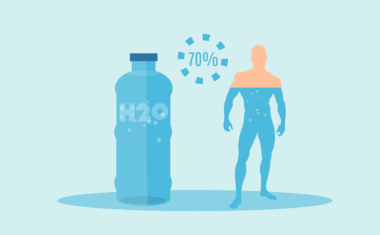
The human body is made up of around 60% water, reinforcing its role in physiological functions. Hydration aids in maintaining homeostasis, thus affecting muscle elasticity and joint lubrication. When the body becomes dehydrated, muscle protein synthesis can be impaired, negatively impacting muscle repair and growth. Hydrated muscles exhibit better elasticity, allowing for improved movements in varying activities from dancing to weightlifting. Additionally, hydration is crucial in regulating body temperature during physical exertion, preventing overheating. Thermoregulation is critical for athletic performance since overheating can lead to fatigue and decreased efficiency. Joint health benefits from hydration are just as crucial. Proper hydration keeps synovial fluid viscous, creating the necessary environment for smooth articulation between joint surfaces. This lubrication helps reduce friction and prevent damage during physical activities. Athletes must recognize that hydration isn’t just about consuming liquids; timing, type of fluids, and overall diet contribute significantly to their hydration strategy. Opting for water over sugary drinks aids in better hydration results. Moreover, athletes should monitor their hydration levels before competition to ensure optimal performance.
Another crucial aspect involves understanding the signs of dehydration, which can lead to impaired muscle function and joint health. Common symptoms include fatigue, dizziness, and decreased performance during physical activities. Athletes should also be aware of how sweating affects hydration levels, which varies based on environmental conditions and individual sweat rates. Implementing a hydration schedule can ensure consistent fluid intake throughout the day. Drinking water before, during, and post-exercise fosters proper hydration and enhances recovery rates. Moreover, combining water with electrolyte-rich beverages aids in replenishing lost salts through sweat, optimizing hydration advantages. Alongside liquid intake, consuming foods high in water content such as fruits and vegetables contributes effectively to hydration efforts. Foods like watermelon, cucumbers, and oranges offer hydration while providing valuable nutrients. Additionally, maintaining electrolyte balance is crucial for muscle function and recovery. Incorporating sodium, potassium, and other minerals in diet not only supports hydration but also optimizes muscle performance. A well-rounded approach to hydration ensures athletes remain at peak performance levels and can exercise efficiently without experiencing undue muscle strain.
Hydration Strategies for Athletes
To achieve optimal hydration, athletes must adopt effective strategies tailored to their unique needs. One essential approach is to gauge fluid intake in relation to sweat loss through daily monitoring. Keeping track of body weight before and after workouts can reveal fluid loss levels. For every pound lost during exercise, it’s recommended to consume approximately 16-24 ounces of water to adequately rehydrate. Additionally, athletes should consider temperature and humidity levels when estimating hydration needs. Warm and humid climates require increased fluid intake compared to cooler, drier conditions. Scheduling regular water breaks during intense workouts ensures consistent hydration throughout physically demanding activities. Emphasizing the importance of hydration can also enhance team dynamics, promoting a culture of health and wellness among teammates. Furthermore, individuals should personalize their hydration plan, taking into account individual sweat rates, exercise duration, and intensity. Integrating different varieties of hydration aids such as beverages with carbohydrates and electrolytes post-exercise enhances recovery. Establishing a hydration routine that includes not only water but balanced nutrients will yield the best results. Such practices ensure athletes maintain peak performance while reducing the risk of injury.
Many athletes overlook the impact of hydration on mental focus and cognitive functions. Dehydration can impair decision-making abilities, reaction times, and overall mental clarity. Hydrated individuals are more attentive and responsive during competitions, enhancing their capability to make swift tactical decisions. Moreover, cognitive function plays a key role in muscle execution, especially in sports demanding quick reflexes. Regular hydration promotes optimal neurological functioning, supporting effective coordination between body and mind. Engaging in sports requires not only physical capacities but also mental acuity; thus, hydration should be a top priority. Athletes can integrate hydration education into their overall training programs, fostering awareness of its importance in achieving athletic goals. Additionally, peer support among teammates can motivate individuals to remain mindful of their hydration habits. Water can also enhance mood and reduce stress, leading to improved perspectives on performance and outcomes. Proper hydration strategies will not only improve physical performance but also enrich mental well-being, creating a more holistic approach to sports. Overall, athletes should remain vigilant regarding their hydration levels and adjust intake based on activity intensity and environmental conditions.
Conclusion
Ultimately, the role of water in muscle elasticity and joint lubrication is crucial for overall athletic performance. By prioritizing hydration, athletes not only optimize their physical capabilities but also enhance recovery and minimize injury risks. Continuous education on the importance of hydration can lead to informed practices, promoting health and well-being within sports communities. Understanding individual hydration needs will facilitate optimal performance during training sessions and competitions. Analyzing hydration strategies, such as fluid intake before and after workouts, can cater to individuals’ requirements effectively. Incorporating various fluid types and hydrating foods strengthens hydration success. Thus, maintaining adequate hydration fosters flexibility, mobility, and overall health as vital components of successful athletic endeavors. Sports organizations should consider implementing hydration breaks during training sessions to emphasize the need for keeping hydrated consistently. A culture of hydration will contribute to more successful outcomes both on and off the field. Ultimately, the integration of proper hydration techniques will not only support athletic pursuits but also develop lifelong health habits essential for enhanced quality of life.