
The Role of Social Media in Teen Mental Well-being
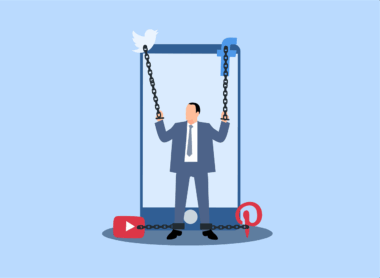
Social media has significantly transformed the way teenagers interact, communicate, and express themselves. This new digital landscape allows young people to connect with peers, share experiences, and access a vast array of information. However, the impact of social media on mental health is not entirely positive. Many studies suggest that while social media can foster a sense of belonging, it can also lead to feelings of isolation and inadequacy. Young users frequently compare themselves to others, which can exacerbate issues such as anxiety and depression. Additionally, the pressure to maintain an online persona can result in stress and burnout among teens. On the positive side, social media can provide teens with valuable support networks, offering access to mental health resources and communities where they can share their struggles. Balancing these pros and cons is crucial for parents, educators, and the teens themselves. Recognizing the potential risks and benefits of social media usage is essential for promoting healthy online habits. By encouraging mindful engagement with these platforms, we can better support teen mental well-being in an increasingly connected world.
One of the most concerning aspects of social media’s effect on mental health is the prevalence of cyberbullying. This form of harassment can manifest through derogatory comments, exclusion from groups, or the spreading of harmful rumors. According to research, around 15% of teenagers have experienced some form of cyberbullying, leading to serious emotional distress, decreased self-esteem, or even suicidal thoughts. This relentless barrage of negativity can erode a teen’s self-worth and overall mental health. Furthermore, social media allows for the rapid spread of harmful content that can trigger anxiety, especially regarding self-image and body image issues. Unrealistic portrayals of beauty and success abound on these platforms, leading many teens to set unattainable standards for themselves. Parents and guardians need to remain vigilant, facilitating open conversations about online experiences and fostering resilience among teens. Encouraging them to seek help when needed and teaching them to recognize the signs of unhealthy online interactions are vital steps in combating the adverse effects of social media on mental health. By fostering empathy and support, we can create a more positive online environment for our youth.
Positive Aspects of Social Media
Despite the negative consequences, social media does have positive aspects that contribute to teen mental well-being. For instance, it provides a platform for self-expression and creativity, allowing teens to showcase their talents and interests. This creative outlet can significantly enhance self-esteem and provide a sense of accomplishment. Additionally, social media enables connecting with like-minded individuals and forming supportive communities. These online spaces can reduce feelings of isolation, as teens discover they are not alone in their struggles or experiences. Support groups focused on mental health, advocacy, and various interests can be found on social media, creating opportunities for connection and understanding. Learning about different perspectives can also promote empathy and acceptance among teens. By engaging positively online, teens can build friendships, exchange ideas, and even participate in campaigns or movements that inspire awareness. Therefore, while social media does pose risks, it can also serve as a valuable tool for enhancing mental well-being when used mindfully. Educating teens about the benefits and hazards of social media can ensure they navigate their experiences safely and positively.
Research indicates that social media’s impact on mental health varies significantly based on usage patterns. Positive engagement, such as interacting with supportive friends and consuming uplifting content, can boost mood and foster a sense of connection. Alternatively, excessive use, especially passive consumption, can lead to feelings of inadequacy and anxiety. Studies show that teens who spend more than three hours per day on social media are at a higher risk for mental health issues. To promote healthier usage, limiting screen time is essential. Encouraging teens to take regular breaks from social media can help refocus their attention on real-world relationships and activities. Inclusive hobbies, such as sports, arts, or volunteering, can effectively redirect attention from screens, helping develop resilience and emotional intelligence. Establishing practices such as ‘technology-free zones’ during family meals or before bedtime can also enhance interpersonal communication and strengthen bonds. By fostering a balanced approach to social media, we can empower teens to engage positively and protect their mental health, allowing them to derive the benefits of digital connectivity while minimizing the potential harms.
The Importance of Communication
Open communication between parents and teens regarding social media usage is essential in addressing mental health concerns. Parents should encourage their teens to discuss their experiences online, including positive and negative interactions. By creating a safe space for dialogue, parents can help teens process their thoughts and feelings about their social media usage. Discussing the pressures of maintaining an online image, dealing with cyberbullying, and comparing oneself to others can provide valuable insights. Moreover, educating teens about the importance of digital literacy helps them critically evaluate the content they encounter. Parents can guide them in distinguishing between realistic portrayals and digital facades prevalent on social media. Normalizing conversations about mental well-being, using relatable anecdotes, allows for deeper connections. Teens are more likely to open up about their struggles when they feel understood. Additionally, monitoring and setting appropriate boundaries around social media can ensure healthier habits while respecting a teen’s autonomy. Encouraging teens to cultivate hobbies and interests outside of social media can provide a balanced approach to their overall well-being, ultimately fostering resilience in the digital age.
Moreover, schools play a critical role in addressing the impact of social media on mental health. Implementing educational programs that promote digital literacy and emotional intelligence can equip students with essential skills. These initiatives can enhance awareness of the potential consequences of social media usage. By focusing on building self-esteem, resilience, and empathy, schools can create a supportive environment where students feel empowered. Incorporating discussions about mental health in the curriculum fosters open dialogue and de-stigmatizes seeking help. Schools should also collaborate with parents to ensure a united front in addressing social media’s challenges. Additionally, mental health resources, such as counselors and peer support groups, can provide students with the help they need to navigate their online experiences. Creating a culture of mindfulness encourages students to reflect on their online behavior and consider its impact on themselves and others. Ultimately, fostering healthy relationships with technology throughout the school years can lay the foundation for resilient adults. By prioritizing mental health education and wellness initiatives, schools can effectively combat the negative effects of social media.
Moving Forward
In conclusion, while social media has profoundly impacted the mental well-being of teens, fostering a balanced approach is possible. By promoting healthy habits, open communication, and responsible usage, we can help mitigate its detrimental effects. Encouraging teens to engage with social media positively, focusing on their interests and passions, can enhance their sense of belonging. Educators and parents must work collaboratively to create supportive environments that prioritize mental well-being. Additionally, the promotion of mental health resources within communities can empower teens to seek help proactively. Recognizing the individuality of each teen’s experience is crucial, as their reactions to social media will differ. The collective responsibility lies with parents, educators, and society as a whole to ensure a healthier online experience for future generations. As we navigate this complex relationship with social media, let us focus on resilience, empathy, and advocacy for mental health awareness. Ultimately, understanding and supports are key to unlocking the potential of social media as a positive force in the lives of teens, leading to healthier, more connected individuals in a digital world.
Overall, the journey to improve teen mental health with respect to social media is ongoing. With ongoing research and collaboration between mental health professionals, educators, and families, we can better understand the implications of digital interactions. As society continues to evolve digitally, staying informed about trends and risks associated with social media is vital. Raising awareness about the need for mindfulness and responsible online behavior can create a culture that prioritizes mental well-being. Emphasizing emotional intelligence, critical thinking, and digital literacy lays the groundwork for healthier habits in future generations. Encouraging teens to advocate for mental health awareness and support each other online can foster a counter-culture of positivity. By involving teens in discussions about the impact of social media, we empower them to take ownership of their online experiences. Together, we can cultivate a supportive environment that embraces the potential of social media while mitigating its risks. Shaping a healthier digital landscape is achievable through collective action and a commitment to mental health. Let us work together to create a brighter future where technology serves to enhance mental well-being.