
The Relationship Between Social Media Usage and Depression Symptoms
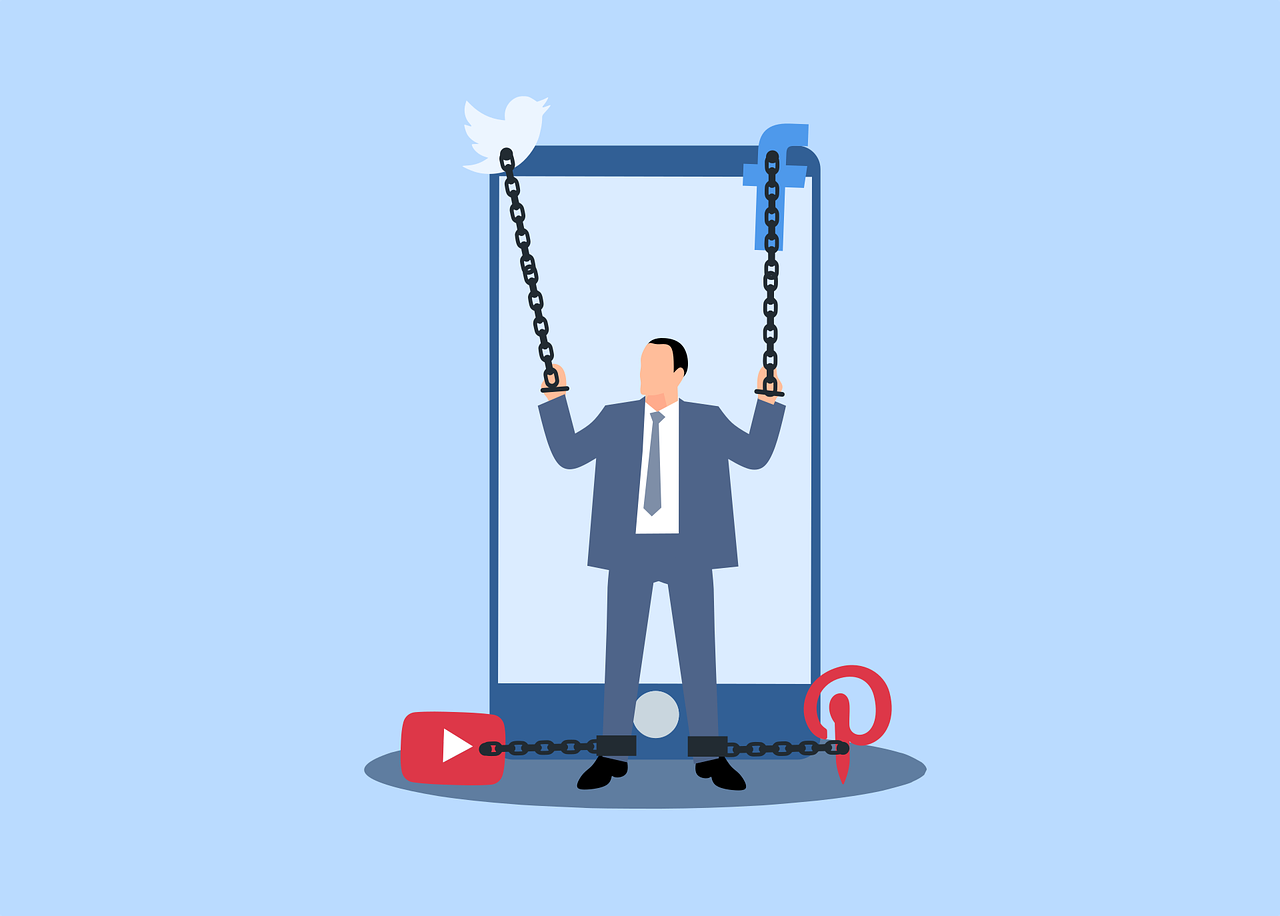
In recent years, social media has become an integral part of many people’s lives, fundamentally changing communication methods. While it offers numerous benefits, the rising concern is its potential impact on mental health, particularly depression. Studies have indicated a correlation between excessive social media use and an increase in depressive symptoms. One significant reason is the comparison factor where users often compare their lives with others. This can lead to feelings of inadequacy and low self-esteem, cultivating a breeding ground for depression. Children and teens are particularly vulnerable, as they are navigating both identity and peer approval. Many individuals also engage in mindless scrolling, which can disconnect them from real-life interactions. This isolation can exacerbate feelings of loneliness and despair. If individuals begin to feel perpetually inadequate because of the unrealistic portrayals of life on social media, it can create a downward spiral of negative feelings. Seeking balance in usage and being mindful of how it impacts emotions can make a noteworthy difference in mental well-being. Thus, understanding these interactions is essential for promoting healthier social media habits that prioritize emotional health.
Many researchers have transitioned their focus towards understanding how various social media platforms can influence psychological well-being. Social media presents a paradox as it connects individuals globally, yet has the potential to enhance feelings of isolation. A meta-analysis indicates an alarming trend where higher social media engagement correlates with increased levels of anxiety and depression. Users who spend more than two hours daily on social media often report low mood and heightened anxious feelings. Notably, platforms can heighten the pressure to maintain an idealized online persona. When users feel compelled to present a life that deviates from their reality, it can deteriorate their mental state. Furthermore, constant notifications can disrupt daily activities, causing stress and distraction. Cyberbullying is another detrimental aspect that surfaces with popularity, leading to significant emotional distress in victims. The fact that many feel trapped in a cycle of using these platforms to escape real-world issues presents a concerning irony. Therefore, as users interact with these platforms, awareness regarding their emotional responses and boundaries is crucial in mitigating potential adverse effects on mental health.
Young individuals are at a heightened risk for mental health issues as their identities are still forming during crucial developmental periods. The connection between social media and depression appears particularly pronounced among this demographic. Research indicates that comparing oneself to others displayed on social media can create unrealistic expectations and result in lower self-esteem. Consequently, individuals may begin to internalize negative thoughts leading to heightened feelings of loneliness and sadness. Various platforms may prioritize visuals over personal narratives, prompting users to feel inferior when they perceive their lives as mundane. Additionally, receiving negative feedback or lacking validation can be detrimental to mental well-being. Recognizing these patterns is vital for addressing the mental health crisis that can manifest from prolonged exposure to social media negativity. It is imperative for parents and caregivers to engage in conversations about the importance of critical media consumption. Encouraging young individuals to take breaks from social media platforms or embrace alternative forms of communication could foster better emotional resilience. As societal awareness grows, strategies to promote healthier online environments for youths will be essential in combating rising depression rates.
Seeking Help and Support
When individuals recognize the symptoms of depression possibly linked to social media use, seeking help is crucial. Both peer support and professional guidance can play a pivotal role in mitigating these effects. Therapy provides a safe environment where affected individuals can explore their feelings and develop coping mechanisms. Cognitive-behavioral therapy (CBT) has shown promise in addressing cognitive distortions often fueled by social media engagement. During therapy, individuals learn to challenge and reframe negative thoughts that arise from comparison or feedback experienced online. Additionally, support groups provide a valuable space for sharing experiences and strategies to manage emotions triggered by social media. Encouraging open discussions around mental health is essential to destigmatize these conversations. Moreover, individuals may explore resources offered by educational institutions or community organizations focused on mental health. Accessing these services can empower users to address issues before they escalate into more severe mental health disorders. While social media may pose hidden dangers, recognizing them and acting promptly leads to better emotional outcomes, aiding in healthier relationships with online platforms.
Adopting healthy practices for social media usage can significantly mitigate risks associated with mental health challenges. Implementing time limits can aid individuals in avoiding social media fatigue, offering more time for real-life interactions and hobbies. Moreover, curating feeds to include positive, uplifting content is vital. Regularly evaluating what content impacts one’s mental health negatively can empower users to navigate their online experiences. For instance, unfollowing accounts that spark negative feelings or embracing accounts that inspire and uplift can foster a positive online atmosphere. Engaging in offline activities such as physical exercise, reading, or art can provide balance in life. Actively participating in community activities or engaging with friends can reinforce feelings of connection, countering isolation often spurred by excessive social media use. Additionally, learning to practice mindfulness while using social media can enhance awareness of emotional responses while scrolling. Identifying triggers beforehand fosters better emotional regulation. As communities continue to grapple with the pressures of social media, promoting awareness and encouraging healthy habits is essential in cultivating a nurturing online environment.
The Role of Education
Educational institutions play a crucial role in addressing the mental health implications of social media. Schools can promote digital literacy programs in tandem with mental health education to equip students with the necessary skills for navigating online spaces. Integrating discussions surrounding social media impact into classrooms allows students to understand the psychological effects while learning to use these platforms thoughtfully. Encouraging critical thinking skills concerning online interactions can prepare students to challenge harmful narratives they may encounter. Furthermore, school counselors should be adequately trained in recognizing signs of depression and anxiety stemming from social media engagement. Proactive mental health programs can also foster a supportive school environment. Emphasizing the importance of face-to-face friendships can cultivate resilience against feelings of loneliness that may arise from social media use. Involving parents in these conversations may also promote healthy dialogue regarding online behavior and emotional health at home. Ultimately, educating young individuals on both the benefits and risks associated with social media assists in developing future generations that are not only aware but are emotionally equipped to manage their online lives effectively.
As the relationship between social media and mental health continues to evolve, researchers are exploring intervention strategies that can address these concerns effectively. Future developments may include enhanced educational frameworks focusing on emotional intelligence as it relates to digital communication. Programs aiming to foster empathy and kindness online can significantly alter user behavior, reducing instances of negativity and criticism. Additionally, tech companies are urged to take responsibility for their platforms. Implementing user-friendly features that encourage positive interactions can create healthier environments. For instance, integrating mood check-ins can prompt users to reflect on their feelings while using the platform. Moreover, increasing accessibility to mental health resources directly within social media platforms can make seeking help far less daunting. Collaboration between educators, mental health professionals, and tech developers will be essential in creating sustainable strategies addressing the mental health crisis associated with social media. By utilizing collective expertise, communities can pave the way for healthier social media experiences, lessening the long-term impact on mental health. As awareness amplifies, further steps can support those struggling to find balance in their online experiences, promoting overall well-being.