
The Influence of Beliefs on Physical Health
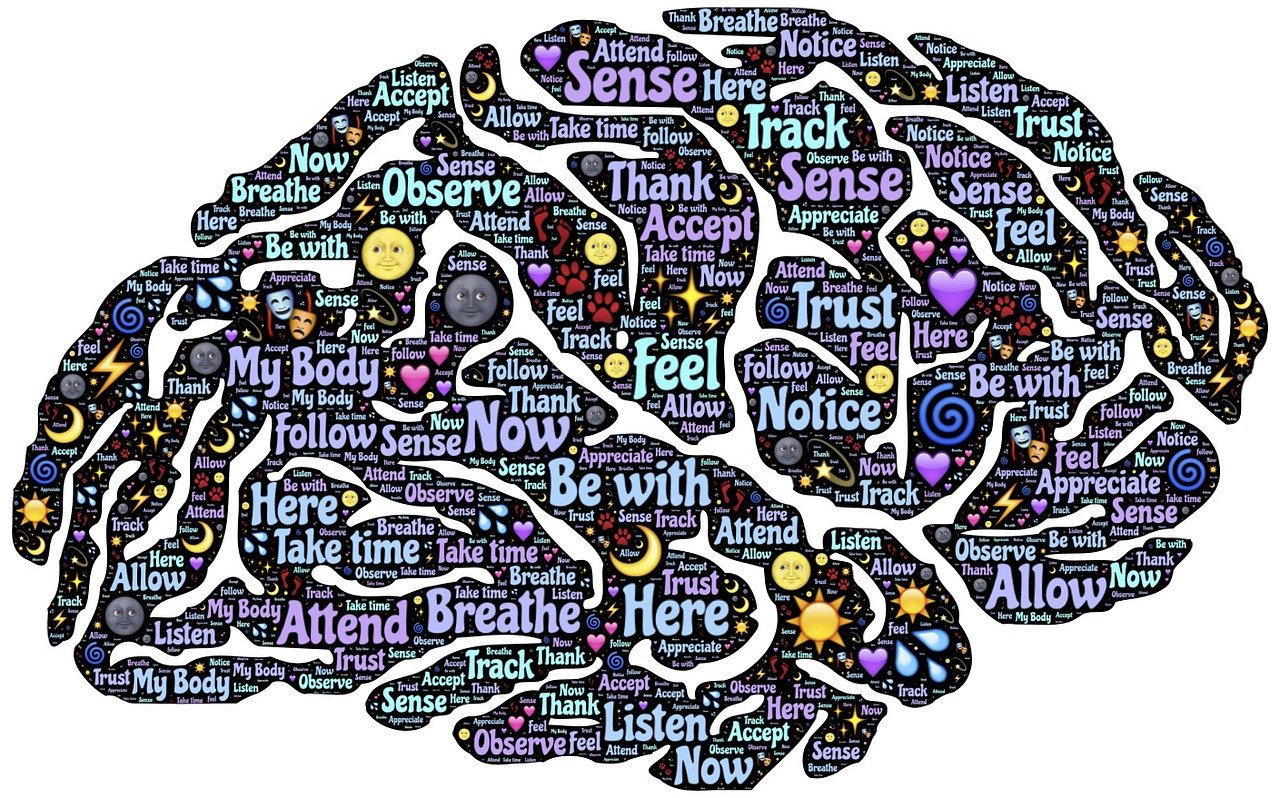
The concept of the mind-body connection emphasizes how our thoughts, emotions, and beliefs can significantly influence our physical health. This connection leads many to explore the relationship between mental attitude and bodily well-being. Research shows that individuals with positive beliefs tend to experience improved overall health and have a lower risk of chronic illnesses. Emotions like stress and anxiety can trigger physiological responses, which impact health outcomes. For example, stress can weaken the immune system, making one more prone to illness. Understanding this connection can empower individuals to actively engage in practices that promote better health. By adopting a mindset that fosters positivity, patients often experience quicker recovery rates. Likewise, some studies suggest that a strong belief in one’s ability to heal can promote healing processes. Awareness of this potential can assist healthcare providers in designing holistic treatment plans that include psychological support. This interdisciplinary approach has demonstrated effectiveness across various medical fields. Therefore, acknowledging and harnessing the mind-body connection is vital for comprehensive healthcare. It’s essential to investigate how beliefs shape our physical reality and improve overall health outcomes for individuals.
Continued research in the field of psychosomatic medicine provides insights into how our thoughts directly influence our body. Psychosomatic medicine studies the interaction of psychological factors and physical health, offering a comprehensive understanding of the mind-body dynamics. One key principle is that negative thoughts can manifest as physical ailments. For instance, chronic stress often leads to hypertension or gastrointestinal issues. In the same vein, positive beliefs can lead to better resilience against diseases. Individuals who maintain an optimistic outlook often display more robust health patterns and shorter illness durations. Moreover, therapeutic practices such as meditation and yoga emphasize the significance of aligning mental and physical states. These practices can reduce stress and enhance one’s sense of connection to the body. Engaging regularly in such practices encourages a holistic perspective on health, integrating body and mind. Health professionals increasingly advocate for lifestyle changes that incorporate these mind-body techniques. By embracing this approach, individuals can harness their potential for self-healing. Ultimately, recognizing the influence of beliefs on health nudges society toward preventative strategies rather than solely reactive treatments.
Empirical Evidence of the Mind-Body Connection
The empirical evidence supporting the mind-body connection grows as more studies emerge in this captivating area. Scientific research increasingly validates the interplay between beliefs and health outcomes. Numerous clinical trials reveal that patients who practice visualization or guided imagery often experience better recovery rates. Various fields, such as oncology, provide stunning examples of how a patient’s mental state can influence treatment effectiveness. In studies involving cancer patients, those who utilized mental wellness techniques reported lower pain levels and enhanced quality of life. Furthermore, the placebo effect remains a profound demonstration of how belief can alter physiological responses. Patients receiving placebo treatments often showcase improvements simply due to their expectations. Such findings challenge the conventional understandings of traditional medical treatments. It demonstrates the necessity for healthcare practitioners to consider psychological components alongside physical treatments. As a result, integrating mental and emotional health with medical care leads to a more effective treatment framework. Patients can benefit significantly by addressing mental beliefs, fears, and attitudes regarding their health journeys. Ultimately, the emerging evidence indicates a paradigm shift in healthcare to embrace these psychological influences.
The implications of these findings extend beyond individual practices and touch communal healthcare approaches. Communities can foster environments that prioritize mental well-being alongside physical health. Public health initiatives focusing on mental health education provide critical knowledge for reducing stigma and enhancing collective well-being. Schools and workplaces increasingly recognize the importance of promoting mental wellness. Programs designed to support mental health can lead to more holistic health education. Moreover, community outreach efforts can engage populations in adopting healthier lifestyles mutually. These programs often include stress management workshops, mindfulness sessions, and educational resources on the health impacts of beliefs. Such comprehensive support systems offer individuals tools to harness their mind-body connection effectively. Engaging in community activities can foster a sense of belonging that positively influences well-being. Creating supportive environments allows for greater discourse about the importance of mental health awareness. With ongoing discussions, communities can collectively change the narrative surrounding health, leading to benefits for all members. The synergy between individual responsibility and community support enhances the public’s understanding of mental and physical health connection.
Practical Applications of Mind-Body Techniques
Practical applications of mind-body techniques are crucial for personal health management. Various techniques like mindfulness, meditation, and affirmations encourage individuals to explore their inner landscapes and cultivate positive beliefs. Mindfulness practices enable people to focus on the present moment, fostering a deeper understanding of their bodies and emotions. This self-awareness aids in discerning negative thought patterns that may hinder health. Moreover, meditation serves as a powerful tool in reducing stress while promoting relaxation. By regularly practicing meditation, individuals can decrease cortisol levels, which, in turn, supports immune function. Meanwhile, positive affirmations allow individuals to reprogram their subconscious beliefs that may negatively influence their health. Substituting negative self-talk with affirming statements enhances confidence and well-being. Healthcare providers can implement these practices in treatment plans to increase patient engagement. Furthermore, workshops and classes integrating these techniques can appeal to individuals seeking holistic health solutions. By learning these strategies, people gain valuable skills to manage stress and foster positive beliefs. They are empowered to create healthier lifestyles. Thus, practical applications of mind-body techniques enhance self-efficacy, contributing to long-term health improvements.
In conclusion, the relevance of understanding the mind-body connection cannot be overstated in today’s healthcare landscape. Awareness of how beliefs impact physical health fosters a more comprehensive approach to wellness. Individuals must take an active role in recognizing how their thoughts shape their realities. Through education and practice of mindfulness, meditation, and positive affirmations, people can enhance their health outcomes. The integration of mental health into overall health further supports chronic disease prevention and management. As healthcare continues evolving, greater emphasis will be placed on these connections in medical practice. Practitioners who prioritize the mind-body relationship can significantly improve patient care and satisfaction. By adopting this holistic view, we equip ourselves and others to face health challenges with resilience. Additionally, societal perspectives on health will shift, culminating in healthier communities. Advocating for such changes in policy and practice ensures that the mind-body connection is forefront in public health discussions. In achieving this goal, we empower individuals to live happier lives, ultimately leading to lasting health benefits. In cultivating awareness and understanding, society can harness the full potential of the mind-body connection in achieving overall health.
As the dialogue around the mind-body connection expands, academic and professional communities are urged to investigate this area further. Educational institutions must incorporate this knowledge not only into medical and health curricula but also across disciplines like psychology and sociology. By promoting interdisciplinary research, we can uncover new insights about the complexities of human health. Subsequently, this can shape the methodologies used in various practices, including therapy and coaching. Additionally, collaboration among professionals can lead to innovative treatment modalities. These modalities consider both mental and physical components, thereby enhancing patient outcomes significantly. The aim should be to create educational frameworks that acknowledge and incorporate the mind-body interaction as an essential element of health science. With ongoing efforts, we can cultivate a generation of healthcare professionals who view their patients holistically. Acknowledging this paradigm shift can lead to meaningful discussions and policies that elevate health care standards. Organizations and healthcare leaders must advocate for this integration to ensure it becomes part of everyday practice. Consequently, it fosters a deeper connection within patient care and ultimately transforms health systems for better public health results.
In a world where mental health remains a pressing issue, acknowledging the influence of beliefs on health is crucial. Building a future where mind-body connections are recognized requires collective effort. Support for mental health initiatives must be a priority, integrating strategies that emphasize the significance of beliefs and their direct effects on physical health. The convergence of mind and body represents a pathway to achieving comprehensive wellness. As we progress, both practitioners and patients must commit to recognizing the intertwined nature of mental and physical health. When driven by awareness and education, individuals are better equipped to enrich their own health journeys. Healthcare systems should prioritize research supporting these concepts as part of preventive medicine frameworks. The investment in mental health is an investment in better community health outcomes. By understanding this dynamic, we create environments conducive to healing and wellness, encouraging conversations that unite those struggling with health issues. The transformational outcomes of embracing the mind-body connection speak to the need for ongoing dialogue, exploration, and implementation. Acknowledging these connections can redefine how society collectively understands and practices health for generations to come.