
Creating Healthy Meal Plans for Lifelong Weight Control
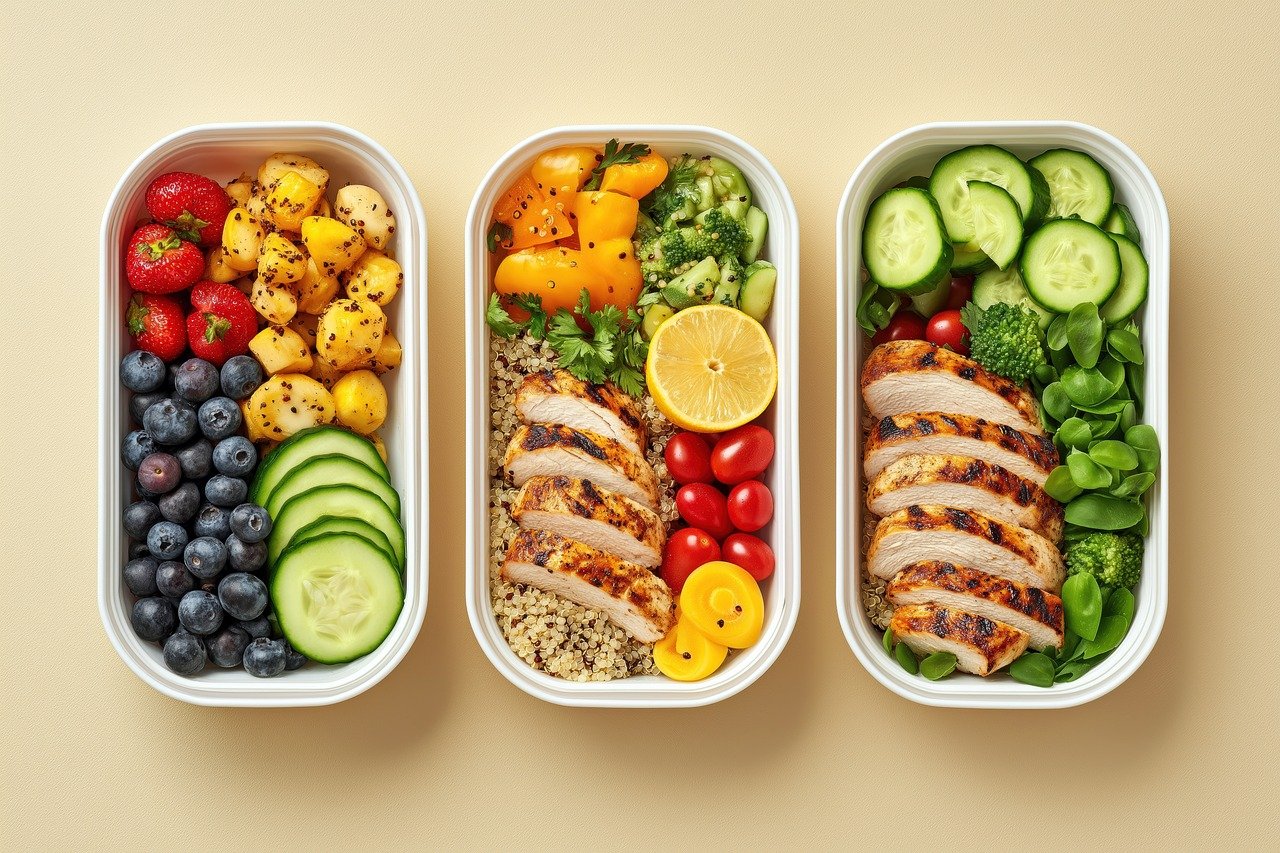
Establishing healthy meal plans is crucial for anyone aiming for effective weight maintenance over time. It can be challenging to know where to begin but having a structured approach is essential. A well-crafted meal plan should focus on incorporating a variety of foods that cater to nutritional needs while being enjoyable. Start by including plenty of vegetables, fruits, whole grains, and lean proteins in your diet. These foods provide essential nutrients and can help keep you feeling full longer. Consider planning your meals weekly, allowing for flexibility while ensuring you have healthy options available. Document your meals and snacks to track your intake, which also supports mindful eating habits. Finding recipes that align with your preferences is also essential; this promotes consistency and satisfaction. Finally, do not forget to consult a nutritionist or use reliable resources that can assist in creating tailored meal plans. Having a structured meal plan can significantly enhance your weight maintenance journey. By adhering to a balanced nutritional strategy, you’ll be setting yourself up for successful lifelong weight control, ensuring a healthier lifestyle long-term.
One of the most effective strategies for maintaining weight is practicing mindful eating habits. This means being aware of what you consume and truly enjoying each bite you take. Mindful eating involves focusing on the taste, texture, and aroma of food, which can lead to reduced caloric intake. To incorporate these practices into your life, consider the following tips. Firstly, try to eliminate distractions during meals. This may include turning off electronics and avoiding multitasking. Secondly, savor your food by taking small bites and chewing thoroughly. This allows your body to register fullness cues more effectively. Additionally, pay attention to hunger and fullness signals throughout the day. Eating when you’re actually hungry, rather than out of boredom or stress, is crucial. You might want to keep a journal for tracking your feelings towards food and any cravings. Emphasizing the importance of nutrition over emotional eating can be transformative. Lastly, don’t rush your meals; take your time to enjoy each dish, ensuring you derive satisfaction from your food, which can enhance the overall experience of healthy eating and make it easier to control your weight effectively.
Setting Realistic Goals
Setting achievable and realistic goals is vital for successful and lasting weight maintenance. Start small by defining specific objectives that are both practical and measurable. Although long-term outcomes are important, focusing on short-term goals can lead to sustainable progress. For instance, aim to include one additional serving of vegetables in each meal or replace sugary snacks with fruit. Celebrate each of these achievements to keep your motivation high. Consider using methods such as the SMART criteria—Specific, Measurable, Achievable, Relevant, and Time-bound—to craft these objectives effectively. Ensure your goals are meaningful and aligned with your lifestyle to maintain engagement. Tracking your food intake and achievements can also help you stay accountable and focused on your targets. Reflect regularly on your progress and reassess your goals as necessary, adapting them based on what works best for you. Collaborating with a friend or joining a supportive community can provide additional motivation and inspiration along your journey. By establishing and achieving these realistic goals, you increase your likelihood of maintaining your weight successfully over time, leading to healthier habits overall.
Another essential component of meal planning for weight management is portion control. Understanding how to evaluate portion sizes can significantly affect daily caloric intake. Begin by familiarizing yourself with proper serving sizes for different food groups. For example, a standard serving of protein is about the size of a deck of cards, while a serving of grains should be about the size of your fist. Tools such as measuring cups and kitchen scales might help in determining correct portion sizes, particularly in the beginning stages of your weight maintenance journey. It may also be beneficial to utilize smaller plates and bowls, as they help trick the brain into perceiving larger portions. Additionally, consider reading nutritional labels and understanding how many servings are contained in a package. This is vital for managing snacks and processed foods. By controlling portions without depriving yourself of your favorite foods, you can maintain a balanced diet while enjoying various culinary experiences. Ultimately, mastering portion control not only aids in weight maintenance but also promotes a healthier relationship with food, encouraging sustainable eating habits for the long term.
The Importance of Variety
Incorporating variety into your meal plans is another foundational aspect of effective weight maintenance. Eating a diverse range of foods prevents monotony and keeps you excited about your diet. This variety ensures you receive a broad spectrum of nutrients essential for good health. Start by experimenting with different cuisines and ingredients, which can inspire innovative cooking ideas that align with your dietary goals. For example, include whole grains such as quinoa, farro, or bulgur alongside traditional favorites like brown rice. Rotate your protein sources as well, opting for fish, legumes, or poultry. Familiarizing yourself with spices and herbs can elevate flavors, making healthy foods more appealing. Seasonal food selections can also enrich your diets, ensuring you enjoy fresh produce. Moreover, involving family or friends in meal preparation can introduce fun and camaraderie into cooking experiences, enhancing meal enjoyment. By prioritizing variety in your meals, you’ll not only support nutritional health but also cultivate positive eating habits that are easier to maintain over time, fostering a sustainable lifestyle while controlling your weight effectively.
Planning for treats and indulgences is an important, often overlooked, aspect of effective meal planning for weight maintenance. Allowing yourself occasional treats prevents feelings of deprivation and can help in sustaining a healthy relationship with food. Identify your favorite indulgences—whether they be sweets, savory snacks, or dining out—while integrating them mindfully into your meal plans. Setting aside specific times to enjoy these treats can offer a sense of balance. Moreover, consider smaller portions of your favorite indulgences rather than larger servings. This allows you to indulge without derailing your weight control efforts. It can be beneficial to prepare healthier versions of your favorite dishes; for example, substituting ingredients to create lighter desserts or snacks. Experimenting with healthier recipes can lead to discovering new flavors and preferences. Building in time for physical activity around indulgent meals can help mitigate weight gain while enhancing enjoyment. Ultimately, allowing for treats encourages long-term adherence to your meal plans, fostering a healthier lifestyle that emphasizes moderation rather than restriction, positively impacting weight maintenance efforts over time.
Staying Hydrated
Lastly, do not underestimate the role of hydration in your meal planning. Water is essential for overall health, and adequate hydration can support effective weight management. Many people mistake thirst for hunger, leading to unnecessary caloric intake. By staying hydrated, you can minimize this misconception and support bodily functions. Begin by tracking your daily water intake and aiming for the recommended amount, which is typically around eight 8-ounce glasses—more if you are physically active. Incorporating hydrating foods into your diet is also beneficial; fruits and vegetables with high water content, such as cucumbers and watermelon, can contribute to your hydration. During meals, drink a glass of water before you start eating; this practice can curb hunger and enhance satiety. Additionally, replacing sugary drinks with water or herbal teas can significantly reduce overall caloric consumption. When planning meals, consider preparing nourishing soups or broths that not only hydrate but also provide comfort. By prioritizing hydration, you will support your weight maintenance goals and overall well-being, forming a vital component of a balanced lifestyle.