
Best Practices for Sanitizing Bootcamp Equipment
Maintaining cleanliness in bootcamp training is essential for the safety and health of participants. Proper sanitization of equipment not only prevents the spread of germs but also promotes a better training environment. First, establish a routine for cleaning all equipment used during sessions. Ensure that each piece is wiped down before and after each session to eliminate visible dirt and bacteria. Use disinfectants that are known to kill a broad spectrum of pathogens for maximum effectiveness. It’s crucial to focus on high-touch areas such as handles, grips, and benches. In addition, consider using disposable wipes during workouts to encourage participants to clean equipment after use. Remind everyone of their responsibility in keeping the equipment clean and safe. Incorporating these steps into your organization’s training procedures helps create a culture of cleanliness and health awareness. Don’t forget to educate all participants on the importance of hygiene to avoid potential illness from shared equipment. With commitment and proper practice, you can ensure that bootcamp equipment remains clean, safe, and ready to support all fitness goals.
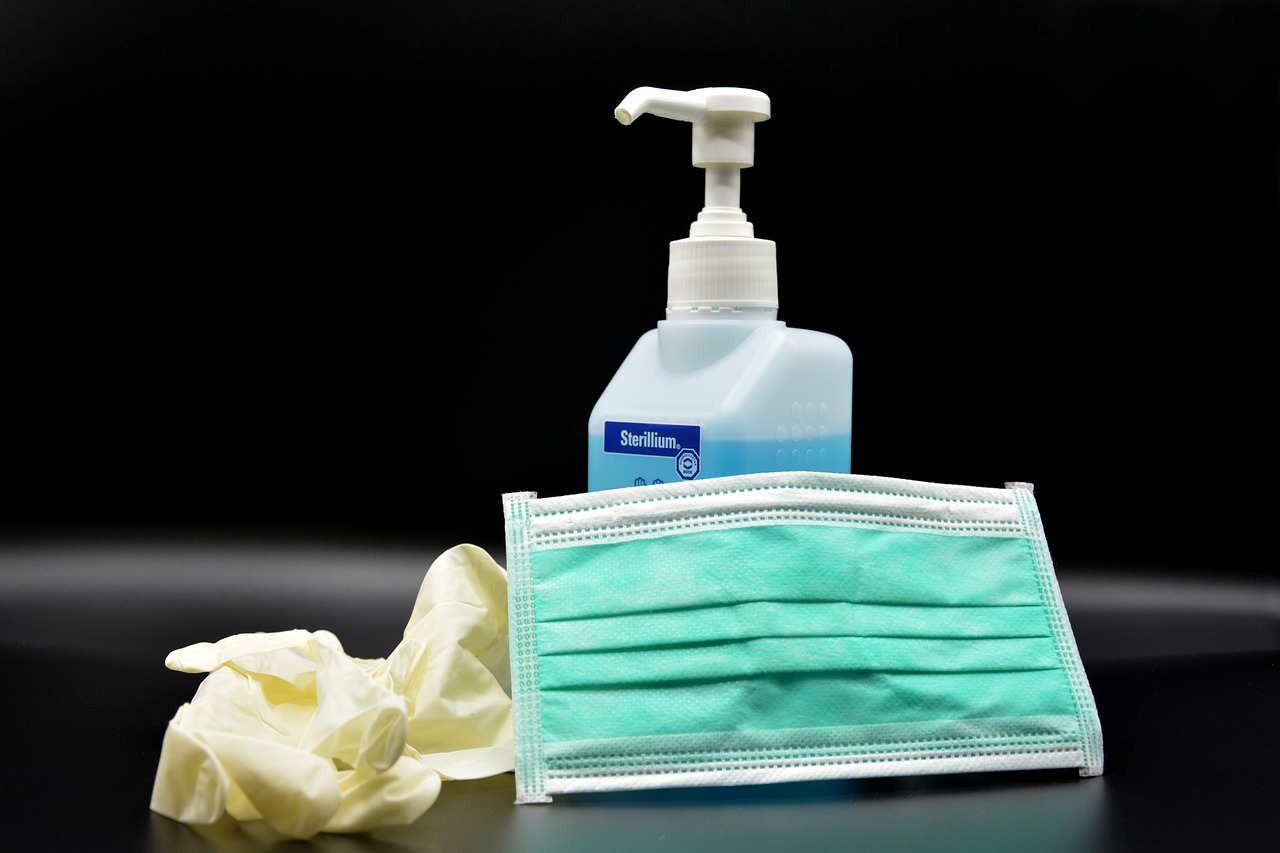
After establishing a sanitization routine, you should select the right cleaning products. Choose products that comply with health regulations and are safe for the materials used in your equipment. Investigate the effectiveness of various sanitizers, focusing on those that have been proven to reduce pathogens significantly. Some common choices include alcohol-based solutions and hospital-grade disinfectants. Be aware of any specific cleaning instructions provided by manufacturers for each type of equipment. This can help prolong the life of the gear while enhancing its sanitary condition. Avoid using overly abrasive cleaners that could cause damage to equipment surfaces. It’s also wise to rotate between different disinfectants periodically to avoid resistance build-up in microorganisms. Additionally, consider eco-friendly cleaning options to reduce your environmental footprint while promoting safety. For effective sanitization, apply the disinfectant thoroughly and allow it to sit for the recommended contact time on the surface. Educate your staff and participants about these products and ensure their correct usage during equipment cleaning.
Storage and Maintenance of Sanitized Equipment
Proper storage of sanitized bootcamp equipment plays a critical role in maintaining their cleanliness and longevity. Always store equipment in designated areas that are dry, clean, and well-ventilated to prevent mold growth and contamination. Depending on the type of equipment, consider employing protective covers to shield them from dust and pollutants. Keep storage areas organized to make equipment easily accessible while also preventing overcrowding. Overcrowding can trap dirt and germs, negating your sanitization efforts. Regular inspections of stored equipment are also essential, as this can help you identify any issues early, allowing for timely repairs or replacements. Create a checklist to monitor equipment conditions routinely. If you notice any persistent stains or damage, take immediate measures to restore or replace those items. Encourage participants to report any unsatisfactory conditions they encounter with the equipment to ensure collective responsibility for cleanliness and maintenance. Lastly, consider introducing a rewards system for participants who consistently report cleanliness issues, thereby fostering a community-focused approach to equipment care.
Cleaning and sanitizing workout mats are especially vital due to their frequent contact with participants’ bodies. Ensure that these surfaces are thoroughly wiped down using appropriate disinfectants after every use. During classes, offer participants the option to use personal towels or mats to enhance hygiene. If they’re using communal mats, remind them to bring their wipes for additional cleaning. Designate a specific area for mat storage, ideally away from other equipment, to minimize cross-contamination. Consider implementing a monthly deep-cleaning schedule for mats that may include soaking or steam cleaning as necessary. Proper drying is crucial; always hang mats to dry after cleaning to avoid mildew buildup. It is beneficial to rotate mats to ensure even wear and tear, prolonging their use. Educate everyone on the importance of this protocol, encouraging them to share practices and tips for maintaining mat cleanliness. This will contribute to a healthier workout environment and improved performance since participants will feel more comfortable using sanitized gear.
Participant Awareness and Education
Educating participants about the importance of sanitation in bootcamp training is an effective strategy for promoting healthy practices. Hold informative sessions at the beginning of each bootcamp series, where you can explain the risks associated with unsanitized equipment. Consider using visual aids like infographics to convey statistics about germs and illnesses related to gym environments. Emphasize the role of participants in maintaining cleanliness by promoting individual responsibility when it comes to wiping down equipment after use. Send out regular reminders through emails or social media platforms to reinforce these messages between sessions. You could even create a handbook that outlines the sanitization protocols and health guidelines related to bootcamp training. Additionally, foster an open line of communication for participants to express any concerns about cleanliness. Recognize the participants who actively contribute to maintaining hygiene standards, possibly showcasing them on a leaderboard to motivate others. Encouragement goes a long way in building a community that prioritizes health, enabling everyone to feel safe while engaging in rigorous training.
Utilizing feedback effectively can enhance the sanitization process in your bootcamp sessions. After each class, take a moment to solicit participant feedback specifically on cleanliness and maintenance aspects. Questions could include: How clean did the equipment appear? Did you notice any areas needing attention? Gathering such information can help you identify gaps in your current practices. Analyze this feedback regularly to make necessary adjustments or improvements to your protocols. In addition to formal feedback, pay attention to informal conversations among participants regarding equipment cleanliness and any discomfort they experience. Use social media platforms or group chats to facilitate discussions around sanitation and ask for suggestions from the community. Organizing workshops to train staff on advanced sanitization techniques can significantly boost overall cleanliness. Furthermore, consider conducting biannual surveys to gauge the effectiveness of your cleanliness policies. These measures will help cultivate a consistently high standard for equipment hygiene. An engaging and responsive environment regarding cleanliness reinforces the bootcamp curriculum while ensuring participant safety and well-being.
Final Thoughts on Sanitizing Bootcamp Equipment
In conclusion, maintaining sanitized bootcamp equipment is an ongoing commitment that benefits health and performance. Implementing structured cleaning routines, selecting appropriate products, and promoting participant engagement are vital steps in this process. Playing an active role in sanitizing equipment not only ensures user safety but also enhances the overall training experience. Be diligent in educating all participants about hygiene, creating a culture where everyone feels responsible for their shared environment. Ensure that all trainers observe and follow the established cleaning protocols, enhancing accountability throughout your fitness community. Regular communication about cleanliness helps foster valuable relationships among participants and staff. The cumulative effect of these efforts will be reflected in the overall health of the bootcamp, leading to better attendance and results. By continually making adjustments based on participant feedback and the latest health guidelines, you can guarantee top safety standards for everyone involved. Remember that cleanliness is not a task to be undertaken lightly; it is a crucial aspect of effective training that deserves your focus and prioritization at all times.
Overall, creating and maintaining high cleanliness standards in bootcamp training environments reflects an organization’s commitment to participant health and safety. Regular training sessions for both participants and coaches reinforce the role each individual plays in maintaining cleanliness. Establishing these practices as part of your culture will ensure all engage in a teamwork-focused approach to hygiene, leading to reduced risks of disease transmission. Remember to assess and adapt your sanitization protocols periodically, always emphasizing continual improvement. With a proactive stance on cleanliness, your bootcamp will not only be seen as a safe space but will also thrive in fostering healthy and effective training experiences.