
Incorporating Equipment for Advanced HIIT Challenges
High-Intensity Interval Training (HIIT) is a powerful workout method. To advance your HIIT training, integrating various equipment can elevate the intensity and the effectiveness of your workouts. For example, kettlebells are ideal for dynamic movements that boost explosiveness. Resistance bands also offer versatility, allowing exercises that enhance strength as well as speed. By incorporating battle ropes, you can develop not just muscular strength but also endurance. You might also consider weighted vests, which can increase the resistance during bodyweight exercises. Moreover, a jump rope can add a cardiovascular challenge that complements other equipment. Incorporating these tools transforms standard HIIT routines into advanced challenges. Think about circuit training with different stations where each piece of equipment targets varying muscle groups. This stimulates the body further, leading to increased calorie burning. New approaches keep participants engaged and motivated. Lastly, don’t forget the recovery post-intensity, as functional fitness works best when paired with adequate rest. This technique not only elevates the physical aspects but also aids mental resilience, essential for overcoming the challenges faced in advanced HIIT workouts.
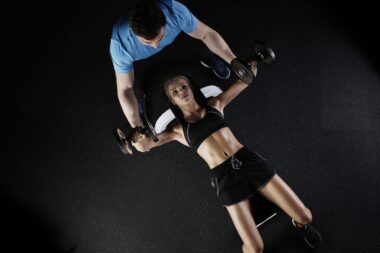
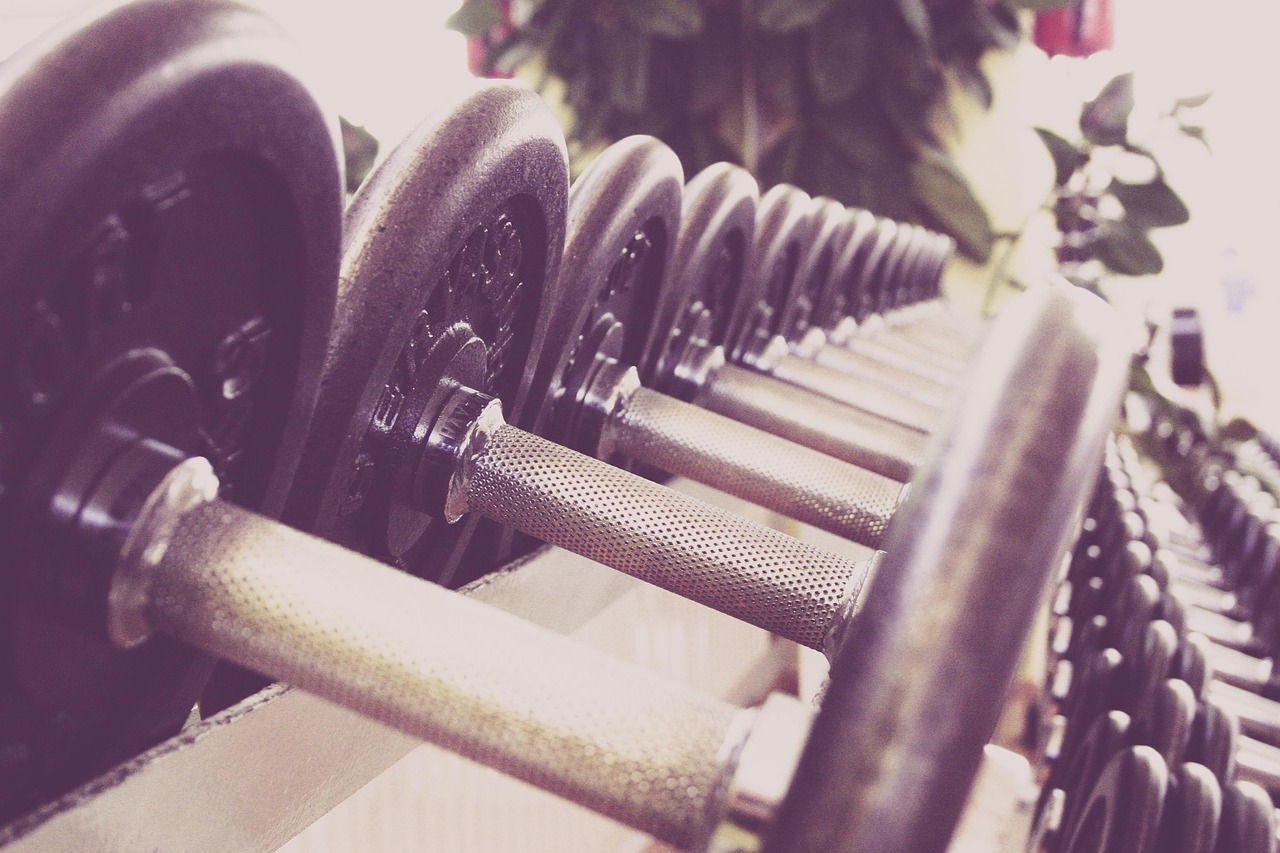
When utilizing equipment for HIIT, programming must align with your goals and fitness level. Choosing the right equipment is essential. One effective tool is the medicine ball, which facilitates powerful movements like slams and throws. These exercises can also build metabolic conditioning and improve explosive strength. Another strategic option is incorporating a stability ball, promoting core stability and balance during dynamic workouts. Using a set of dumbbells is also beneficial for weight management and muscular endurance. Focused intervals using these weights can enhance overall strength. Remember to mix bodyweight exercises with equipment, as this can balance intensity while reducing monotony. Alternatively, using plyometric boxes can increase the challenge with jumps and box drills. Ensure all exercises developed from these tools are functional and varied to prevent plateaus. Hip thrusts, thrusters, and other multipurpose exercises will enhance your training efficiency. Adding a variety of modalities ensures that workouts remain fresh and challenging without losing the essence of HIIT. Lastly, utilize timers and intervals strategically to optimize performance output and efficiency during advanced HIIT sessions for maximum benefits.
Benefits of Using Equipment in HIIT
Incorporating equipment in your HIIT training offers benefits that compound your fitness journey. Equipment increases resistance, amplifying muscle recruitment and enhancing strength gains, especially when you progress from basic exercises to more complex movements. Enhanced metabolic effects are another perk, allowing for improved calorie burn during and after workouts. Engaging various muscle groups leads to a well-rounded fitness profile. Additionally, equipment can enhance stabilization and control, addressing weaknesses and muscular imbalances. Utilizing a variety of gear, such as the TRX suspension trainer, can improve body control and endurance. With more tools comes a breadth of creativity in designing workouts, preventing stagnation and boredom. Improved flexibility in your routine can lead to higher adherence rates. It’s crucial to keep workouts enjoyable and adaptable. Furthermore, combining movements with equipment allows for compound exercises, which engage multiple muscle groups simultaneously, maximizing efficiency while minimizing workout time. Thus, these adaptations foster an environment suited for advanced training. Ultimately, a successful HIIT regimen thrives on individual engagement through varying methodologies and equipment utilization, pushing beyond previous limits.
The synergy of cardiovascular and muscular training characterizes HIIT at its advanced levels. Combining aerobic and anaerobic components creates a comprehensive workout experience. Utilizing equipment like kettlebells often, integrates strength training seamlessly into your cardio sessions, enhancing overall fitness. To optimize this integration, consider creating supersets that focus on alternating between cardiovascular and strength exercises. For instance, after performing squats with weights, immediately switch to burpees for a heart-pumping burst. Interval-style training increases the training stimulus, improving both oxygen consumption and muscle fatigue resilience. This approach encourages faster recovery and improves endurance performance. As an attachment to high-intensity intervals, introducing more specific equipment creates focused adaptations to your training. For example, using weighted sleds pushes against resistance, building strength and cardiovascular capacity simultaneously. Ensure to adjust intervals based on your fitness goals; whether burning fat or building muscle, rest periods significantly affect overall training outcomes. Therefore, experimenting with supersets and interval adjustments will allow refined results, pushing your fitness to new heights beyond conventional limits. With every session, reevaluate and adjust techniques to ensure continual progression in your HIIT challenges.
Crafting Dynamic HIIT Circuits
A critical aspect of advanced HIIT is structuring circuits that are dynamic and varied. Include different pieces of equipment amongst stations, each targeting a different muscle group or energy system. For instance, using kettlebells at one station while employing skipping ropes at another provides a full-body workout comprising both strength and endurance elements. Incorporating timed intervals with rest periods can yield significant results. A range of 30-second working intervals with 15-second rests is effective for amplifying intensity. Transitioning rapidly between exercises keeps heart rates elevated, maximizing caloric expenditure during the session. Additionally, utilizing small steps to fine-tune exercises enhances skill acquisition while mitigating injury risk. Gradually advancing from simpler exercises allows for improvements in movement quality when fatigue sets in. Like all successful HIIT protocols, listen to your body, adjusting durations and intensities as necessary. You may consider recording your sessions to analyze progress on repetition speed or intensity. This reflective practice can improve future sessions. Moreover, encourage participants to share their experiences to foster community engagement and accountability within HIIT settings.
Safety should always be prioritized while performing advanced HIIT workouts with equipment. Ensure proper warm-up procedures are conducted before commencing high-energy routines. Engaging in dynamic stretching aids in preparing your muscles and joints for movement and reducing the risk of injury. Pairing this with a gradual temperature increase through light cardio serves as an excellent preparation method. Also, ensuring that all equipment is fit for purpose is crucial. Regular inspections and maintenance of weights, bands, and other tools will help keep risk levels low while using them. Clearly demonstrate each exercise beforehand to ensure all participants understand the mechanics involved. This educational approach can prevent accidents stemming from poor form. In case of injury, cultivate a culture of awareness that encourages participants to signal discomfort rather than push through pain. Furthermore, promoting suitable hydration and nutrition will aid recovery, which is essential in HIIT’s intensity-driven environment. Managing the flow of a class also involves creating an environment that fosters confidence in equipment handling. Ultimately, with safety measures firmly in place, participants can experience the full benefits of advanced HIIT challenges.
Conclusion: Elevating HIIT Through Equipment
Enhancing your HIIT experience with various forms of equipment undoubtedly elevates the challenge level. Not only will you be cross-training your body, but you will also reinvent your overall fitness journey. Dynamics of workouts transition from basic exercises into full-fledged strength and cardio masterpieces, uniquely tailored to individual goals. Keeping workouts fresh and stimulating through circuit variation enables continued engagement and helps break plateaus. The introduction of specific tools essentially enriches the experience, targeting nuanced areas for development. Just as importantly, consider implementing recovery strategies as you ramp up intensity. Provided that you utilize recovery methods such as foam rolling post-session, your muscles will experience continued adaptation without overwhelming fatigue. Collaboration and accountability are vital in fostering an environment conducive to advanced HIIT. Lastly, stay committed to refining your techniques, learning new methods, and setting progressive goals. Whether working out in a gym or leading a class, the incorporation of equipment remains essential to cultivating an engaging and effective workout environment. By exploring such advancements in HIIT, you stand on the threshold of fitness excellence.
The world of HIIT offers possibilities limited only by creativity, commitment, and the willingness to keep pushing boundaries. When love for physical challenge meets methodology, results are sure to follow. Therefore, it is essential to step outside conventional norms and embrace advanced techniques and equipment for progressive development.
No matter your starting point, everyone can integrate equipment into their HIIT routine with manageable challenges. Remember, continuous improvement during workouts will reflect positively in all areas of life, not just fitness. Embrace the journey!