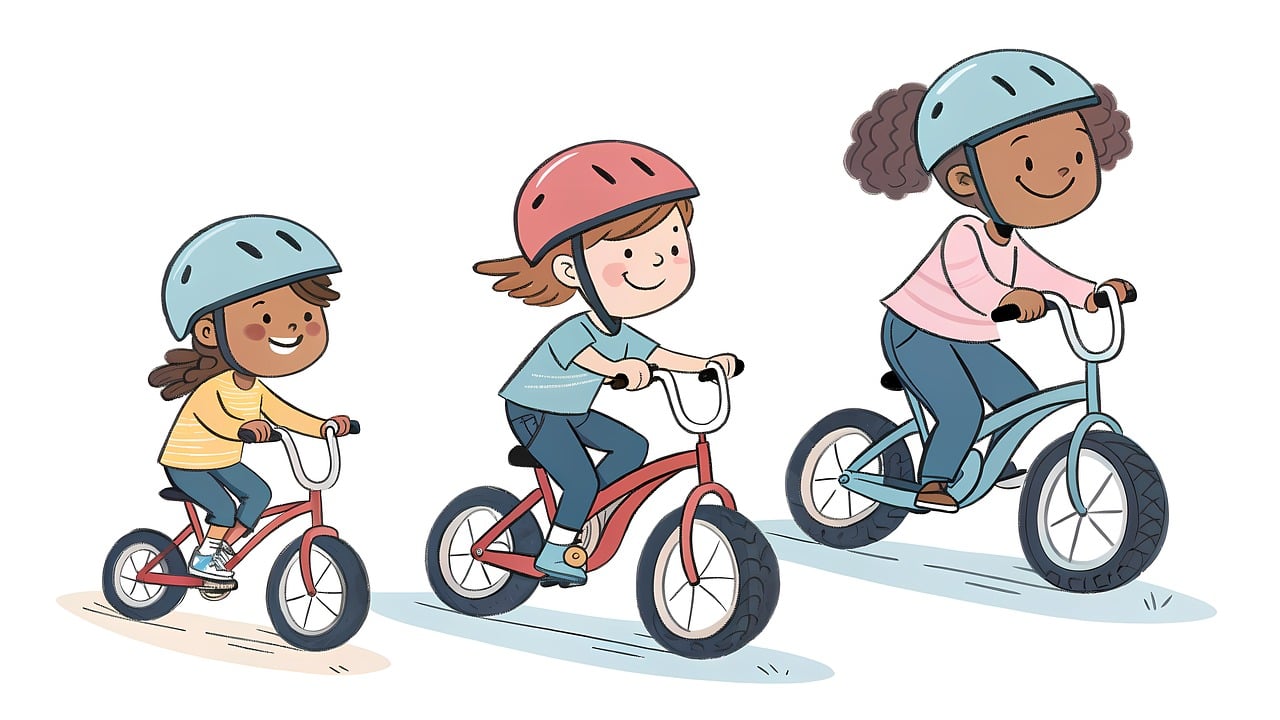

The Environmental Benefits of Promoting Youth Cycling
Cycling offers a myriad of environmental advantages, particularly when it comes to encouraging youth participation. One of the most considerable benefits is the reduction of greenhouse gas emissions. As more children learn to cycle, there is a lesser reliance on cars for transportation. This shift means fewer vehicles on the road, leading to cleaner air and a more sustainable environment. In addition to lowering emissions, promoting cycling among youth helps decrease traffic congestion. Fewer cars mean less time spent idling in traffic, which contributes to lower fuel consumption. Additionally, cycling promotes a healthier lifestyle for young individuals and fosters greater awareness of environmental issues. Schools can play a pivotal role in this promotion by integrating cycling programs into physical education classes. Organizing community cycling events can further amplify enthusiasm for biking, teaching children about the significance of eco-friendly transportation. Furthermore, by role-modeling cycling and incorporating it into everyday activities, parents can instill these values in their children. As youth embrace cycling, they cultivate habits that support environmental sustainability throughout their lives. This, in turn, leads to a healthier planet for future generations.
To effectively promote youth cycling, it’s crucial to ensure that communities provide adequate infrastructure, such as safe bike lanes and secure parking areas for bicycles. Such infrastructure encourages children and their families to view cycling as a viable and safe mode of transportation. Communities can also implement educational programs that teach cycling safety and maintenance. Schools can organize training sessions that focus on the rules of the road and how to navigate urban environments safely. Parents must also advocate for safe cycling conditions by urging local authorities to consider the needs of young cyclists. Community events like bike-to-school days can further reinforce the importance of cycling as a transport option. These events create a tangible experience for children, allowing them to understand firsthand the benefits of cycling while enjoying the activity. Importantly, promoting cycling among youth can also act as a gateway to greater environmental responsibility. As kids cycle, they become more aware of their surroundings, fostering a connection with nature. This connection is invaluable as it encourages them to engage in other eco-friendly activities, such as recycling and conservation initiatives. In this way, cycling can nurture environmentally conscious citizens.
Moreover, cycling improves air quality significantly, benefiting the health and well-being of the communities involved. Studies show that areas with higher rates of cycling have cleaner air, which translates to overall better public health. By decreasing reliance on motor vehicles, the air pollution resulting from traffic congestion can be lessened. Consequently, young cyclists enjoy a healthier environment, reducing the burden of respiratory diseases and other health problems associated with pollution. Additionally, encouraging youth to cycle can drive investment in green spaces, parks, and recreational areas. More cycling often leads to enhanced local infrastructure, promoting vibrant, active communities. Authorities may prioritize developing parks and pathways that are bike-friendly, benefiting all local residents. Young cyclists can benefit from having safer, more pleasant surroundings that encourage outdoor activity. Furthermore, this investment in cycling may motivate families to incorporate more outdoor activities into their lifestyles. The visibility of youth cycling can also beautify neighborhoods, making them more inviting. This visual appeal can encourage others to join the cycling movement, ultimately fostering a culture of environmental awareness and stewardship in local communities.
Encouraging Long-Term Eco-Friendly Habits
Introducing children to cycling fosters lifelong eco-friendly habits. Young cyclists develop a sense of responsibility towards their environment as they engage in this sustainable mode of transportation. These habits can continue into adulthood. Cycling inspires children to advocate for sustainability in their everyday lives; for instance, they may choose to support local businesses that prioritize sustainability. As adults, they are more likely to consider eco-friendly alternatives in transportation, such as electric cars or public transit. The consciousness gained from cycling extends beyond personal choices, often sparking involvement in community environmental efforts. Children who enjoy cycling may become advocates for cycling programs, influencing peers and adults to embrace cycling as well. Educational institutions can support this advocacy and sustainability through programs that teach environmental science and emphasize action-based learning. Children who know how to care for the environment can spread this knowledge to others, creating a cycle of advocacy. Moreover, cycling positively impacts their mental health, reducing stress and promoting overall well-being. When youth have healthy physical outlets, they are more likely to experience positive mental states, and this can build resilience and create an appreciation for a healthy environment.
To support youth cycling initiatives, governments and organizations can implement various strategies. One effective approach is to provide financial incentives for families who encourage their children to cycle, such as tax credits or subsidies for purchasing bikes. Local governments could enhance their investment in safe cycling infrastructure, ensuring schools and communities prioritize establishing bike lanes and trails. By creating a supportive framework for youth cyclists, authorities can eliminate many hurdles that young people face. Non-profit organizations can also play a crucial role by providing bikes to underprivileged youth. Such actions can democratize access to cycling, ensuring that children from all backgrounds can experience its benefits. Furthermore, organizing community rides and events specifically for youth can help build a sense of belonging. Young cyclists can interact with like-minded peers, fostering friendships through a shared passion for cycling. Schools can further facilitate this by creating cycling clubs or teams where children can join together and build skills. Partnerships with local businesses that provide discounts for young cyclists can enhance community support, creating a network that encompasses a sustainable lifestyle and strong relationships.
In summary, promoting youth cycling presents numerous environmental benefits and opportunities for personal growth. As more children embrace cycling, communities can expect cleaner air, reduced traffic congestion, and healthier lifestyles. It is essential for local authorities, schools, and families to work together in creating a supportive environment that nurtures cycling. Ensuring safe infrastructure and conducting engaging educational programs will cultivate a culture of cycling among youth. Moreover, instilling a love for cycling fosters awareness and responsibility regarding environmental issues. Ultimately, these initiatives contribute to a healthier planet and encourage youth to pursue sustainable choices. A collective effort will secure a brighter future for the environment while setting children on a path of lifelong healthy habits. As communities witness the joys of youth cycling, they will recognize the profound impact such initiatives can have on both the environment and individual well-being. Together, let’s nurture a generation of young cyclists who are not only aware of their environment but actively engaged in preserving it for future generations. This transformation is crucial for ensuring a sustainable lifestyle in a rapidly changing world.
Conclusion: The Path Forward for Youth Cycling
In conclusion, the promotion of youth cycling stands as an essential component in the quest for ecological sustainability. Cycling instills a love for the environment, coupled with an appreciation of physical activity. The community involvement, friendships fostered through cycling, and the environmental contributions are invaluable. For both the youth involved and the communities at large, these impacts can resonate beyond individual experiences. Local governments, educators, and families must recognize their role in facilitating this movement. Investing in programs, infrastructure, and safety education can propel youth cycling initiatives forward. Additionally, partnerships between cycling organizations and schools can expand the reach of cycling advocacy. Communities should embrace the potential of youth cycling to serve as a powerful force for good. Encouraging children to ride their bikes allows not only for the benefits of physical health but contributes significantly to environmental restoration efforts. Ultimately, fostering a love for cycling among the youth can lead to flourishing communities that embrace sustainability, healthy choices, and an engaged citizenry. By working together, we can shape a future where cycling flourishes, and our environment thrives.
Emphasizing the importance of youth cycling highlights the meaningful relationship between physical activity and environmental stewardship. As children cultivate habits of cycling, they can also become passionate advocates for sustainable practices. Encouraging diverse cycling opportunities and making an effort to eliminate barriers will significantly enhance participation levels. Programs that support youth cycling efforts can set the stage for transformative community change. Thus, it is imperative to highlight key strategies and best practices that can lead to successful initiatives empowering youth to ride. Building relationships among local stakeholders will fortify these efforts, ensuring engagement amongst schools, nonprofits, and government bodies. By harnessing collaboration and investing in youth-focused cycling initiatives, we can pave the way for sustainable environmental practices. It also allows us to create societies where public health is prioritized alongside environmental conservation. Each journey taken on two wheels marks a step towards a brighter, greener future. Therefore, as we promote a culture of cycling for youth, we recognize the potential impact on their health and our planet. Cycling isn’t just a mode of transportation; it is a lifestyle choice that holds the key to sustainable community development.