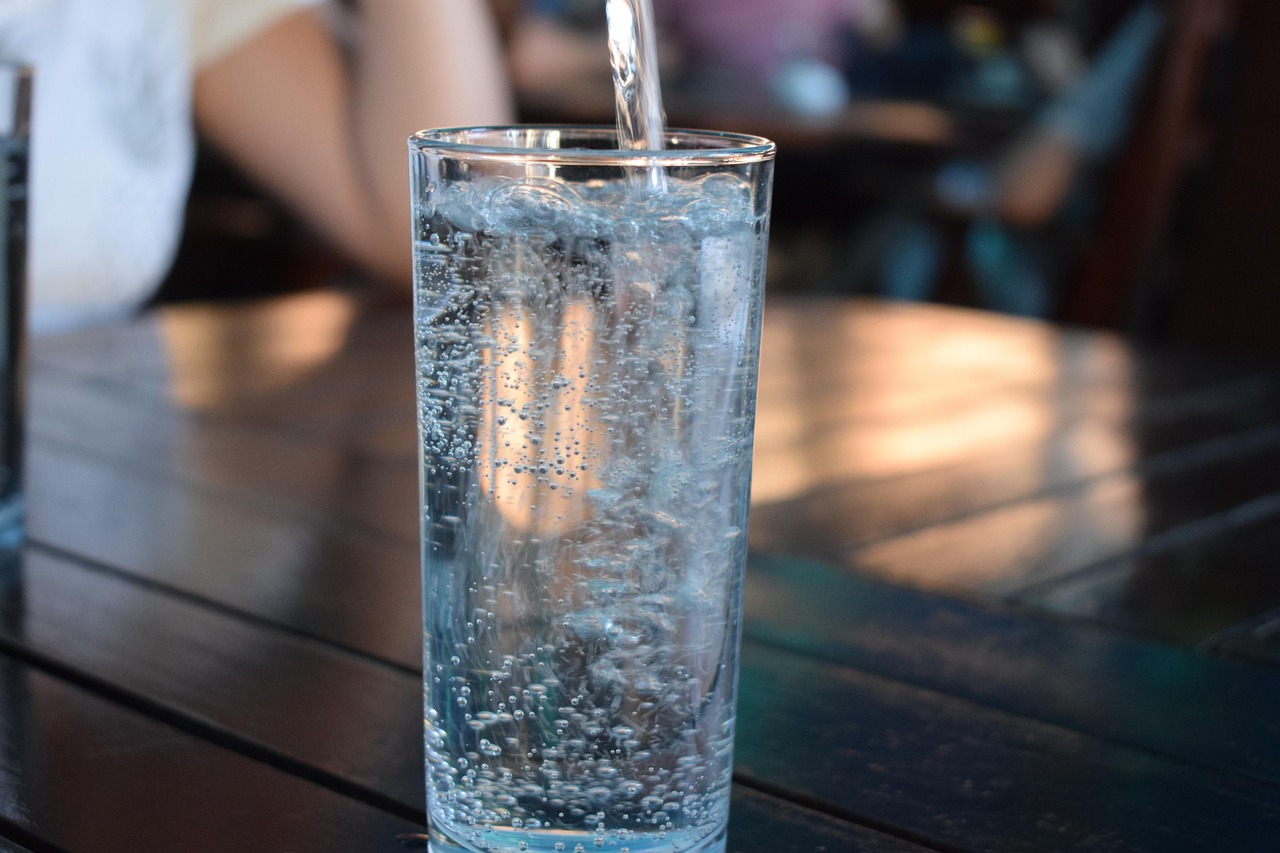

Hydration for Maintaining Metabolic Rate With Age
As we age, our bodies undergo various changes, affecting metabolic rates significantly. Proper hydration is essential for maintaining these rates. Water aids in numerous metabolic processes, influencing energy levels. Dehydration can result in a slower metabolism, making weight management more difficult. According to research, older adults are more susceptible to dehydration, which can undermine health. Insufficient fluid intake can lead to fatigue and reduced cognitive function. Moreover, metabolic processes such as nutrient absorption and waste elimination rely heavily on adequate hydration. Water helps in digesting food and transporting nutrients throughout the body. It also plays a vital role in regulating body temperature. Therefore, understanding the importance of staying hydrated is critical, especially as we get older. Attention should also be given to signs of dehydration. Common symptoms include dry mouth, fatigue, and decreased urination. Ensuring adequate water intake is doable by developing daily habits, such as carrying a water bottle. Taking short breaks during activities to drink water can help. Overall, being proactive in hydration can significantly impact maintaining metabolic health.
Beyond just drinking water, it’s important to focus on the timing of fluid intake. Consuming water before meals may help control appetite, which is vital for maintaining metabolism. A study indicated that drinking approximately 500ml of water before meals can result in a decrease in caloric intake among older adults. Alongside scheduled water intake, incorporating water-rich foods can boost hydration levels. Foods like cucumbers, tomatoes, and watermelon not only provide hydration but also essential nutrients needed for metabolism. Aging also alters our sense of thirst, leading to decreased water consumption. This can be easily rectified by establishing a routine, encouraging regular drinking habits. Tracking daily water intake might be beneficial as well, helping individuals stay accountable. This concept highlights the necessity of supporting metabolic functions through hydration. Regular hydration may also help mitigate some age-related physiological changes, such as declines in muscle mass. Additionally, those engaging in regular exercise should prioritize hydration before, during, and after workouts to recover adequately. Instruction from health professionals may also guide proper hydration practices. This holistic approach helps in recognizing the intrinsic connection between hydration and effective metabolic processes.
The Connection Between Hydration and Metabolism
Hydration plays a pivotal role in enabling effective metabolic processes within the body. When fluids are adequately replenished, our internal systems function optimally. Water is instrumental in breaking down food and absorbing essential nutrients. It also facilitates energy production, which is critical for maintaining a healthy metabolism. Inadequate hydration can impair these functions, leading to a sluggish metabolic rate. Therefore, older adults should be attentive to their hydration levels. Staying hydrated ensures that enzymes and hormones function correctly, both of which have regulatory roles in metabolism. Additionally, the relationship between hydration and physical activity cannot be overlooked. Engaging in regular exercise requires sufficient hydration to maintain energy levels and metabolic efficiency. Studies have shown that even mild dehydration can impair performance and recovery, influencing ongoing metabolic processes. Adjustments in diet can also establish hydration status, enhancing metabolic activity and promoting overall wellness. Utilizing fitness tracking can also help in keeping an eye on hydration levels. Simple adjustments to daily routines, such as reminding oneself to drink water, can aid in avoiding dehydration. Ultimately, prioritizing hydration supports not just metabolism but overall health.
Moreover, it’s essential to recognize the impact of environmental factors on hydration levels. Hot weather and high humidity can lead to significant fluid loss through sweat. Older adults must be vigilant in these conditions, ensuring hydration is a priority. Similarly, altitude can affect hydration; thus, individuals living or traveling in elevated areas should consume more fluids. Drinking beverages with electrolytes can also support hydration, especially after physical exertion. Maintaining the balance of fluids and electrolytes is crucial for metabolic homeostasis. Cultivating habits around hydration encourages a proactive approach to health. Carrying water throughout the day enables individuals to drink more readily, contributing to energy levels. Many adults underestimate their water needs, particularly during periods of exercise or prolonged sunlight exposure. Tips for enhancing hydration include flavoring water with fruits or herbs, making it more appealing. Staying hydrated helps reduce instances of urinary tract infections, which can be more common in older adults. Being aware of how many fluids one consumes daily contributes to improved hydration practices. Adapting these habits could lead to noticeable improvements in energy, metabolism, and overall health.
Strategies for Maintaining Hydration
To maintain hydration, a few strategies can be adopted easily. Firstly, creating a daily hydration routine can ensure consistent fluid intake. Setting reminders on smartphones alerts individuals when to hydrate. Incorporating hydration breaks into daily activities, such as during work or errands, can help too. Furthermore, engaging in hydration-focused challenges, like drinking a specific amount of water each day, mixes accountability with fun. Second, engaging in activities that promote fluid intake can foster hydration help. For instance, routine fruit and vegetable consumption inherently boosts fluid consumption. Making smoothies or juices can also provide interesting hydration options. Thirdly, those experiencing difficulties in drinking plain water can turn to herbal teas or flavored water. This diversity not only enhances hydration but makes the experience more enjoyable. Recommendations to reduce caffeine or alcohol consumption, which can contribute to dehydration should also be considered. Finally, education on hydration should be emphasized across community programs for older adults. Bringing awareness through workshops may provide useful insights into the significance of staying hydrated. These measures reflect a comprehensive approach to ensure hydration becomes an ingrained habit, promoting metabolic efficiency.
Lastly, educating oneself about the signs of dehydration remains crucial in maintaining fluid levels. The body gives clear signals when hydration is insufficient, including increased thirst and darker urine. Recognizing these signs, especially for older individuals, helps to mitigate potential health risks. Regular assessments of urine color can act as an effective measure to gauge hydration. Transparent or light yellow indicates proper hydration, while darker shades signal the need for more fluids. Moreover, building a support system can promote better hydration among peers or family members. Group challenges or initiatives around hydration can benefit collective wellbeing. Sharing tips and celebrating achievements encourages consistency within groups. For caregivers, understanding the hydration needs of those in their charge is vital. They must implement reminders and strategies to support adequate fluid intake daily. Staying hydrated should essentially be collaborative, merging social connections with health practices. Encouraging hydration in social settings could also transform how older adults view their hydration habits. Consequently, with increased awareness and community support, older adults can improve their metabolic rate, ensuring continued vitality and health as they age.
Conclusion: Making Hydration a Priority
In conclusion, hydration remains an integral factor in maintaining metabolic rates as we age. With age comes various physiological changes, and ensuring adequate water intake is crucial for optimizing health. The connection between hydration and metabolism is undeniable and requires greater awareness among older adults. Strategies such as developing daily hydration routines, recognizing the signs of dehydration, and building community support systems can cultivate healthier habits. Integrating water-rich foods into daily diets also enhances hydration. By valuing hydration as an essential aspect of overall well-being, individuals can empower themselves to make informed choices that promote longevity. Remember, adopting these simple strategies can make a significant difference in health. Regularly tracking fluid intake is one proactive step toward acknowledging hydration needs. Moreover, focusing on enjoyable drinking options can transform hydration habits. Awareness of hydration also promotes longevity and greater quality of life. Ultimately, through continued efforts and collaboration, effective hydration can lead to improved metabolic function with aging. Let’s make hydration a priority in maintaining energy, wellness, and metabolic health every day. This simple yet impactful change offers countless benefits for individuals, ensuring they thrive, no matter their age.
By fostering a culture around hydration, older adults can significantly enhance their lives. Health professionals must lead this initiative by providing resources and knowledge. Together, promoting the importance of fluency in hydration can heighten awareness and empower individuals towards healthier lifestyles. Now is the time to act on hydration. For a thriving future, take steps to implement hydration strategies daily! Continuous education on this crucial topic can change lives profoundly, enabling communities to flourish together. Small adjustments can accumulate over time, leading to substantial health improvements. Keep the conversation ongoing about hydration and its critical role in health. As individuals break barriers and explore diverse hydration methods, they can take charge of their wellbeing. Regardless of the obstacles, maintaining metabolic health through proper hydration must be a shared commitment. Let all commit to making these changes! Accessing reliable information through online platforms can also enhance understanding. This journey towards better hydration will encourage myriad benefits for personal wellness and collective health in our communities!