
Top 10 Home Workout Routines Perfect for Small Living Rooms
Small living spaces can make it challenging to fit in effective workout routines, but the good news is that you don’t need a lot of room to stay fit. Adapting home workouts for small spaces is entirely possible with the right approach. One of the best routines to try is the bodyweight circuit workout, which requires no equipment and yields great results. Focus on exercises that engage multiple muscle groups like squats, push-ups, and lunges. Not only do they save space, but they also maximize calorie burn. Pair this routine with short breaks to maintain a high heart rate. Additionally, utilizing furniture in your space can enhance your workouts. Consider using your couch for tricep dips or your dining chair for inclined push-ups. Keep your workout sessions efficient by experimenting with high-intensity interval training (HIIT) that can be done in around 20 minutes! Check online for a variety of HIIT videos designed specifically for limited space. Finally, maintain a clean, clutter-free area for optimal performance and focus during your home workouts, making the most of every inch.
Choosing the Right Workout
When it comes to exercising in small living rooms, selecting the right workout type is crucial for success. Cardio-focused exercises, such as jumping jacks or high knees, can easily be done in confined spaces and deliver potent results. Pilates and yoga are also excellent options, focusing on flexibility, strength, and balance in small areas. They require minimal equipment, such as a mat, making them ideal for apartment living. Resistance training is possible by utilizing resistance bands, which are easy to store and versatile for various exercises. By incorporating bodyweight exercises, you can also build strength without the need for bulky items. Consistency is key, so schedule regular workouts, ideally at the same time each day. Challenge yourself with workout apps that offer programs specifically tailored for small spaces. Remember, it is vital to have proper workout gear—even in small spaces. Shoes with good grip and padded mats can prevent discomfort during workouts. Overall, the right workout plan will keep you motivated and engaged. Explore different formats to determine the most effective style that aligns with your fitness goals while maintaining adaptability for future challenges.
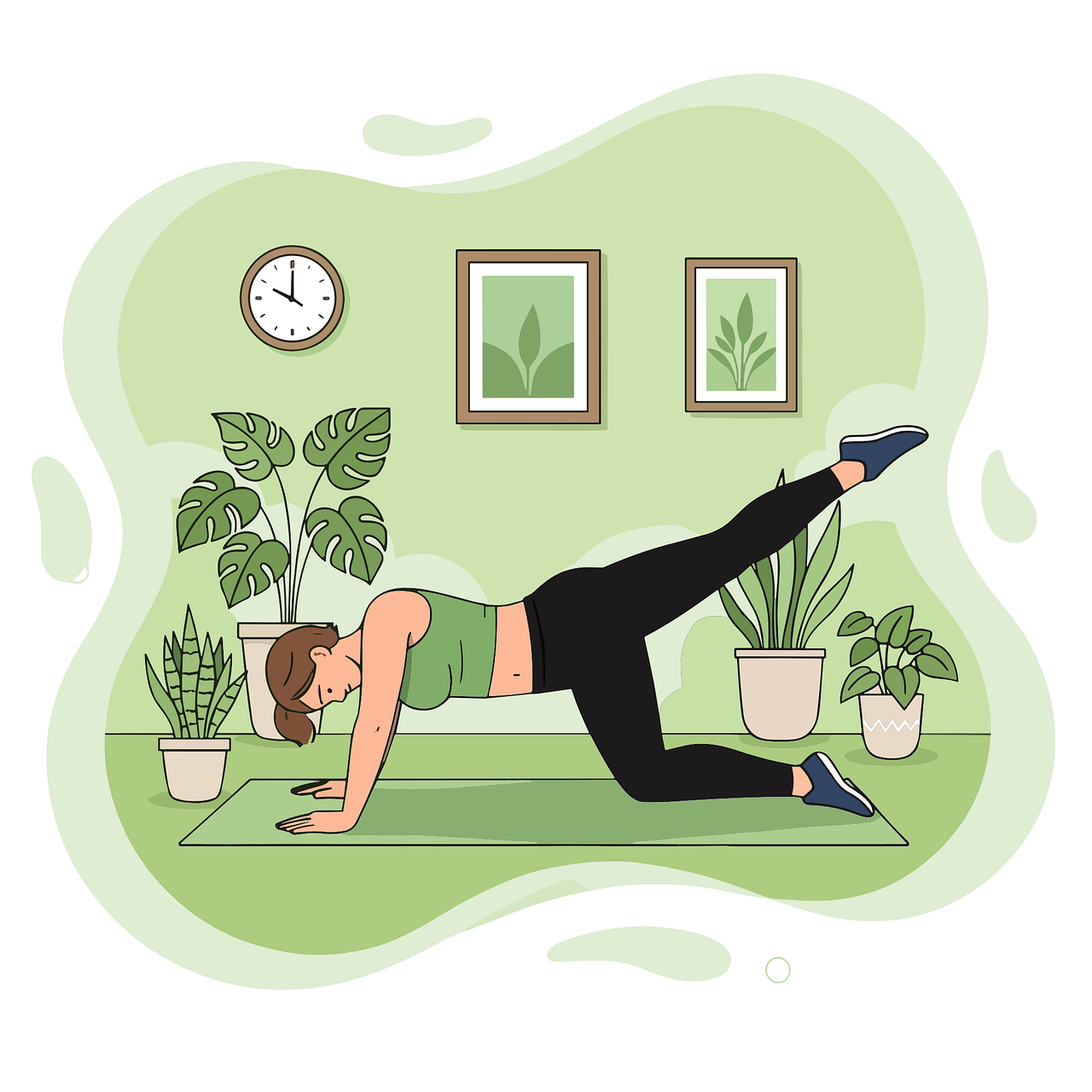
Developing a small-space workout routine should include a focus on flexibility, coordination, and general conditioning. Begin with dynamic stretching to improve mobility and warm up your muscles, preparing for more intense activities. Consider incorporating exercises like wall sits, which take minimal space and are excellent for building leg endurance. As you progress, engaging in stair climbs or step-ups using your home’s staircase can be a great addition to increase heart rate and build strength. Moreover, core workouts should not be overlooked, as a strong core can benefit overall physical performance. Plank variations or leg lifts can all be performed in limited space effectively. Don’t also forget the power of circuit training; it allows for rapid transitions between exercises without the need for much equipment. You can create a mini obstacle course of exercises such as burpees, squat jumps, and mountain climbers, ensuring a comprehensive workout regime. Incorporate interval training by mixing high-intensity efforts with rest or lower-intensive intervals. This keeps workouts interesting and valuable for all fitness levels while also ensuring efficient use of time and space.
Creative Uses of Space
Maximizing your limited living space for home workouts involves being creative with the environment around you. Every piece of furniture can serve a purpose in your workout routine. For instance, use a sturdy coffee table for elevated push-ups or tricep dips, integrating muscle-building activities seamlessly into your home setup. Stairs can be transformed into workout equipment, facilitating stair sprints or step-ups to increase heart rate and endurance. Using resistance bands is another effective method to revolutionize workouts without taking up valuable space. Anchor them on doors or around furniture for a multitude of resistance exercises that can elicit substantial gains. Moreover, invest in collapsible equipment like an inflatable stability ball, which can be easily stored when not in use. Exercise without equipment can include moves such as ski jumps, Russian twists, or even yoga poses that adapt well or even enhance smaller areas. Listen to your body and adjust movements to suit smaller areas while maintaining proper form. By focusing on creativity within your home workout routine, you’ll be able to enjoy fitness without feeling constrained by space.
Maintaining a scheduled workout plan can contribute significantly to the ability to adapt workouts in a small living area. Allocate specific days for various muscle groups or cardio-focused routines, promoting organization and motivation. Consider dedicating certain areas within your living space for different types of workouts. For example, designate the spot in front of your television for cardio and your mat area for yoga or stretching. Creating a designated workout zone will train your mind to associate that area with exercise, ultimately making it easier to dive into your routine. You may also track your progress with a workout journal; logging details about your routine can increase accountability and improve your fitness sense. Setting realistic and achievable goals will keep motivation high. You can join social fitness challenges online for added support and community connection. Get friends or family involved to create a positive influence and workout buddy atmosphere. Embracing a gym-like mentality at home can yield significant results while sparking joy in your fitness journey. Consistency is critical in achieving long-term health benefits and making home workouts enjoyable.
Kid-Friendly Home Workouts
If you’re living with children or pets, your home workout routine should also accommodate their needs. Kid-friendly workouts can include engaging activities like dance-offs or obstacle courses, providing that extra element of fun while keeping everyone active. There are various kid-friendly exercises available, such as animal crawls, hopscotch, or even basic yoga poses. Additionally, consider combining your workouts with family fun routines that allow everyone to participate. Interactive apps featuring dance sessions or workout games can engage kids while ensuring they have a great time. Take advantage of outdoor space when possible—creating an outdoor mini-gym or utilizing playground equipment can make exercise a family affair. Encourage your children to take ownership by letting them choose workouts or even designing fun fitness challenges. This fosters a love for exercise from a young age. Remember to keep safety in mind; ensure furniture spaces are clear and that no objects pose risks during various movements. Building health habits together can create strong, positive family dynamics while promoting a lifestyle focused on wellness and physical fitness for all ages.
Staying motivated is essential for sustaining a successful home workout routine in small spaces. Setting clear and achievable goals can be a powerful way to maintain enthusiasm. Track your weekly progress and celebrate small wins; this can foster a sense of accomplishment. Consider joining an online workout community where you can share experiences, tips, and encouragement with others in similar situations. Virtual group sessions can help you feel a sense of connection that boosts motivation. To keep workouts fun, switch exercises regularly or incorporate themed days like ‘Cardio Friday’ or ‘Yoga Sunday’—this adds excitement and variety to your regimen. Alternatively, create a vision board or playlist that inspires you during workouts, maintaining a positive atmosphere. Emphasizing the benefits of exercise for physical and mental well-being can help cement its importance in your daily life. Listen to your body; adjust your routine based on energy levels and recovery needs. This mindfulness fosters a more enjoyable experience and helps prevent burnout. By nurturing motivation and excitement within your small space, your fitness goals are ultimately within reach, encouraging a long-term commitment to health.