
Postpartum Fitness Groups: Adapting Workouts to Individual Needs
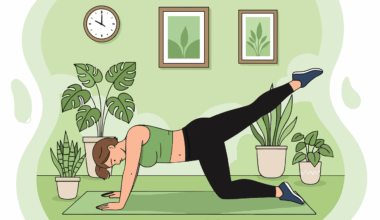
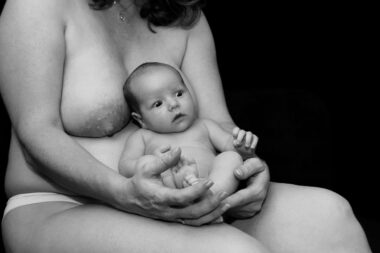
Postpartum fitness is an essential aspect of recovery for new mothers, providing them with the strength to manage the physical demands of motherhood. Participating in group classes offers numerous benefits, including motivation, support, and camaraderie among other mothers. These classes often focus on gentle, restorative exercises designed to help new mothers ease back into workouts. Instructors usually adapt their routines to accommodate different skill levels, enabling all participants to feel included and engaged. Furthermore, such environments foster a sense of community, which can significantly influence mental health and overall well-being. Regular exercise can also help mitigate postpartum depression and anxiety, making these classes a vital resource. New mothers can share their experiences, ask questions, and receive encouragement while getting fit. To get started, mothers can explore local studios that offer postpartum-specific classes, ensuring they find the right fit for their needs. Additionally, it can be helpful to consult with a healthcare provider before starting any new fitness regimen to ensure safety and effectiveness. Group classes can be instrumental in facilitating a smooth transition back to physical activity after childbirth.
Building a Supportive Community
Having a supportive community is essential for new mothers, as they navigate the challenges of postpartum recovery. Group classes not only offer fitness but also serve as a support network. Sharing experiences, challenges, and triumphs with others facing similar situations creates a strong bond among participants. Instructors typically encourage openness and communication, allowing mothers to speak freely about their feelings regarding postpartum life. This sense of community can significantly improve motivation, as mothers cheer each other on during workouts. Some classes may also incorporate discussions or workshops on postpartum topics, such as nutrition and mental health, further enhancing the supportive environment. New mothers can connect through different channels, including social media groups or dedicated apps, ensuring they continue to share their journey beyond the fitness studio. With these additional networks, new mothers can stay connected, discuss goals, and share successes even when they can’t attend classes. Ultimately, a robust support system can lead to improved outcomes in both physical health and mental resilience during the postpartum phase, emphasizing the importance of group fitness classes.
Group workouts can be tailored to meet the unique needs of individuals, acknowledging the diversity of experiences among new mothers. Every postpartum journey is different, so classes that allow for individualized programming stand out. This personalized approach enables mothers to choose workouts that resonate most with their current physical and emotional state. Instructors usually assess each participant’s fitness level and listen to their goals, ensuring that the exercises are suitable and beneficial. Modifications can be made for those recovering from surgery or experiencing issues such as diastasis recti or pelvic floor dysfunction. By creating adaptable workouts, group classes can accommodate various stages of recovery while keeping participants engaged. The ability to receive personalized attention within a group setting makes it easier for new mothers to stay committed. Additionally, engaging with fellow participants can motivate individuals to push through challenges and celebrate accomplishments together. Progress may manifest in various forms, from improved strength to increased energy levels. Celebrating these achievements, no matter how small, fosters an encouraging environment for increased participation and success.
Expert Guidance and Techniques
Qualified instructors play a crucial role in postpartum fitness groups, providing expert guidance and addressing specialized concerns. Many of these instructors possess unique training related to maternity fitness, ensuring the classes benefit all participants. They can offer invaluable tips on safe exercise regimens, managing expectations, and transitioning back to activity. Instructors often emphasize the importance of listening to one’s body during workouts, particularly in the postpartum phase. This knowledge helps mothers distinguish between normal fatigue and potential injury. A focus on core strength, stability, and functional movements is common, as many new mothers benefit from strengthening their stabilizing muscles. Classes often include stretches, low-impact cardio workouts, and strength training, adapting them as needed for individual circumstances. By prioritizing safety while encouraging progression, instructors support mothers through their fitness journey. It is essential for participants to communicate openly with instructors about any concerns, as this enhances their experience. Moreover, instructors can also emphasize the importance of self-care and recovery time, reminding mothers that fitness is a long-term journey rather than a race.
Motivation in group classes derives from the combination of shared experiences and the energy of collective effort. Engaging with fellow mothers can create a lively atmosphere that enhances the overall experience. The camaraderie found within these classes encourages participation, enhances enjoyment, and fosters long-lasting friendships. Additionally, the positive impact of group workouts extends to accountability; new mothers can hold each other responsible for attending classes regularly and staying on track with their fitness goals. This accountability can make a significant difference in maintaining motivation, especially during those challenging postpartum days. Some classes incorporate friendly competitions or challenges, adding an exciting element that can push mothers to strive for their best. Commending each other for improvements can be motivational and encourage further commitment. Social connections formed through fitness can make embarking on challenging workouts feel more enjoyable and less daunting. It is vital to remember that different mothers may excel at different paces and that the focus should be on personal growth rather than comparisons. Celebrating individual journeys helps cultivate an inclusive, supportive community.
Flexibility in Scheduling and Options
Flexibility is a critical factor for new mothers when considering group fitness options. With the busy schedule of parenting, many mothers seek classes that offer convenient timings and various formats. Some studios provide both in-person and online options, allowing mothers to choose the best fit for their lifestyle. This hybrid approach ensures mothers can participate even when childcare arrangements are challenging. Online classes often allow for increased flexibility, and recording sessions can permit attendance at convenient times. Additionally, finding short yet effective workouts can make it easier for busy mothers to stay committed to their fitness journey. Group classes that require minimal equipment are ideal, as they can often be performed at home, further adapting to individual needs. An understanding of different participation levels, whether through virtual or in-person classes, ensures the experience remains inclusive for all. This flexibility is essential in promoting long-term adherence to fitness regimens, reinforcing the idea that mothers can prioritize their health while still enjoying motherhood. The ability to choose when and how to engage means mothers are more likely to stick with fitness goals.
Ultimately, postpartum fitness groups serve as an invaluable resource for new mothers seeking to reclaim their physical strength after childbirth. By adapting workouts to individual needs, offering emotional support, and fostering community connections, these classes have far-reaching benefits. The holistic approach empowers mothers to focus on their health while also nurturing bonds with other women facing similar challenges. Engaging in fitness not only helps mitigate physical changes from pregnancy but also promotes emotional well-being, stability, and resilience. Cultivating healthier lifestyles sets the foundation for future endeavors, both personally and as a family. The skills and habits built in these group settings can significantly influence a mother’s approach to health long after the postpartum period. By embracing the camaraderie of group workouts, new mothers can also develop a lifelong appreciation for physical activity, equipping them with the tools to stay active for years to come. Therefore, mothers are encouraged to explore local resources, connect with like-minded individuals, and partake in group classes that prioritize their unique journeys in postpartum recovery. In doing so, they can foster an uplifting environment where physical fitness and mental health thrive.
Postpartum fitness is essential for new mothers, helping them regain strength and well-being. Group classes offer motivation, support, and community, allowing mothers to share experiences while exercising. These classes typically focus on gentle workouts that accommodate different fitness levels. Trained instructors tailor routines to meet individual needs, ensuring everyone feels included. The supportive environment helps decrease feelings of isolation, common after childbirth. Regular participation is crucial, as it can positively impact both physical and mental health. New moms can benefit greatly by both engaging in purposeful activity and forming lasting friendships. Additionally, postpartum fitness classes often address specific challenges mothers encounter, modifying workouts based on their unique experiences. Participants can relate to one another, discussing the ups and downs of new motherhood. Promoting open communication fosters a sense of belonging, leading to increased motivation. Women’s health specialists often guide instructors, resulting in safe and effective practices. New mothers are encouraged to explore fitness classes in their areas, which can be a great way to prioritize personal health while caring for their babies. Ultimately, prioritizing postpartum fitness is vital for recovery and well-being.