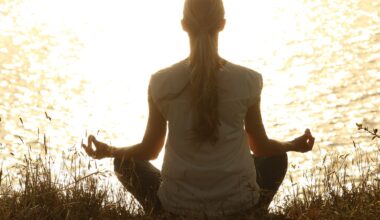

Combining Yoga and Outdoor Cardiovascular Training
Outdoor cardiovascular training is a fantastic way to engage in physical activity while enjoying the beauty of nature. By combining yoga with outdoor cardio challenges, enthusiasts can maximize their workout results. Yoga not only complements cardiovascular training but also enhances flexibility and mental focus. This blend allows for a more well-rounded fitness routine that benefits both body and mind. Engaging in outdoor activities like running, cycling, or hiking provides excellent cardiovascular conditioning, while yoga incorporates stretching and mindfulness. When practicing yoga outdoors, individuals can reap benefits from fresh air and a relaxing environment. Some ideal locations for outdoor cardio include parks, trails, and beaches. Incorporating various outdoor exercises with yoga sessions helps prevent boredom and encourages people to stay committed to their fitness goals. Participants can experience the invigorating freshness of the air, making workouts more enjoyable. Additionally, outdoor cardio challenges can push individuals to achieve new personal bests, fostering a sense of accomplishment. This process creates a unique harmony between vigorous exercise and meditative practices. Users can explore the beauty of their surroundings while striving for better health and well-being.
The benefits of combining yoga with outdoor cardiovascular training extend beyond physical fitness. One significant aspect is the improved mental clarity and emotional well-being that arises from this practice. Being in nature has a therapeutic effect, alleviating stress and enhancing mood. Not only does yoga promote relaxation, but it also encourages mindfulness, allowing individuals to focus on their bodies, breath, and the present moment. This dual approach helps in cultivating a greater awareness of physical sensations during cardio workouts, leading to improved performance. Participants may find themselves more in tune with their bodies, which helps in preventing injuries. Furthermore, the sense of community can grow among those taking part in group sessions. Meeting like-minded fitness enthusiasts outdoors can lead to friendships and support networks, enhancing motivation. This aspect is crucial in maintaining consistency in fitness routines. Conclusively, the combination fosters an environment that empowers individuals to challenge themselves physically while nurturing their emotional health. It provides opportunities for personal growth, exploration, and self-discovery. The engagement with nature creates memorable experiences that invigorate the soul, making fitness journeys enjoyable and fulfilling.
Creating a Balanced Routine
To optimize the effects of integrating yoga into outdoor cardio sessions, individuals should establish a balanced fitness routine. To do this effectively, participants can devise a schedule that alternates cardio and yoga throughout the week. This approach ensures that both cardiovascular endurance and flexibility receive equal attention. Typically, outdoor cardio sessions can range from running, cycling, swimming, or hiking. Each activity serves a different purpose and targets various muscle groups. After completing a cardio session, dedicating time to yoga allows muscles to recover and elongate. Additionally, individuals can join local fitness groups or classes for outdoor activities while incorporating yoga into their practice. This encourages social interaction and motivation among peers while keeping the routine engaging. Seasonal factors can also affect choices; for instance, hiking may be preferred during the summer months, while indoor yoga could be beneficial during colder seasons. The emphasis should be placed on listening to one’s body to recognize when it needs rest. This combination allows participants to build stamina while cultivating mindfulness through restorative yoga sessions. An adaptable and varied schedule fosters a holistic approach to personal wellness.
Health is a complex interplay of physical and mental components, and combining yoga with outdoor cardio helps reinforce that balance. Engaging in exercises designed to strengthen the cardiovascular system is critical, as it increases heart health and increases endurance. However, the benefits of yoga cannot be understated, especially in improving flexibility and reducing the risk of injuries. Practicing poses like downward dog and warrior can stretch and strengthen key muscles used during cardio activities. Moreover, incorporating focused breathing techniques from yoga into cardiovascular routines helps optimize performance; individuals can learn how to control their breath during high-intensity activities. This practice can be invaluable during challenging outdoor cardio sessions. Participants can enhance their stamina and ability to recover. The results contribute to an overall improvement in athletic performance. It is essential to remember that proper hydration and nutrition play vital roles in this balanced approach. Incorporating healthy snacks, like fruits and nuts, provides necessary energy boosts during activities. Making time for rest and recovery, including yoga and stretching sessions after cardiovascular workouts, prepares individuals for future challenges and ensures fitness progress is sustainable over time.
Exploring Different Outdoor Activities
When considering outdoor cardio challenges, a vast range of activities is available. Exploring options can keep fitness routines exciting and engaging. Activities such as trail running, which allows participants to enjoy nature’s scenery while getting a solid cardio workout, can be highly rewarding. Biking is another excellent alternative, combining the benefits of cardiovascular training with the thrill of navigating new terrain. Alternatively, kayaking can offer a unique upper-body workout while enjoying lakes or rivers. Each activity can be followed by a yoga session focusing on flexibility and relaxation. This helps in relieving any stress incurred during rigorous exercise. Learning the fundamentals of outdoor skills is essential for safety and enjoyment. It’s also crucial to warm up properly before commencing any vigorous activity. By experimenting with various outdoor cardio forms, individuals find what best suits their interests, abilities, and fitness goals. Group outdoor classes combining cardio with yoga has become increasingly popular, facilitating social interaction while promoting a motivating atmosphere. Trying different activities can help individuals discover new passions. With consistent exploration, participants can also form a comprehensive routine incorporating various modalities for overall fitness enhancement.
When integrating yoga with outdoor cardiovascular training, it is also essential to consider environmental factors to maximize each session’s effectiveness. Temperature, humidity, and air quality can influence workout experiences. Engaging in outdoor cardio during cooler parts of the day, such as early mornings or late afternoons, can significantly enhance performance. It’s important for participants to wear suitable clothing that maintains comfort while exercising. Breathable fabrics ensure that individuals can regulate their body temperature effectively, improving workout efficiency. Adapting to changing weather conditions is necessary for planning outdoor sessions. Furthermore, engaging with nature can fuel motivation; taking workouts to aesthetically pleasing locations enhances the experience. Observing natural beauty promotes a feeling of serenity, reducing cardiovascular strain. Nature has a way of inspiring growth and resilience, making fitness routines rewarding. Choosing scenic spots for cardio challenges drives motivation and provides a sense of accomplishment. As participants witness their surroundings change with the seasons, they become more connected to the environment. This connection deepens the appreciation for outdoor activities while keeping workouts consistent and enjoyable.
Setting Personal Goals
Setting personal fitness goals is vital for maintaining motivation in the pursuit of integrating yoga and outdoor cardiovascular training. Goals can help individuals measure progress and celebrate achievements, fostering a sense of accomplishment. It is crucial for participants to create realistic goals tailored to their interests and abilities. Choosing specific metrics to track, such as duration, distance, or frequency, provides significant insights into personal growth. When engaging in cardiovascular outdoor challenges, participants can set benchmarks that motivate them to push beyond their limits, encouraging steady improvement over time. Likewise, incorporating yoga goals could involve mastering specific poses or maintaining a consistent practice. Both forms of exercise demand persistence and dedication, enhancing the overall user experience. Individuals are likely to feel encouraged by achieving these small milestones while working toward larger goals. Sharing these goals with friends or fitness groups adds a layer of accountability and encouragement, further promoting compliance. Regularly reassessing objectives ensures they remain challenging and relevant. Ultimately, cultivating a goal-oriented mindset enriches the experience of intertwining yoga and outdoor cardio activities, making each session purposeful and driven by personal growth.
Additionally, creating a journal to document progress can be beneficial in tracking personal achievements. This practice can bring awareness to the journey undertaken in combining yoga and outdoor cardiovascular training. Logging workouts, duration, and sensations experienced during exercises is a helpful tool for accountability and motivation. Regularly revisiting this log serves as a reminder of how far someone has come, allowing for reflection on growth and learning experiences. Journals can also serve as a space for expressing thoughts and feelings regarding fitness progress, which can be incredibly empowering. Using visuals, such as photographs from outdoor sessions or documenting milestones achieved, can enhance memory retention and inspire continued dedication. Along with documenting workouts, it can be useful to incorporate reflections on emotional changes experienced throughout this fitness journey. Creating visual goals or affirmations can further enhance motivation and keep individuals focused on their objectives. Ultimately, committing to follow a journey through journaling makes the practice holistic and rewarding. In that way, students can recognize the progress made regularly while appreciating the blend of both yoga and outdoor cardiovascular training.