
Tracking Cardiovascular Health Metrics to Measure Fitness Progress
Monitoring cardiovascular health is vital for assessing fitness progress effectively. Tracking various metrics can provide an insightful understanding of your heart’s condition. Key metrics include resting heart rate, workouts per week, and VO2 max levels. By regularly measuring these attributes, you can adjust your fitness regime accordingly. Utilizing technology like heart rate monitors or fitness applications can simplify this tracking process. Resting heart rate is particularly significant as it signifies the efficiency of your heart. A lower resting heart rate often indicates better cardiovascular fitness. Furthermore, logging your weekly workout duration helps gauge activity levels, ensuring you meet the recommended guidelines. Increasing your exercise frequency can raise stamina significantly. VO2 max, another essential measurement, reflects your maximum oxygen consumption during intense exercise. Knowing your VO2 max can help tailor your training for enhanced endurance. Regularly updating these metrics provides a comprehensive view of cardiovascular improvements or declines. Achieving a balanced routine over time ensures you maximize your efforts for optimal heart health and overall well-being. Consistency over time is key in any fitness program.
Setting goals related to these cardiovascular metrics is crucial for motivation. Establish SMART goals which are Specific, Measurable, Achievable, Relevant, and Time-bound. An example could be aiming to lower your resting heart rate by a certain number of beats within three months. Such targeted goals can influence daily decisions like exercise selections or dietary modifications. When tracking your progress, consider incorporating rewards to reinforce positive behaviors. Monitoring progress visually through graphs or charts can maintain motivation levels. Applications that provide feedback can facilitate this process, helping adjust your strategies based on achievements or setbacks. Regular assessments will enable you to review changes in your metrics over time, serving as motivational checkpoints. Optimize your workouts by focusing on heart rate zones during exercises, ensuring you maximize cardiovascular benefits. Engaging in various activities ensures a balanced approach to fitness. Variety aids in preventing burnout while promoting long-term commitment. Additionally, incorporating rest days is essential; these sessions allow your body to recover and adapt. Engaging in structured routines promotes disciplined training, leading to sustained improvements in fitness levels over time.
Tools for Tracking Progress
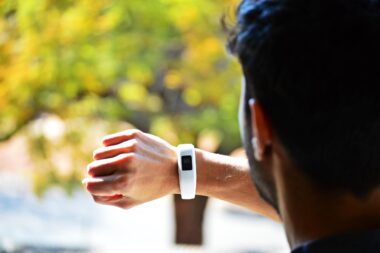
To enhance your tracking efforts, numerous tools and technologies are available that can simplify the process. For instance, heart rate monitors are commonly used for real-time tracking during workouts. Wearable fitness trackers have gained popularity due to their convenience and comprehensive data collection capabilities. Most of these devices not only track heart rate but also steps, calories burned, and even sleep patterns. This multifaceted approach provides a more extensive view of how your cardiovascular health is impacted by daily activities. Moreover, several smartphone applications are designed for dedicated fitness tracking. Many apps allow users to input their metrics, maintain workout logs, and benchmark against set goals. Some applications feature community aspects, where users can connect or compete with friends, promoting accountability. Data insights generated from these tools can help you adjust your workouts effectively. With advancements in technology, the analysis of your cardiovascular fitness metrics becomes easier. By leveraging these resources, you can maximize results and streamline fitness routines for improved overall health. Continuous engagement with these tools fosters sustained interest in maintaining physical activity and heart health.
Moreover, establishing a routine for periodic assessments enhances accountability for tracking cardiovascular health. Setting a specific day each week or month for progress checks allows for structured monitoring of your metrics. Using charts or graphs can highlight improvements and point out areas requiring further focus. This visual representation of your progress often boosts motivation while making the tracking process enjoyable. Engaging in fitness challenges with friends or family can also foster a supportive environment that encourages consistent monitoring. Sharing progress made and experiences can strengthen commitment as well. Assessing how various lifestyle factors affect your cardiovascular metrics can provide valuable insights. Nutrition, hydration, and sleep quality significantly influence heart health; therefore, they should be part of your tracking process as well. Recording dietary habits can easily create a comprehensive overview of your health. Understanding how different foods and activities impact your metrics will allow for conscious choices in the long-run. Adapting your routine as you see progress can further enhance results, fostering a sense of achievement. Each step taken toward your fitness goals is integral to maintaining cardiovascular health over time.
The Importance of Lifestyle Changes
Adopting lifestyle changes is essential for optimizing cardiovascular metrics. Transitioning to a healthier diet can significantly improve heart health and fitness levels. Including nutrient-dense foods rich in essential vitamins and minerals supports overall body functions. Additionally, reducing processed foods and high-sugar products contributes positively to cardiovascular health. Regular physical activity plays another critical aspect of enhancing metrics tracking. Aiming for at least 150 minutes of moderate-intensity activity weekly is generally recommended. Exploring various options, including swimming, jogging, or biking, makes it easier to adhere to this guideline. Addressing mental health factors is also crucial, as stress and anxiety can negatively affect cardiovascular metrics. Practices such as yoga or meditation can substantially reduce stress levels. Monitoring daily habits and making necessary adjustments fosters a holistic approach to your cardiovascular fitness. Engaging with professionals, such as personal trainers or nutritionists, can provide valuable guidance on effective changes. Continuous education and reassurance through credible sources embolden individuals to adopt healthier lifestyles. Together, these efforts enhance the likelihood of attaining and sustaining positive cardiovascular metrics – benefitting overall health.
Staying informed about effective tracking strategies is vital for long-term success in cardiovascular fitness. Following the latest research can offer novel insights and approaches to tracking metrics. Seeking information on advancements in fitness technology often leads to discovering tools that better fit individual needs. Engaging in communities or forums can also empower you through shared experiences. Many individuals find support and encouragement from like-minded peers, enhancing adherence to tracking programs. Finding a mentor or joining group classes further solidifies the commitment to achieving cardiovascular goals. Additionally, seeking professional advice for managing chronic health conditions will provide tailored tracking methods suited to specific needs. Continuous learning fosters resilience and adaptability in changing your approach when necessary. Recognizing that setbacks may occur is essential; maintaining a positive mindset is crucial during challenging periods. Embracing these challenges as opportunities for growth encourages perseverance. Furthermore, tracking overall well-being complements cardiovascular metrics, as fitness encompasses more than just physical indicators. Balancing physical, mental, and emotional well-being ensures comprehensive progress in health journeys. Ultimately, the journey towards improved cardiovascular metrics leads to enhanced quality of life and sustained motivation.
Final Thoughts on Progress Tracking
In conclusion, monitoring cardiovascular health metrics is fundamental to assessing fitness progress. By tracking various metrics such as resting heart rate, workouts, and VO2 max, individuals can tailor their fitness regimes accordingly. Setting SMART goals ensures motivation remains high while tracking progress. Utilizing contemporary tools and technology streamlines the process, allowing for effortless monitoring of fitness levels. Consistently assessing habits, engaging in community support, and adapting routines fosters long-term commitment to cardiovascular health. Embracing lifestyle changes plays a significant role in enhancing metrics. Recognizing the interconnectedness of nutrition, exercise, and mental well-being can provide a holistic approach to tracking progress. Continuous engagement with resources, such as training programs and professional advice, enables ongoing improvement. Finally, nurturing a positive mindset during challenges fosters resilience on this fitness journey. Achieving and maintaining optimal cardiovascular health requires a combination of effective tracking, goal setting, and lifestyle changes. Each effort contributes to overall wellness and quality of life. As you embark on this journey, remember that consistency and commitment lead to achieving your fitness aspirations. Enhancing cardiovascular metrics is achievable with dedication and an informed approach.
Overall, tracking cardiovascular health metrics is a vital element in ensuring personal fitness progress. It not only helps in understanding one’s heart health but also guides adjustments in training regimens for sustained improvement. The integration of technology into daily monitoring facilitates this process, making it more accessible and engaging. By establishing clear goals and continuously motivating oneself through visual representations of progress, individuals can foster a deeper connection with their fitness journey. As such, tracking cardiovascular metrics speaks volumes about dedication to overall health and behavior modification. Engaging with supportive communities ensures that individuals remain accountable and inspired to make necessary changes. Thus, creating a significant impact on motivation levels while confronting the daily challenges of fitness routines. In doing so, individuals are empowered to experience the transformative effects of consistent efforts over time. This commitment ultimately promotes cardiovascular health that can lead to a life marked by vitality and wellness. Sustaining improvements in these health metrics contributes to greater life quality and longevity, emphasizing the importance of regular tracking. Properly integrating cardiovascular health assessments into daily routines is essential to foster an engaged and informed approach.