
Developing Strength and Endurance Through Adaptive Fitness
Adaptive fitness is an essential approach to physical activities tailored for individuals with disabilities or diverse needs. It encompasses various adaptive exercises that allow individuals to build strength and endurance. This field emphasizes empowerment through fitness, enabling participants to exceed typical expectations and enhance their overall quality of life. As experts in adaptive fitness understand, fitness should not be a privilege but a right for everyone, regardless of their physical capabilities. Specialized trainers often develop customized workout programs based on the individual’s strengths and weaknesses. Emphasizing adaptive techniques ensures that clients can participate meaningfully while minimizing the risk of injury. The importance of engaging in regular fitness activities cannot be overstated, as it leads to better physical health and vital emotional well-being. Sessions often include strength training and cardiovascular exercises, enhancing endurance and muscular strength. Moreover, engaging with like-minded individuals fosters a supportive community, encouraging consistent participation. Overall, adaptive fitness is not just about physical improvement but also focusing on emotional resilience and social inclusion. When individuals feel supported and empowered, they can achieve remarkable strength and endurance outcomes.
The Benefits of Adaptive Fitness
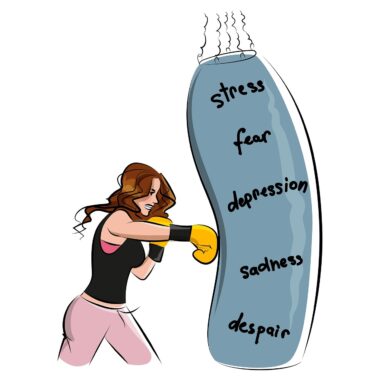
Participating in adaptive fitness programs offers numerous benefits to individuals with disabilities. Enhanced strength and endurance lead to improved physical health, which is pivotal for maintaining independence. Regular exercise helps manage weight, promotes better cardiovascular health, and enhances mobility, crucial elements for those with physical challenges. Furthermore, adaptive fitness improves functional abilities, empowering individuals to perform daily activities more easily and confidently. Beyond the physical gains, mental health is significantly impacted by these programs. Engaging in fitness activities boosts mood and self-esteem, providing participants with a sense of accomplishment and improved self-worth. Social bonds form as individuals train together, creating a sense of community and support. The encouragement offered by trainers and peers often translates to greater motivation for consistency. For some, the routine of exercising becomes a welcome structure in their day. In addition, adaptive fitness provides an outlet for stress relief, helping to reduce anxiety and depression often associated with living with disabilities. This holistic approach to fitness nurtures both body and mind, emphasizing the importance of integrating physical activity into every individual’s life, fostering a healthier, happier existence.
One of the core elements of adaptive fitness is strength training. This aspect is crucial for building muscle and enhancing endurance. Resistance training can be adapted to suit individual ability levels, ensuring safety while maximizing effectiveness. Individuals may utilize various equipment like resistance bands, free weights, or weight machines tailored to their unique needs. Customizable exercise regimens also cater to varying disabilities, with modifications available to ensure inclusivity. Notably, strength training can yield impressive results over time when combined with endurance activities such as cycling or swimming. These combined efforts enable enhanced cardiovascular health, making everyday tasks less daunting. Furthermore, adaptive fitness programs often incorporate balance and flexibility exercises, critical for enhancing overall mobility. Improving balance reduces the risk of falls, a significant concern for many individuals engaging in physical activities. Trainers typically assess clients’ abilities to create a comprehensive fitness plan addressing their specific challenges. This assessment process ensures each participant can progress effectively and safely. The journey of improvement unfolds, showcasing the transformative power of adaptive fitness in building resilience and strength essential for daily life.
Nutrition plays a vital role in the success of any fitness program, particularly within adaptive fitness. A balanced diet rich in nutrients supports an individual’s physical goals and complements the fitness routine. Incorporating various food groups ensures participants receive adequate protein, carbohydrates, and healthy fats, all essential for muscle growth and endurance. Participants often work with nutritionists to develop a tailored meal plan, reflecting their personalized exercise regimen. Staying hydrated is equally crucial, especially for those engaging in rigorous activities. Water consumption helps maintain energy levels and optimize performance during workouts. Alongside nutrition, the importance of proper recovery techniques cannot be overlooked. Allowing muscles adequate time to heal is essential for fostering strength gains and preventing injuries. Adaptive fitness regimens often include rest days and low-impact exercises to enhance recovery. Awareness of these nutrition and recovery underpinning strategies significantly influences success rates in adaptive fitness programs. By emphasizing proper nutrition and recovery, participants can achieve long-term health and fitness goals. Through a well-rounded approach intertwining nutrition, exercise, and recovery, individuals can experience transformative changes leading to enhanced strength and endurance.
Collective Efforts in Adaptive Fitness
The advancement of adaptive fitness has emerged largely due to collective efforts among professionals in the field. Expertise from trainers, physical therapists, and researchers have contributed to developing effective programs addressing the specific needs of individuals with disabilities. Additionally, collaboration with fitness organizations fosters innovative techniques and equipment designs, enhancing accessibility. Access to specially designed facilities and equipment significantly influences participation rates. Advocacy groups also play a crucial role in promoting adaptive fitness initiatives within the community. Creating awareness around the importance of these programs ensures that inclusive fitness becomes a priority. Furthermore, funding for adaptive fitness programs helps provide resources enabling individuals to engage in these practices. Grants and sponsorships often support specific initiatives fostering community engagement and outreach. Collaborative workshops bring professionals together, enabling them to share best practices and innovative ideas. Online platforms also serve as valuable resources by providing information and networks to connect trainers with individuals seeking adaptive fitness solutions. Overall, continuous collective efforts are integral to fostering a vibrant adaptive fitness community, increasing opportunities for individuals of all abilities to thrive in their fitness journey.
Adaptive fitness programs also highlight the importance of tailored training techniques. Individualized coaching ensures that unique physical challenges are addressed within each session, maximizing effectiveness. Trainers focus on the individual strengths of participants, using those to cultivate a more enjoyable experience. The motivation generated through customized programs creates an environment where participants can strive for and reach their goals. Each individual’s journey is unique, thus the need for adaptable instruction becomes apparent during training sessions. Innovations in fitness technology have also enhanced personalized approaches through specialized apps and wearable devices. These technologies help track progress and hold individuals accountable for their workouts. Furthermore, many adaptive programs allow participants to engage in virtual sessions, expanding access to adaptive coaching. By removing geographical barriers, individuals can connect with trainers specializing in adaptive techniques regardless of location. This expansion encourages a more extensive network of support for those with disabilities, fostering community and motivation. Over time, individuals experience significant improvements in physical capabilities, ultimately leading to increased independence and confidence in their abilities, thanks to personalized training and support.
In the evolving landscape of adaptive fitness, success stories play a vital role in inspiring others with disabilities. Hearing about individuals who have overcome challenges through fitness motivates more people to embark on their fitness journeys. These narratives showcase the human spirit and resilience found in the adaptive fitness community. Social media platforms serve as a powerful tool for sharing transformative experiences, uplifting individuals and encouraging community participation. Engaging with real-life stories fosters connection and reduces the stigma associated with disabilities in fitness. Furthermore, organized events, such as adaptive fitness competitions or charity runs, celebrate participants’ remarkable achievements and promote inclusion on a larger scale. These events not only raise funds but also increase awareness about the capabilities of disabled individuals. The sense of accomplishment gained by participating empowers individuals, fostering a commitment to ongoing fitness pursuits. To share and support collective success, creating platforms where participants can connect heightens camaraderie within the community. Ultimately, these success stories become a testament to the power of adaptive fitness in transforming lives. They ignite a deeper commitment to health and well-being while encouraging others to explore their physical potential through adaptive techniques.