
The Science Behind Adaptive Fitness in Neurorehabilitation
Adaptive fitness is a crucial aspect of neurorehabilitation, aiming to enhance physical health and well-being for individuals with disabilities. It combines traditional rehabilitation techniques with tailored fitness programs that suit each person’s unique needs. These programs focus on improving strength, endurance, and overall mobility. Physical and occupational therapies often use adaptive fitness to stimulate neuroplasticity, which is the brain’s ability to reorganize itself by forming new neural connections. In practice, adaptive fitness includes activities that can be modified according to the skill level and preferences of participants. Adaptive tools and equipment, such as specialized exercise machines and supportive devices, empower individuals to engage in physical activity safely. Staff training in recognizing and addressing varying disabilities is essential for effective adaptation to each participant’s requirements. By customizing exercises, patients can achieve realistic goals that aid recovery and enhance quality of life. The integration of adaptive fitness into rehabilitation programs not only fosters physical improvements but also builds confidence and self-esteem, offering a holistic approach to rehabilitation.
Neurorehabilitation is significantly influenced by an understanding of biomechanics and physiology. The science behind this process reveals how specific exercises can trigger beneficial responses in the nervous system. By analyzing movement patterns, practitioners can identify weaknesses and focus on improving them through targeted training. Research shows that engaging in structured physical activity promotes healing through various mechanisms. These mechanisms include reduced spasticity, improved range of motion, and increased strength. Additionally, regular exercise can prevent cardiovascular diseases, a common concern for those with disabilities. Incorporating strength training into adaptive fitness programs plays a critical role in restoring motor functions. Progressive resistance training can enhance muscle strength, even in severely affected individuals. By employing adaptive strategies such as seated exercises or resistance bands, a supportive environment is created. This helps participants safely engage in workouts and remain motivated throughout their rehabilitation journey. Ultimately, a strong focus on biomechanics helps to optimize rehabilitation outcomes and offers significant improvement in participants’ functional abilities.
Benefits of Adaptive Fitness
Engaging in adaptive fitness can lead to numerous benefits for individuals in neurorehabilitation. First, it promotes physical health and fitness, which is particularly vital for those with limited mobility or chronic conditions. Improved muscle strength, endurance, and flexibility enhance overall physical capabilities. Further, adaptive fitness plays a key role in addressing psychological aspects of rehabilitation. Individuals often experience depression and anxiety, and the sense of accomplishment from completing workouts can significantly boost mental health. Group fitness programs foster social connections, reducing feelings of isolation and enhancing motivation. Research has demonstrated that social interaction during workouts creates a supportive community, leading to improved adherence to rehabilitation regimens. Adaptive fitness also encourages patients to regain independence, enabling them to participate more actively in their daily lives. Another significant advantage is the reduction of secondary complications associated with inactivity. Improved fitness levels contribute to enhanced cardiovascular health while decreasing the risk of developing conditions such as obesity and diabetes. Therefore, incorporating adaptive fitness into neurorehabilitation can positively influence multiple aspects of a person’s life and overall wellness.
Furthermore, the implementation of technology in adaptive fitness programs has revolutionized neurorehabilitation. Innovative tools such as virtual reality (VR) and wearable devices are now being integrated into rehabilitation practices. These technologies allow for personalized workouts and enhanced engagement during sessions. VR can create immersive environments that simulate real-life scenarios, helping patients practice movements relevant to their daily activities. This not only aids in muscle memory retention but also improves functional outcomes. Wearable devices, on the other hand, track progress and provide real-time feedback. This information is crucial for therapists and patients to adjust training protocols accordingly, ensuring optimum results. Moreover, data collected through wearables can help researchers assess the efficacy of different exercise regimens, creating a continuous feedback loop for evidence-based practice. By combining adaptive fitness with advanced technology, practitioners enable a more tailored and effective rehabilitation experience. The synergy of fitness, technology, and individualized care can lead to revolutionary changes in how individuals with disabilities approach their rehabilitation and fitness journey.
The Role of Nutrition in Adaptive Fitness
Nutrition is an essential component of any adaptive fitness regimen, especially in neurorehabilitation. A well-balanced diet can greatly enhance the effectiveness of physical training by promoting recovery and sustaining energy levels. Adequate nutrition aids in muscle repair and growth, which is crucial for individuals engaging in resistance training and aerobic exercises. Importantly, certain nutrients have been identified to support brain health and enhance cognitive function. For instance, omega-3 fatty acids found in fish can improve neuronal communication, which plays a vital role in rehabilitation. Additionally, proper hydration is equally essential for maintaining optimal physical performance. Individuals with disabilities may have unique dietary needs, leading to specific challenges that must be addressed. Collaborating with registered dietitians can help create personalized nutrition plans tailored to each individual’s condition and goals. Implementing nutritional strategies alongside adaptive fitness can accelerate healing and improve quality of life. Moreover, educating patients about the importance of nutrition empowers them to make better choices, promoting independence and self-care practices.
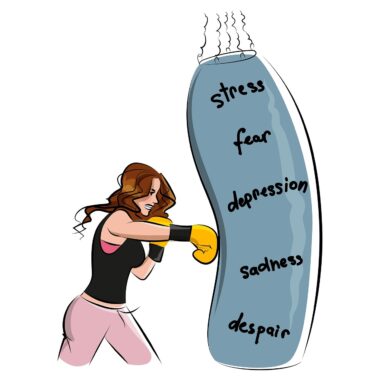
Adaptive fitness, when combined with psychosocial support, forms a comprehensive approach to neurorehabilitation. Support from family, friends, and peers can enhance the rehabilitation experience and contribute to better adherence to fitness programs. This support system empowers individuals to face challenges associated with their disabilities. Psychological interventions, such as mindfulness and cognitive-behavioral techniques, can also play a vital role in fostering resilience during the rehabilitation journey. Stress management techniques, such as meditation and relaxation exercises, help to improve focus and motivation. Creating a well-rounded rehabilitation program that emphasizes the connection between physical activity and mental well-being can lead to optimal outcomes. Additionally, motivational interviewing can help patients explore their goals and values, guiding them toward embracing adaptive fitness as an integral part of their lives. By offering emotional and psychological support, rehabilitation professionals can create a safe environment that encourages self-exploration and personal growth. Ultimately, integrating psychosocial components into adaptive fitness fosters not only physical recovery but also long-term engagement in healthy lifestyle choices.
Future Directions in Adaptive Fitness
Looking ahead, the field of adaptive fitness in neurorehabilitation is poised for exciting advancements. Research is continually uncovering new methods to enhance rehabilitation strategies. Growing interest in personalized medicine and interdisciplinary approaches offers unique opportunities for optimizing fitness interventions. This evolution involves collaborating with experts from various fields, such as rehabilitation sciences, psychology, and physical culture, to develop comprehensive programs tailored to individual needs. Innovations in equipment design, including adaptive fitness tools, help to cater to a wide range of disabilities. The focus on inclusivity in sports and activities encourages individuals to participate more actively in their communities. Moreover, the incorporation of telehealth allows patients to receive guidance from fitness professionals without needing to be physically present. This accessibility increases the chances of maintaining fitness goals. Additionally, advancements in artificial intelligence may lead to predictive models that personalize exercise prescriptions based on real-time data. These developments pave the way for a future where adaptive fitness becomes more mainstream in rehabilitation, enhancing the quality of life for individuals with disabilities.
In conclusion, the science behind adaptive fitness in neurorehabilitation is multifaceted, combining physical, psychological, and social elements to foster comprehensive recovery. By focusing on adaptive fitness techniques, patients can improve their physical and mental health while also receiving essential support from their communities. This approach empowers individuals with disabilities to regain independence, improve their quality of life, and strive towards their personal goals. Through ongoing research, innovative techniques, and personalized approaches, adaptive fitness has the potential to redefine rehabilitation practices. Building awareness about the importance of fitness programs in this context can drive progress for those affected by disabilities. Ultimately, the future of neurorehabilitation is bright, with adaptive fitness at the forefront of a holistic strategy for sustainable health and strength for individuals on their journey to recovery.