
Incorporating Box Breathing into Yoga Practice
Box breathing is a powerful technique designed to help control your breath and calm your mind. It is especially beneficial during yoga practice as it enhances relaxation and focus. This technique involves inhaling, holding, exhaling, and again holding your breath for equal counts of time. By doing this, you can create a steady rhythm that promotes mindfulness. The benefits of implementing box breathing in yoga include reduced stress, improved concentration, and a greater sense of tranquility. You can practice box breathing by first choosing a comfortable position, either sitting or lying down. During your practice, make sure to eliminate distractions, allowing yourself to be fully present. This technique can be particularly valuable in moments of anxiety, as engaging in structured breathing helps to regain control. You can begin with a count of four for each phase of the breath. As you become more comfortable with this method, you can gradually extend the count. Many yogis find that box breathing significantly enhances their overall practice, allowing for deeper postures and a more profound connection with their breath.
In addition to enhancing focus, box breathing serves as a useful tool for emotional regulation. When used effectively, it can help manage intense emotions during a yoga session. Stress and fear can disrupt your practice, making it challenging to maintain the flow between poses. That’s where box breathing comes in, allowing you to create a calm inner space. Practicing this technique gives you a sense of autonomy over your reactions to external situations. Whenever you feel overwhelmed, you can pause your practice and activate box breathing. By bringing awareness back to your breath, you immediately shift your mental state toward calmness and clarity. Additionally, incorporating box breathing into your routine can help to improve overall lung capacity. Over time, you may notice that your breathing becomes more profound and consistent. Yoga and box breathing complement each other wonderfully, creating a harmonious blend of physical technique and mental discipline. With consistent practice, you will find that it becomes second nature to employ this breathing technique in challenging situations, both on and off the mat. This can empower and enhance your overall well-being.
Steps to Practice Box Breathing
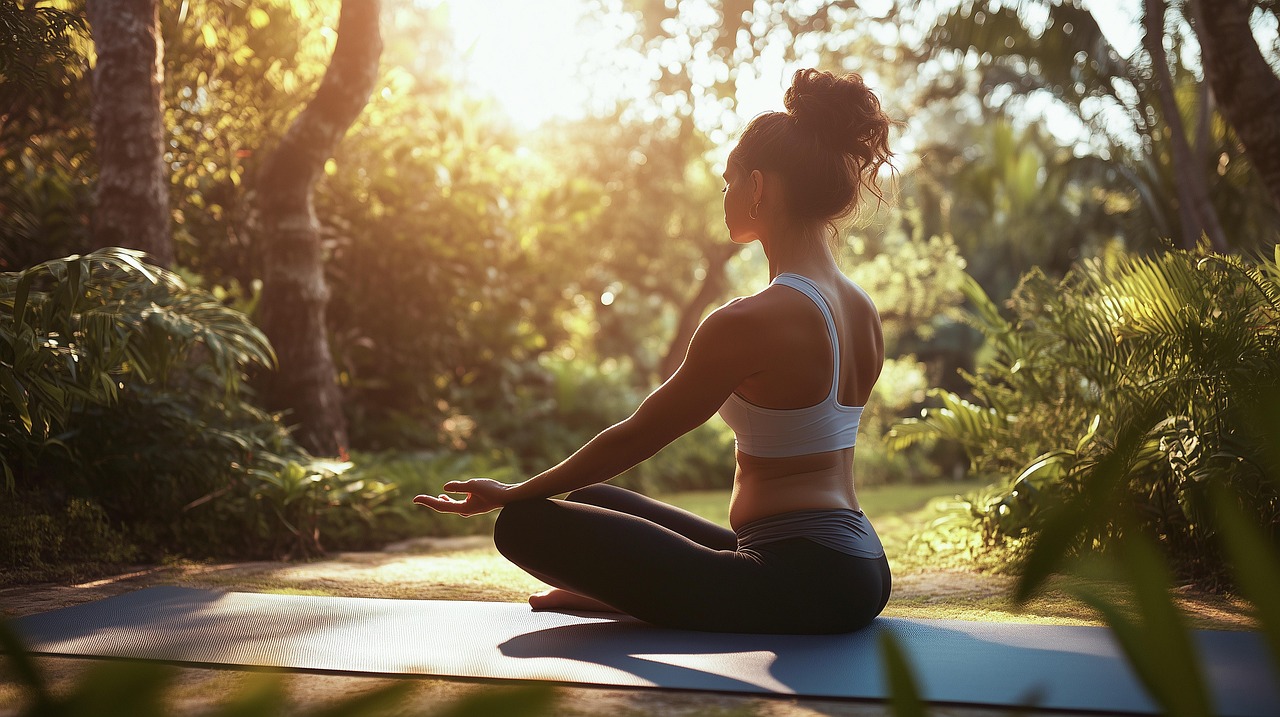
To incorporate box breathing into your yoga routine, start by selecting a quiet, peaceful space. This practice can begin during your warm-up or as a standalone session. First, sit in a comfortable position with your spine erect. Close your eyes gently and begin to take a few deep breaths naturally. Ground yourself in the present moment. Now, inhale deeply through your nose for a count of four. As you inhale, visualize fresh energy entering your body. At the top of your breath, hold for another count of four. Holding the breath helps to deepen the relaxation response. Next, exhale through your mouth for a count of four, letting go of any tension or distractions. Lastly, pause and hold your breath out for another count of four before cycling back to the inhale. Repeat this process for several minutes while maintaining a gentle focus on the rhythm of your breath. Keeping your focus on the box pattern allows for an immediate change in your mental state, reinforcing feelings of peace that are essential for your yoga practice.
The key is to remain mindful throughout the box breathing process. Visualization can enhance this experience; imagine each inhale bringing in positive energy while each exhale releases negativity. This connection between breath and visualization can profoundly affect your mental state and enhance your overall practice. Opt for a quiet mind by using box breathing any time you feel the need for grounding. This practice might also extend your yoga session or serve as an effective prep technique when you arrive at your mat. By integrating box breathing regularly, it transforms not only your yoga practice but also your daily life. Developing this rhythm can enhance your engagement during various yoga poses. With time, you will start to feel the calming effects more quickly, alleviating anxiety or distractions. In essence, box breathing creates a solid foundation for both mental and emotional stability. It provides not just a breathing technique but a pathway to serenity. Moreover, it allows for deeper insights into your practice, promoting personal growth and inner peace. Book your time on the mat with intention, making skills like box breathing integral to your yoga experience.
Benefits of Box Breathing in Yoga
Integrating box breathing into your yoga practice reaps numerous benefits. First, it helps regulate the nervous system, reducing stress levels significantly. This form of controlled breathing sends calming signals to the brain, effectively lowering cortisol levels. By incorporating this technique, you may find yourself spending less time feeling overwhelmed and more time enjoying the restorative effects of yoga. Second, box breathing promotes self-awareness, making you more attuned to your emotions and physical sensations. This heightened awareness transforms your practice into a deeper physical and psychological exploration. Third, it supports concentrating on body alignment and pose execution by eliminating distractions. Consequently, achieving deeper stretches and postures becomes easier. Practicing box breathing can also enhance meditation experiences before or after asanas, allowing further cultivation of mindfulness. Another benefit involves reducing physical tension in your body, as safe exhalation encourages the release of tight muscles. This connection between breath and body creates harmony within your practice. By confirming that body and mind are unified, you amplify not just the effectiveness of each pose but also the meditative aspects of yoga.
Moreover, engaging in box breathing can enhance your overall lung capacity, contributing to physical endurance. Over time, you may notice that your breath becomes slower yet more profound, positively influencing your physical constitution. Better lung capacity allows you to draw in more oxygen, fueling your body’s needs during physical exertion in yoga. The added oxygen promotes energy levels and mental clarity, serving as essential components for an invigorating practice. Additionally, box breathing can offer respite during more challenging sequences or transitions. If you encounter difficulty with a pose, practicing box breathing gives you time to come back to center and refocus. This reinforces resilience and determination, characteristic of an effective yoga practice. Consistency is key; adding box breathing into your regular routine ensures long-term benefits. New practitioners can reap rewards that ultimately empower their experience. For seasoned yogis, it remains a refreshing approach to overcome plateaus in practice. Use this structured breathing technique as a supportive tool throughout your yoga journey, ensuring that all abilities can benefit from its calming effects, making every mat session enjoyable.
Final Thoughts on Box Breathing
In conclusion, box breathing serves as an excellent tool to enhance your yoga practices, bringing tranquility and balance to your physical and mental states. By engaging in this structured breathing technique, you can create a deeper relationship with your breath, which is fundamental in yoga. Breath serves as the bridge connecting the body and mind. When the breath is calm, so too can our thoughts and emotions be. You can start by integrating box breathing into your practice just a few minutes each day. Progressively, you will find improvements in stress management, emotional balance, and concentration. As with any practice, ensure you approach it with an open mind and patience. Each session can vary in effectiveness, so be kind to yourself during the journey. The true essence of yoga lies in the connection formed between breath and movement, which box breathing beautifully enriches. Embrace the journey of learning and discovery it brings. Consider keeping a journal to record your experiences with box breathing and its integration into your yoga practice. This personal reflection fosters growth and aids in your overall wellness journey.
Ultimately, the incorporation of box breathing into your yoga routine represents an opportunity to deepen your practice and develop awareness. Gratitude for the journey is vital. Appreciating the small improvements highlights progress that may go unnoticed. Consistently reminding yourself of this reinforces dedication to both the practice and personal well-being. Furthermore, sharing your newfound experiences with fellow practitioners could yield interesting insights and collective benefits. Instruction from teachers can offer variations of techniques standing to enhance this practice even further. With commitment, you’ll find that not only does box breathing benefit yoga, but it also spills into every area of your life. Your relationships, workplace situations, or social interactions can be more responsive with the calming influence of box breathing. Transform your yoga space into a sanctuary through this simple yet powerful technique. Allow your journey through box breathing to unfold naturally, fostering both profound insight and gentle expansion. As you embark on this adventure, may you discover new layers of relaxation, increased clarity, and rejuvenated energy to sustain your daily activities.