
Box Breathing Techniques for Beginners
Box breathing is a simple yet powerful technique that anyone can practice to enhance their focus and calm their mind. It involves a rhythmic pattern of inhalation and exhalation that promotes relaxation and reduces stress. This technique can be particularly beneficial for individuals who face high-stress environments, such as workplaces or during intense athletic competitions. By incorporating this practice into your daily routine, you can learn to manage anxiety and improve your mental clarity. The process includes inhaling for a count, holding, exhaling, and then pausing, all for the same duration. This consistency establishes a soothing rhythm that can help regain control over your breath. As a beginner, starting with shorter durations can be advantageous, gradually increasing as you become more comfortable. Ensure you find a quiet space where distractions are minimal, allowing you to fully devote your attention to your breath. Consider timing your sessions as part of your morning or evening routines. This regularity can enhance the overall effectiveness of box breathing, making it a valuable tool for personal wellness.
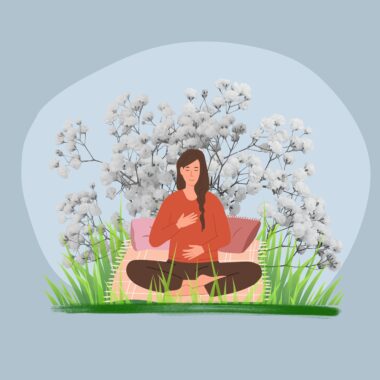
To practice box breathing effectively, begin by finding a comfortable seated position. You can sit cross-legged or in a chair with your feet flat on the ground. Start by closing your eyes gently and taking a few normal breaths to calm your system. After feeling relaxed, prepare to begin your box breathing cycle. Here’s a simple structure to follow: Inhale deeply through your nose for a count of four. Focus on filling your lungs completely and expanding your abdomen. Hold your breath for a count of four, allowing the air to settle in. Next, exhale slowly through your mouth for another count of four, letting go of any tension. Finally, pause for another four counts before starting the cycle anew. Continue this pattern for several minutes. As you practice, concentrate on the sensations of each phase of breathing. This dedication to mindful breathing will enhance your experience and help you connect deeper with your body’s rhythm, leading to a more fulfilling practice.
The Benefits of Box Breathing
Box breathing offers numerous benefits for both mental and physical health. It aids in stress relief by activating the parasympathetic nervous system, which is responsible for relaxation. As you engage in this technique, you decrease levels of cortisol, the hormone linked to stress, leading to a sense of calm. Additionally, box breathing improves focus and concentration, making it an excellent practice for students or professionals needing to enhance their productivity. Research suggests that controlled breathing techniques can also lower blood pressure and improve cardiovascular health, providing direct benefits to your body. Moreover, it can create a moment of pause throughout your day, allowing time for reflection and clarity. Practicing box breathing regularly can improve your mood and emotional regulation, making you more resilient to daily challenges. By integrating this technique into your life, you may also notice enhanced sleep quality due to reduced anxiety and restlessness. Remember that the key to harnessing these benefits is to practice consistently, making it an integral part of your daily routine. As you become an expert, you can adapt the technique to suit personal needs.
Establishing a routine with your box breathing practice can help cement the habit and make it easier to access in moments of stress. Choose specific times that will remind you to practice, like first thing in the morning or just before you go to bed. Setting a timer for five minutes each session can make it easier to implement this technique into a busy schedule. You may also find it useful to log your experiences after each session. Note how you felt before and after practicing box breathing, as this can motivate you to continue. Additionally, you can explore the use of apps designed to guide you through the breathing process, offering visual cues and sounds, minimizing distractions, and optimizing your focus. These resources can enhance your understanding of the technique while tailoring it to your personal preferences. Make sure to be gentle with yourself as you start your journey. Mastery of breathing techniques takes time and patience, so celebrate small victories along the way to keep yourself motivated in the process.
Common Mistakes to Avoid
When beginning your box breathing journey, it is important to be aware of common mistakes that can hinder your progress. One frequent error is attempting to push too hard, leading to feelings of discomfort or anxiety. Instead, maintain a gentle approach, allowing your body to find its natural rhythm. Another mistake is neglecting the pause periods; these pauses are integral to the technique, promoting a complete experience. Inadequate focus on your breath can also limit the effectiveness of the practice. To improve this aspect, concentrate fully on the sensations associated with inhalation and exhalation. Additionally, if you experience dizziness or discomfort, it may be beneficial to shorten your counts to a more manageable level. Ensure your posture is supportive by sitting up straight, as slouching can restrict your lung capacity. Lastly, don’t forget to practice consistently. Skipping sessions may hinder progress and limit your ability to enjoy the benefits of box breathing. By addressing these common pitfalls, you can cultivate a rewarding practice that fosters resilience and enhances overall well-being.
As you advance in your box breathing practice, consider incorporating mindfulness elements for deeper relaxation and awareness. This could include focusing on visualizations or associated mantras that reflect calmness and tranquility. For example, while inhaling, you might visualize a peaceful scene such as a gentle breeze over a calm ocean. This imagery can help deepen your focus, reinforcing both your breath and mindfulness. Practicing box breathing before entering into stressful situations, such as speaking engagements or high-pressure meetings, can preemptively calm your nerves and enhance clarity. You may also explore using this technique alongside other mindfulness practices, including meditation or yoga, for holistic wellness benefits. Experiment with the intensity and timing of your cool-downs after workouts or intense activities, integrating box breathing to aid recovery and deep relaxation. Engaging in group practice can also offer additional motivation and insight from others who are learning. Thus, sharing experiences may enrich your understanding and commitment towards mastering box breathing as a foundational technique in your self-care toolbox.
Conclusion
In conclusion, box breathing is a versatile and practical technique that can benefit anyone, from beginners to seasoned practitioners. By implementing box breathing into your daily routine, you will cultivate a greater sense of awareness and control over your breath, consequently improving overall well-being. This practice is not only effective in managing stress but also enhances focus, emotional balance, and physical health. Remember that everyone’s experience with breathing techniques is unique, so it is essential to tailor your practice to suit your individual needs and preferences. Embrace the journey of self-care and self-discovery that box breathing offers you and explore the profound impact it can have on your mental and physical health. You may find this technique serves as a cornerstone for additional practices like mindfulness and meditation. Share your insights with others to foster a supportive community focused on wellness. Together, we can elevate our practices to ensure that individuals looking for effective stress management strategies are empowered to find peace within themselves and navigate the challenges of daily life with greater assurance.